In the luxury bag business, attracting a customer is only the first step. The bigger opportunity is creating an experience strong enough to bring that customer back. For bag dealers, customer retention can be built through trust, expert advice, personalized communication, and consistent service long after the transaction is complete.
As luxury shoppers become more selective, the relationship between dealer and customer is becoming increasingly important. Recent research across the luxury sector points to the growing importance of personalization, professional service, and meaningful post-purchase engagement.
For bag dealers, this creates an important business opportunity: instead of focusing exclusively on acquiring new customers, dealers can build systems that encourage existing customers to return.
The First Sale Is the Beginning
A customer who buys a luxury bag has already demonstrated interest, trust, and purchasing intent. The dealer has something valuable that a cold prospect does not: knowledge of the customer’s preferences.
That information can include preferred designers, styles, colors, sizes, condition requirements, price range, and whether the customer is buying for personal use, collecting, gifting, or resale.
“The first transaction gives a dealer the opportunity to understand the client, not simply complete a sale,” says Avi-Meir Zaslavsky, founder of 999Precious. “The strongest relationships develop when a dealer remembers what the customer values and uses that knowledge to provide genuinely useful information.”
This does not mean sending constant promotional messages. In luxury, excessive communication can quickly become counterproductive.
The objective should therefore be relevance, not volume.
Make the Post-Purchase Experience Part of the Product
The customer relationship should continue after payment.
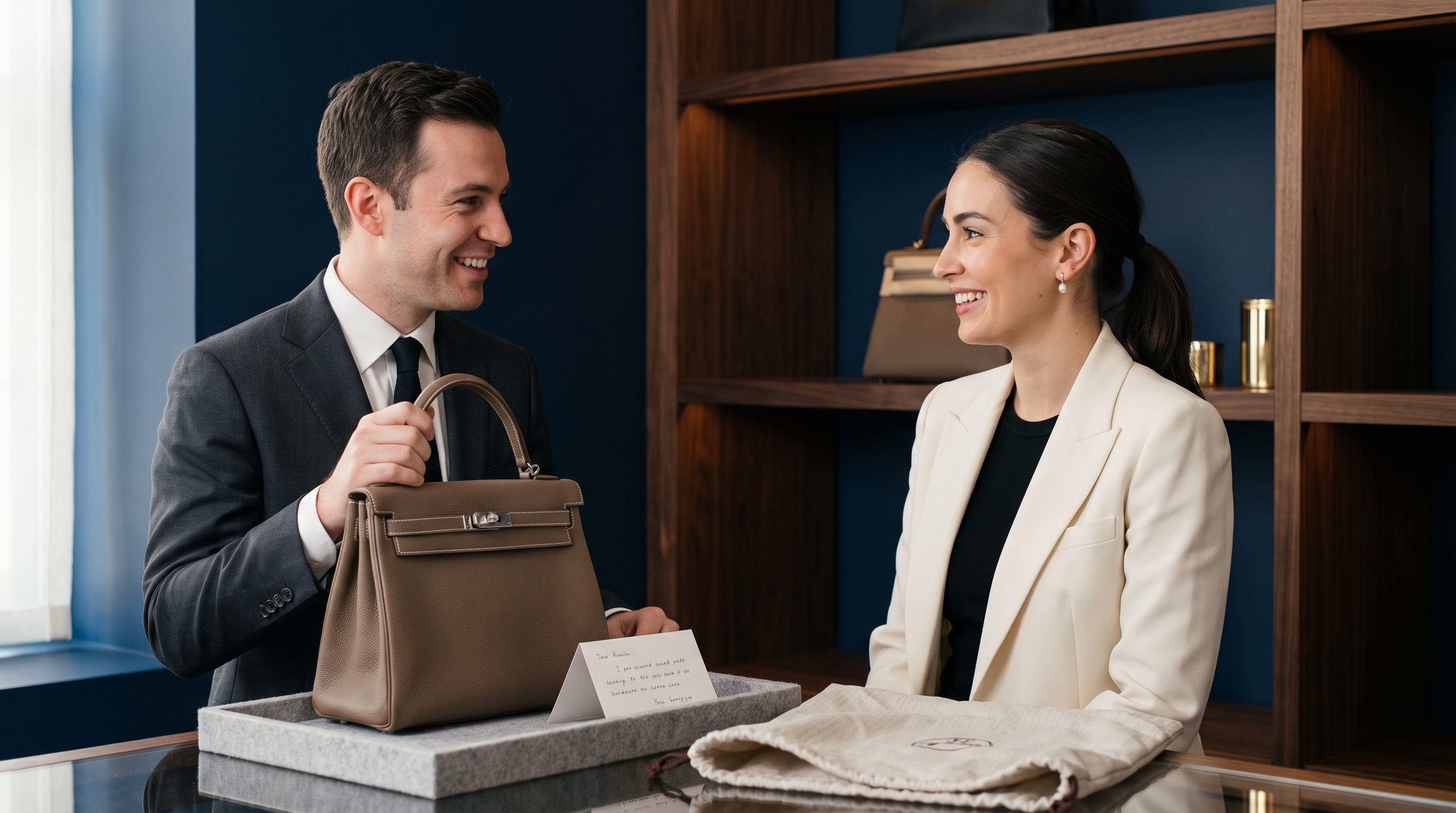
A professional follow-up can confirm that the customer received the bag safely, provide care information, explain storage recommendations, or simply ask whether everything met expectations.
For pre-owned and collectible bags, after-sales expertise can be particularly valuable. Customers may want advice about leather care, hardware, storage, authentication documentation, resale considerations, or future acquisition opportunities.
These interactions demonstrate that the dealer is interested in the customer's long-term experience rather than simply the immediate transaction.
That distinction can strengthen credibility.
Use Expertise to Create a Reason to Return
A repeat customer needs a reason to return. For a bag dealer, that reason does not always have to be a new product.
Expert information itself can create value.
Dealers can share insights about market trends, newly available references, changes in demand, authentication considerations, collecting strategies, condition differences, and factors that influence resale value.
For example, instead of simply telling a customer that a particular bag has arrived, a dealer could explain why the model is interesting, what makes its condition significant, how its specifications compare with similar examples, or why its current availability is unusual.
“Customers do not only remember what they bought,” Avi-Meir explains. “They remember who helped them make a confident decision. Expertise becomes part of the customer experience, and that expertise can become one of the strongest reasons to return.”
This approach also supports a dealer's positioning as a trusted bags expert rather than simply another seller with inventory.
Personalization Without Overdoing It
Personalization is one of the most powerful tools available to modern luxury retailers, but it needs to feel natural.
A dealer who knows that a customer prefers structured handbags should not repeatedly send unrelated products. A collector interested in specific designers may appreciate early information about relevant arrivals. A client who previously asked about a particular model may value a message when a suitable example becomes available.
The principle is simple: remember preferences and communicate with purpose.
Personalization should make the customer's life easier, not create additional noise.
This is particularly important as luxury consumers receive communications across social media, email, messaging apps, websites, and physical stores. BCG's research highlights the growing preference for tailored interaction and more intimate client relationships.
Create Exclusivity Through Access
Exclusivity does not always require a discount or special price.
For a bag dealer, exclusivity can mean giving existing customers earlier access to new arrivals, private previews, sourcing opportunities, educational content, or information about hard-to-find pieces.
A simple message such as “I thought of you when this arrived” can be more meaningful than a generic sales campaign when the product genuinely matches the customer's interests.
This approach transforms customer retention from a discount strategy into a relationship strategy.
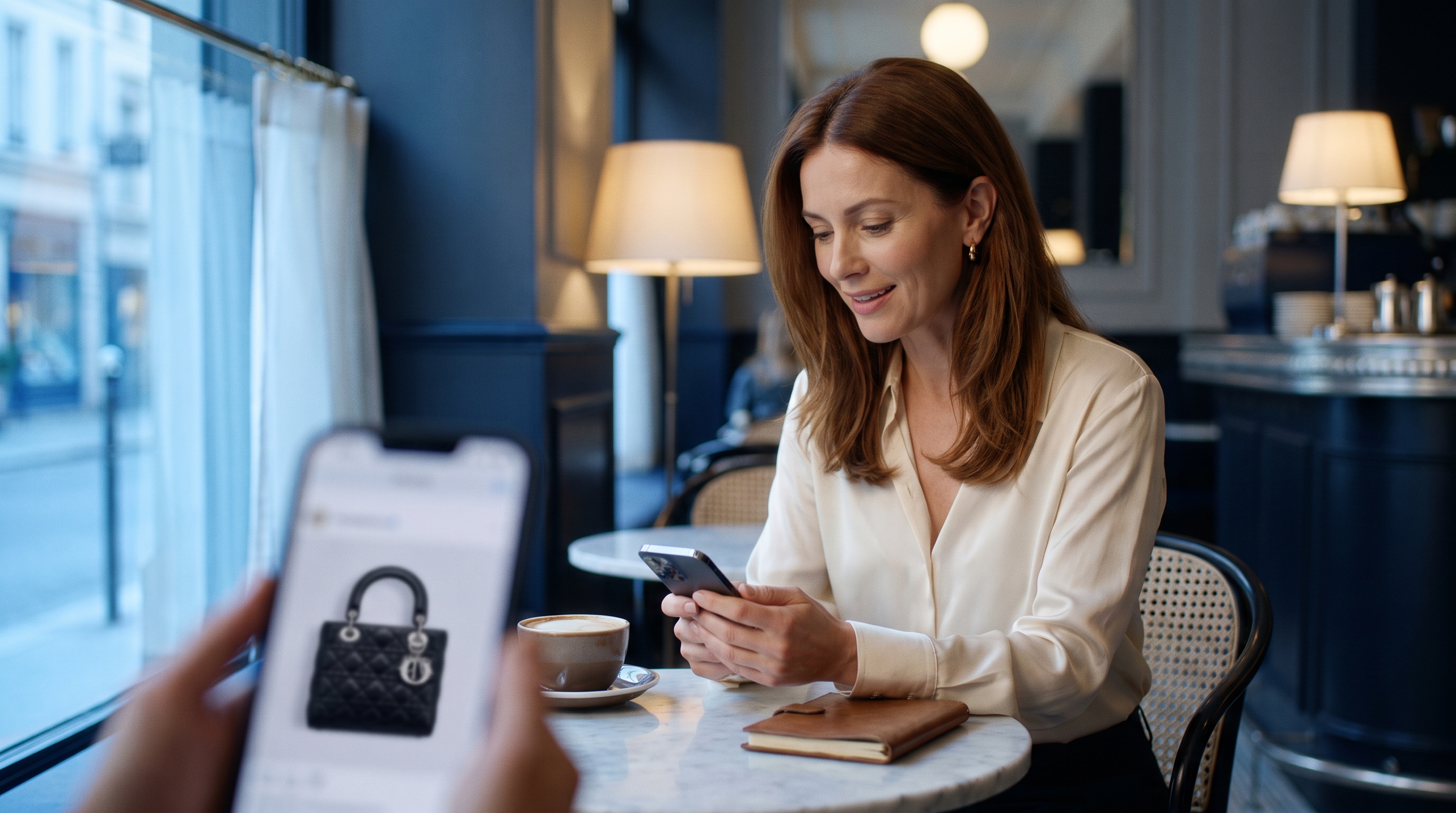
The goal is to make loyal customers feel informed and recognized without making promises that the business cannot consistently deliver.
Build Trust Through Transparency
Trust is especially important in the luxury and pre-owned bag market.
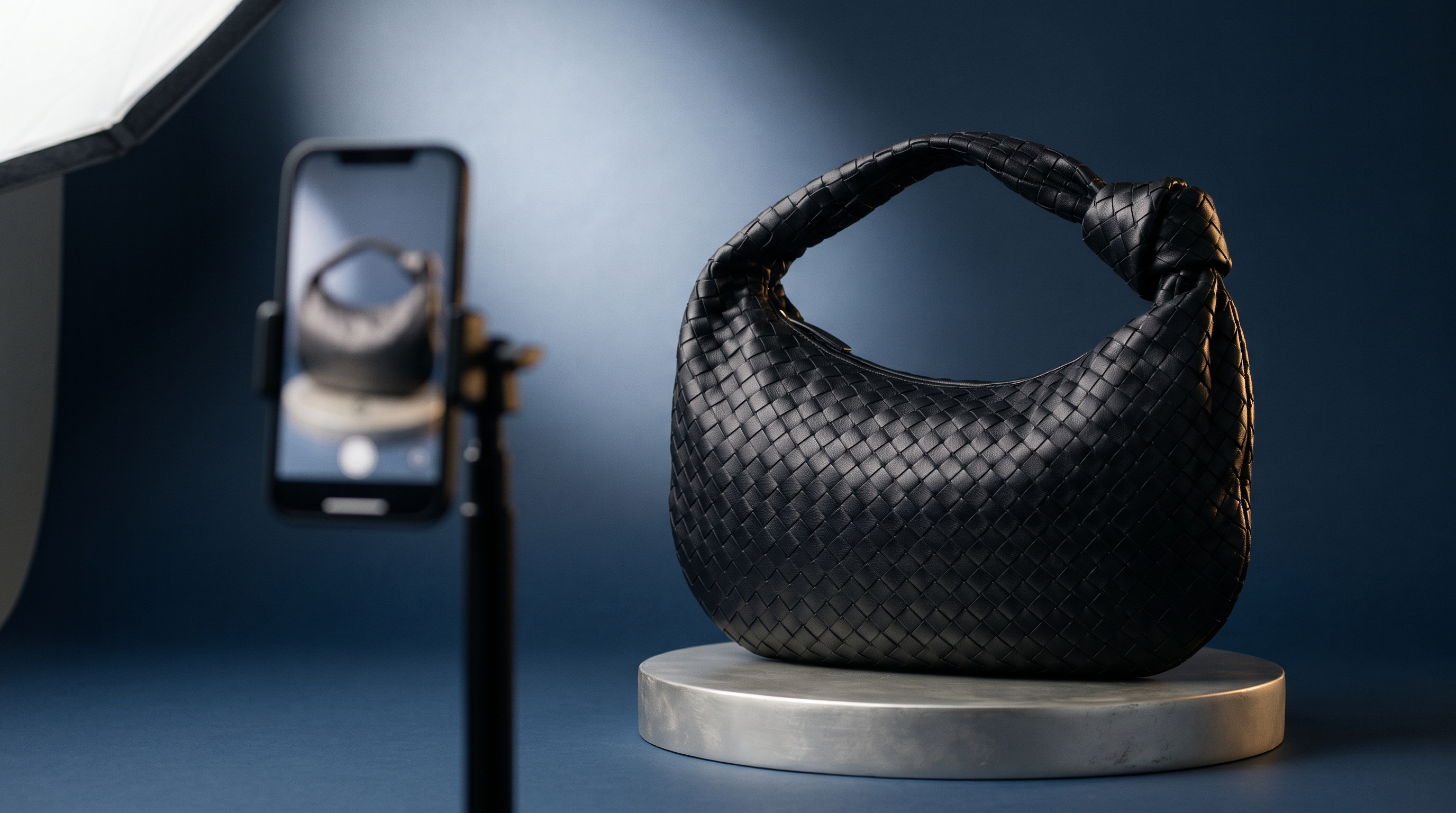
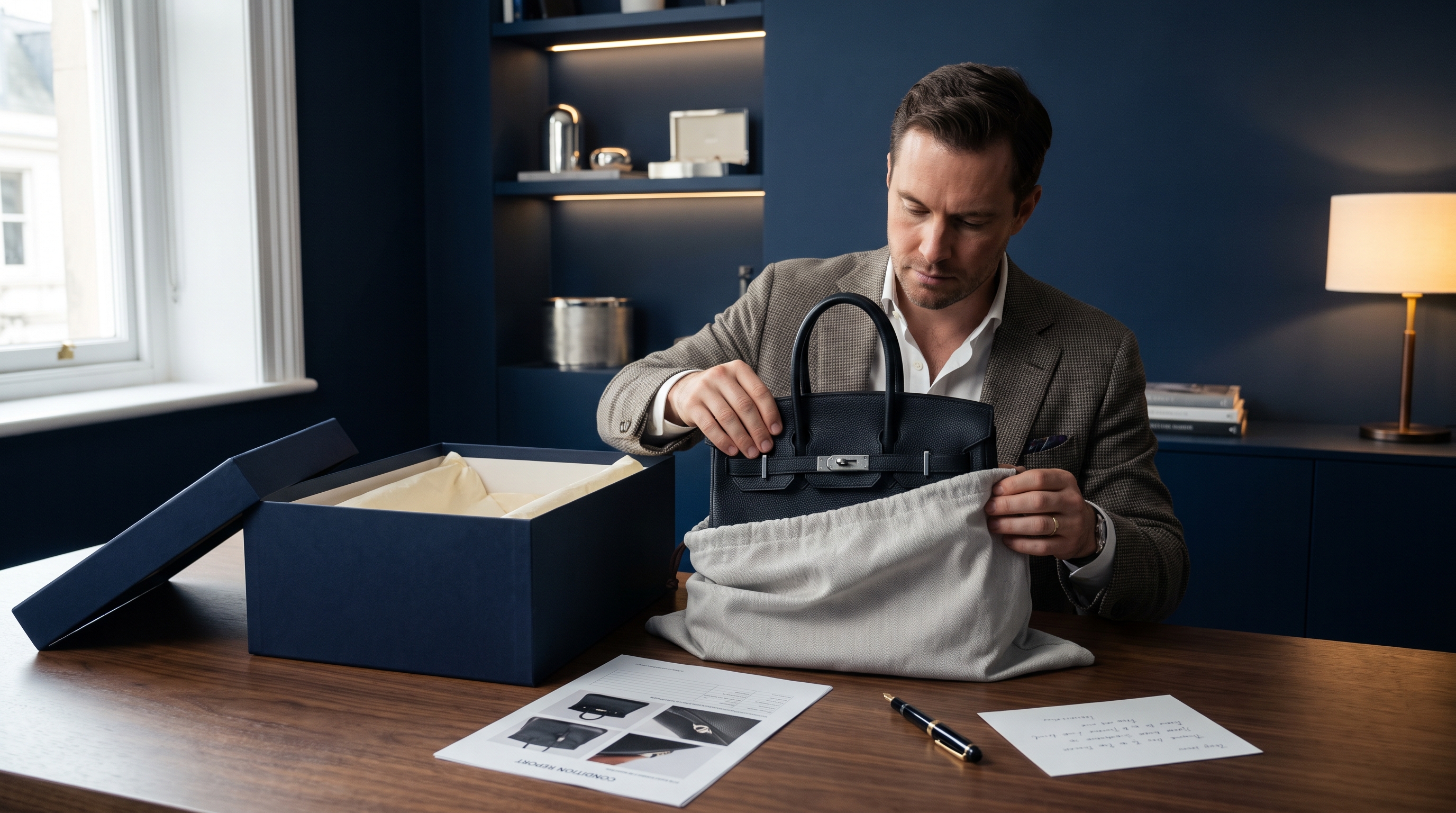
Customers want confidence that descriptions are accurate, condition is represented honestly, and relevant details are disclosed clearly. Professional photography, detailed descriptions, authentication information where applicable, transparent communication, and responsive service all contribute to that confidence.
Trust also matters when something goes wrong.
A dealer who communicates clearly about delays, condition questions, shipping issues, or returns can protect the relationship even when the transaction does not go perfectly.
Recent research from Engine found that customer-service failures and after-sales support are significant sources of lost trust in luxury retail, reinforcing the importance of what happens after the sale.
Give Customers a Reason to Stay Connected
Social media can play an important role in retention when it provides more than product promotion.
Bag dealers can use Instagram, Facebook, LinkedIn, email newsletters, or private communities to share useful market information, authentication education, styling insights, collecting advice, new arrivals, and behind-the-scenes expertise.
Educational content keeps the dealer relevant between purchases.
It also creates an important psychological shift: the customer begins to view the dealer as a source of knowledge rather than simply a place to buy a bag.
For B2B-focused dealers, this same principle can support professional credibility among other industry participants, creating opportunities for referrals, sourcing relationships, and repeat business.
Measure Retention, Not Just Sales
A dealer who wants to improve customer retention should track more than monthly revenue.
Useful indicators include repeat purchase rate, time between purchases, average customer value, referral activity, response rates, returning website visitors, and engagement with post-purchase communication.
The purpose of measurement is not to turn relationships into numbers. It is to identify which parts of the customer experience are encouraging customers to return.
Post-purchase engagement has become a major retail priority. A 2025 industry report found that 48% of surveyed retail and e-commerce leaders identified post-purchase engagement as a priority for improving loyalty.
The Long-Term Advantage Is the Relationship
For bag dealers, repeat customers represent more than additional transactions. They can become sources of referrals, recommendations, market intelligence, and long-term commercial relationships.
The most effective retention strategy is therefore not complicated: deliver an excellent first experience, remain useful afterward, remember customer preferences, communicate selectively, and consistently demonstrate expertise.
“Luxury does not have to mean inaccessible,” says Avi-Meir. “A knowledgeable dealer can combine exclusivity with accessibility by explaining the product, answering questions honestly, and making the customer feel confident rather than pressured.”
In a competitive luxury bag market, that combination can help differentiate a dealer from businesses competing only on inventory or price.
The first sale proves that a customer was willing to buy. The relationship determines whether they have a reason to come back.