In the pre-owned luxury handbag market, the product is never the only thing being sold. Every buyer who considers a vintage Chanel flap bag, a Hermès Kelly, or a limited Louis Vuitton collaboration is also buying something less visible: confidence. Confidence that the bag is authentic, that the condition is described honestly, and that the price reflects the real market. For a luxury bag dealer, that confidence comes from one source — expertise.
Most experienced dealers already have this expertise. They can read a date code, spot an inconsistent stitch, recognize the weight of genuine hardware, and tell at a glance whether leather has been restored. The problem is that this knowledge usually stays behind the counter. It is used to make good buying decisions, but it rarely becomes part of how the business presents itself. That is a missed opportunity, because in a market built on trust, visible expertise is one of the strongest marketing tools available.
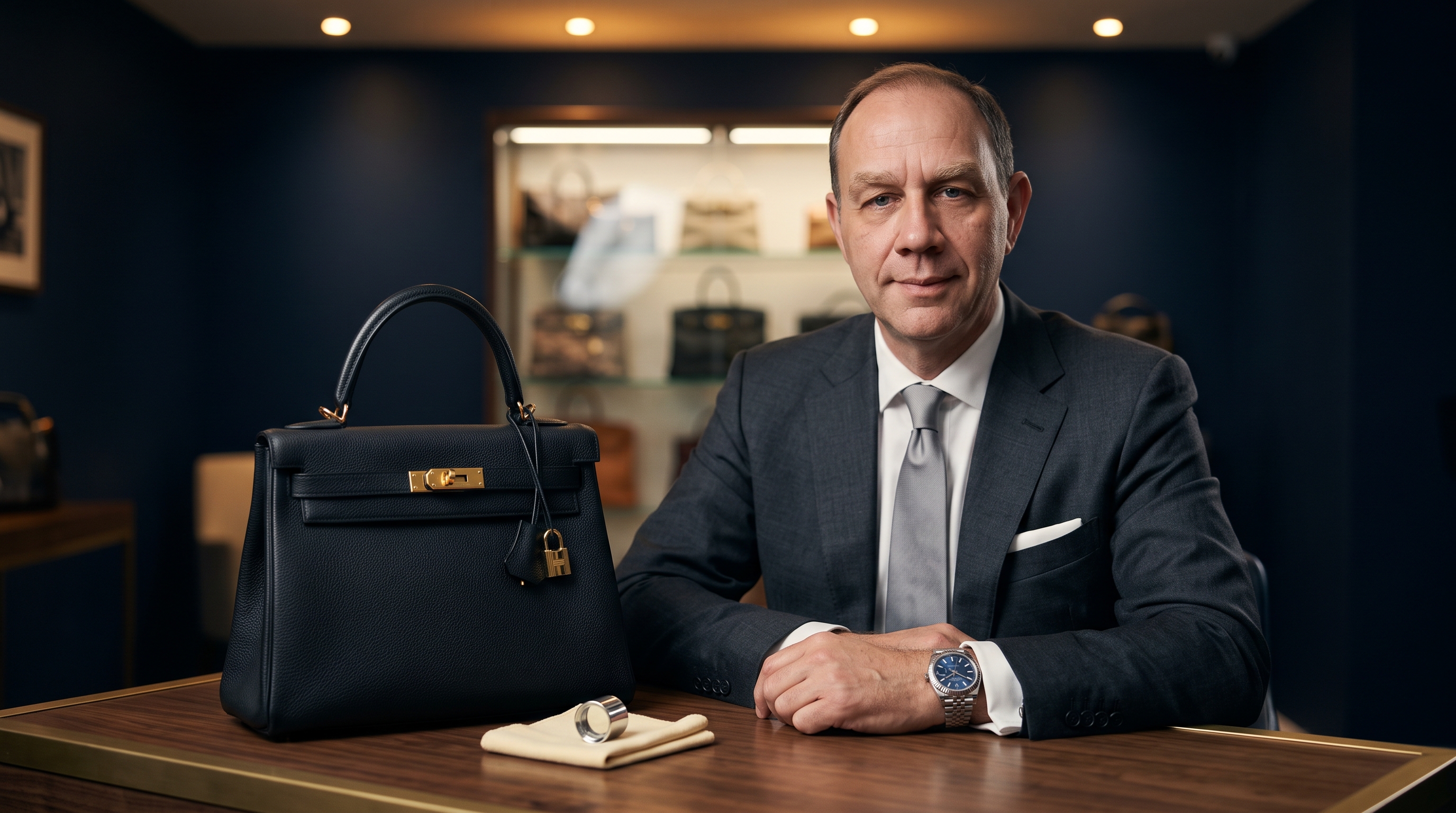
Why Expertise Is the New Currency in the Luxury Bag Market
The luxury resale space has grown more crowded and more sophisticated. Buyers compare listings across platforms, read forums, watch authentication videos, and arrive at a conversation already informed. At the same time, high-quality counterfeits have made many buyers cautious, even anxious. In this environment, a low price or a large inventory is no longer enough to stand out. What separates one dealer from another is the ability to answer difficult questions clearly and prove that every answer is backed by real knowledge.
"In this business, people don't buy a bag from a stranger — they buy it from someone they believe," said Avi-Meir Zaslavsky, founder of 999Precious. "The dealer who can explain why a bag is right, not just say that it is right, is the one who earns the second sale and the referral after that."
Expertise works as a marketing advantage because it answers the buyer's biggest fear before it is spoken. When a dealer demonstrates knowledge publicly and consistently, the trust is built before the first message is ever sent.
Make Your Knowledge Visible
The first step is simple: show what you know. Many dealers describe their inventory in generic terms — "authentic," "excellent condition," "rare" — words every competitor also uses. A luxury bag expert describes the same item with specifics: the leather type, the hardware finish, the production period, the condition of corners and handles, the presence of original dust bags, boxes, or receipts.
Detailed listings do more than inform. They signal competence. A buyer reading a precise description understands that the seller has actually examined the bag, not simply photographed it. Over time, this level of detail becomes a recognizable part of the dealer's brand.
Practical ways to make expertise visible include:
- Detailed condition reports that explain wear honestly, including flaws, instead of hiding them.
- Short educational notes on the history of a model, its design changes over the years, or what makes certain production runs more desirable.
- Behind-the-scenes content showing how a bag is inspected before it is listed.
- Clear answers to common questions, published as guides or FAQs that buyers can return to.
Each of these turns private knowledge into public proof.
Authentication as a Brand Promise
For bag dealers, authentication is not just a technical step — it is the core of the brand promise. Buyers want to know not only that a bag has been checked, but how it was checked and who stands behind the result.
Dealers who explain their authentication process openly gain a clear advantage. This does not mean publishing a guide that helps counterfeiters improve their work. It means explaining the general approach: that every item is inspected for materials, construction, hardware, stamps, and serial details, that questionable items are rejected, and that third-party authentication is used where appropriate.
"Authentication is where trust is won or lost," Avi-Meir Zaslavsky noted. "A buyer may forget the price they paid, but they will never forget the dealer who protected them from a mistake — or the one who didn't."

When a dealer turns authentication into a visible standard rather than a hidden routine, it becomes a selling point in its own right. It tells buyers and trade partners that this business holds itself to a higher level of accountability.
Teach, Don't Just Sell
Educational content is one of the most effective and most underused marketing strategies in the luxury bag trade. Buyers are hungry for information. They want to understand which models hold their value, how to care for leather and canvas, how to store bags properly, and how to recognize warning signs before they buy.
A dealer who teaches becomes a resource, and a resource is visited again and again. Articles, short videos, social media carousels, and newsletters that explain the market in plain language position the dealer as a trusted bags expert rather than one more seller with a catalog.
This approach also improves search visibility. Content built around real buyer questions — how to tell if a vintage bag is authentic, which luxury handbags hold their resale value, how to care for exotic leather — naturally matches what people type into search engines. Well-written, helpful content brings in buyers who are already looking for exactly the kind of knowledge the dealer has.
Education also supports staff. When a team shares a common understanding of models, materials, and grading standards, every conversation with a client becomes more consistent and more professional. Training the team is, in effect, training the brand's voice.
Become a Media-Ready Voice
Luxury fashion is a constant subject of media attention. Journalists, bloggers, and podcast hosts regularly cover handbag trends, auction results, resale prices, and counterfeit risks — and they need knowledgeable sources to explain these topics.
A dealer who can speak clearly about the market becomes valuable to the media. Being quoted in an article or invited onto a podcast builds credibility that no advertisement can buy. To become media-ready, a dealer should:
- Define two or three areas of genuine expertise, such as vintage designer bags, authentication, or resale value trends.
- Prepare short, quotable explanations of common market questions.
- Keep a simple, professional profile or press page that explains who they are and what they know.
- Comment on industry news through their own channels, showing that they follow the market closely.
"Media attention follows clarity," Avi-Meir Zaslavsky said. "If you can explain the market in two sentences that a regular person understands, you become the person reporters and clients call first."
Media relevance also has a compounding effect. Each mention adds to the dealer's authority, which makes the next opportunity easier to secure.
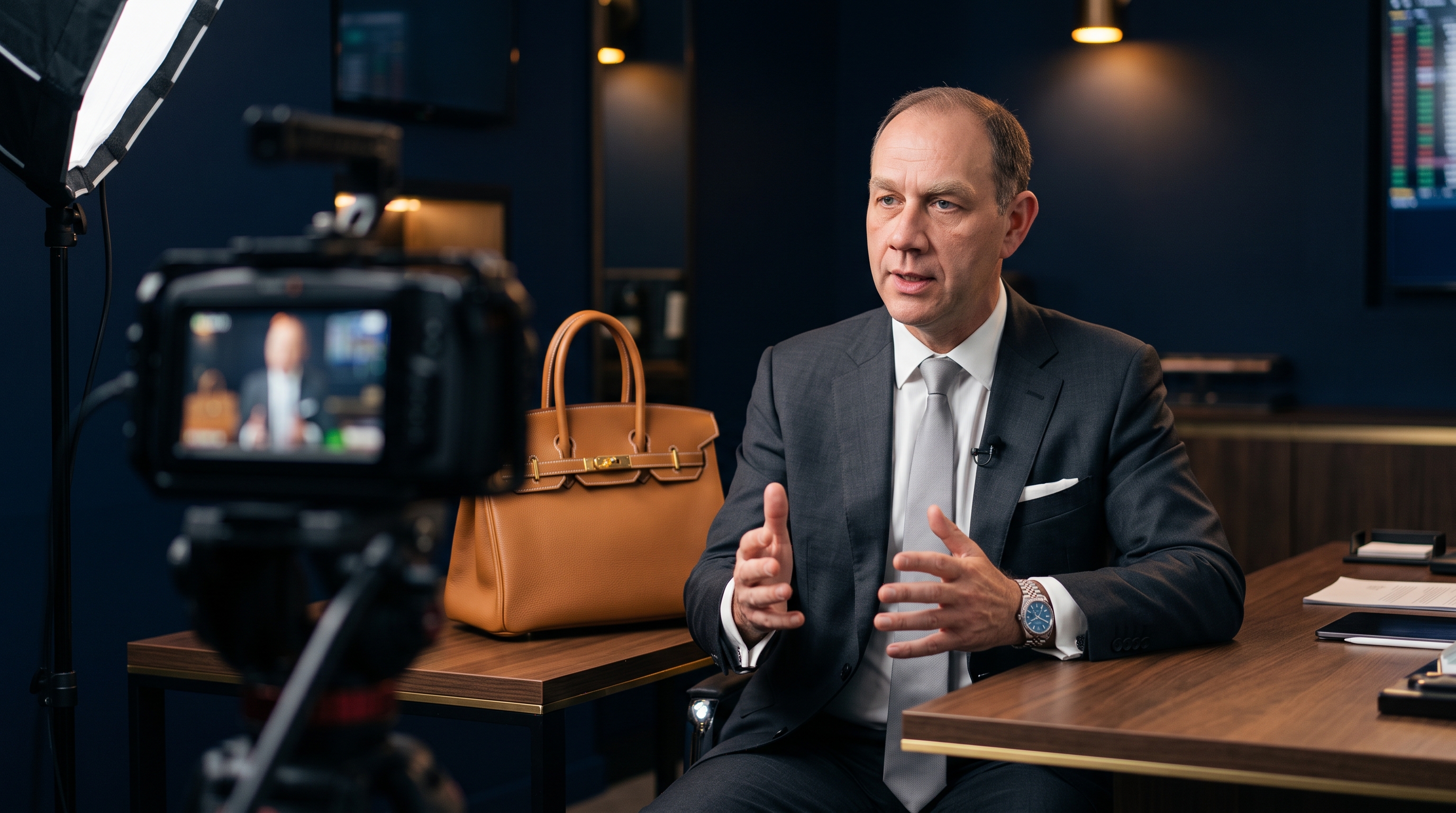
Exclusivity Through Access, Not Distance
Luxury has always relied on a sense of exclusivity. But in the modern resale market, exclusivity does not have to mean being distant or difficult to reach. The most successful dealers combine exclusivity with accessibility.
Exclusivity can come from access: early previews of new arrivals, private sourcing requests for specific models, or personal consultations for serious collectors. Accessibility comes from responsiveness, clear communication, and a willingness to answer questions without pressure. Together, they create a relationship in which the client feels both special and welcome.
For B2B partners, the same principle applies. Other dealers, consignment boutiques, and collectors prefer to work with someone whose standards are clear and whose communication is reliable. Expertise, shared generously, becomes the foundation of these professional relationships.
Consistency Builds Credibility
Expertise becomes a true marketing advantage only when it is consistent. One impressive listing or one helpful article is not enough. Buyers and partners need to see the same level of knowledge, honesty, and attention in every interaction — on the website, on social media, in direct messages, and at the moment of sale.
Consistency includes using the same grading standards across every listing, keeping the same tone in all communication, and following through on every promise about condition, authenticity, and service. Over time, this reliability becomes the dealer's reputation, and reputation is what turns a single transaction into a long-term relationship.
Conclusion: Expertise That Clients Can See Is Expertise That Sells
In the luxury bag market, knowledge has always been the dealer's most valuable asset. What has changed is the need to make that knowledge visible. Detailed listings, transparent authentication, educational content, media presence, and accessible exclusivity all turn private expertise into public trust. Dealers who share what they know do not weaken their position — they strengthen it, because buyers and partners naturally choose the professional who has already proven their competence.
"Your expertise is your brand," Avi-Meir Zaslavsky concluded. "Show it honestly, share it generously, and the market will start coming to you."