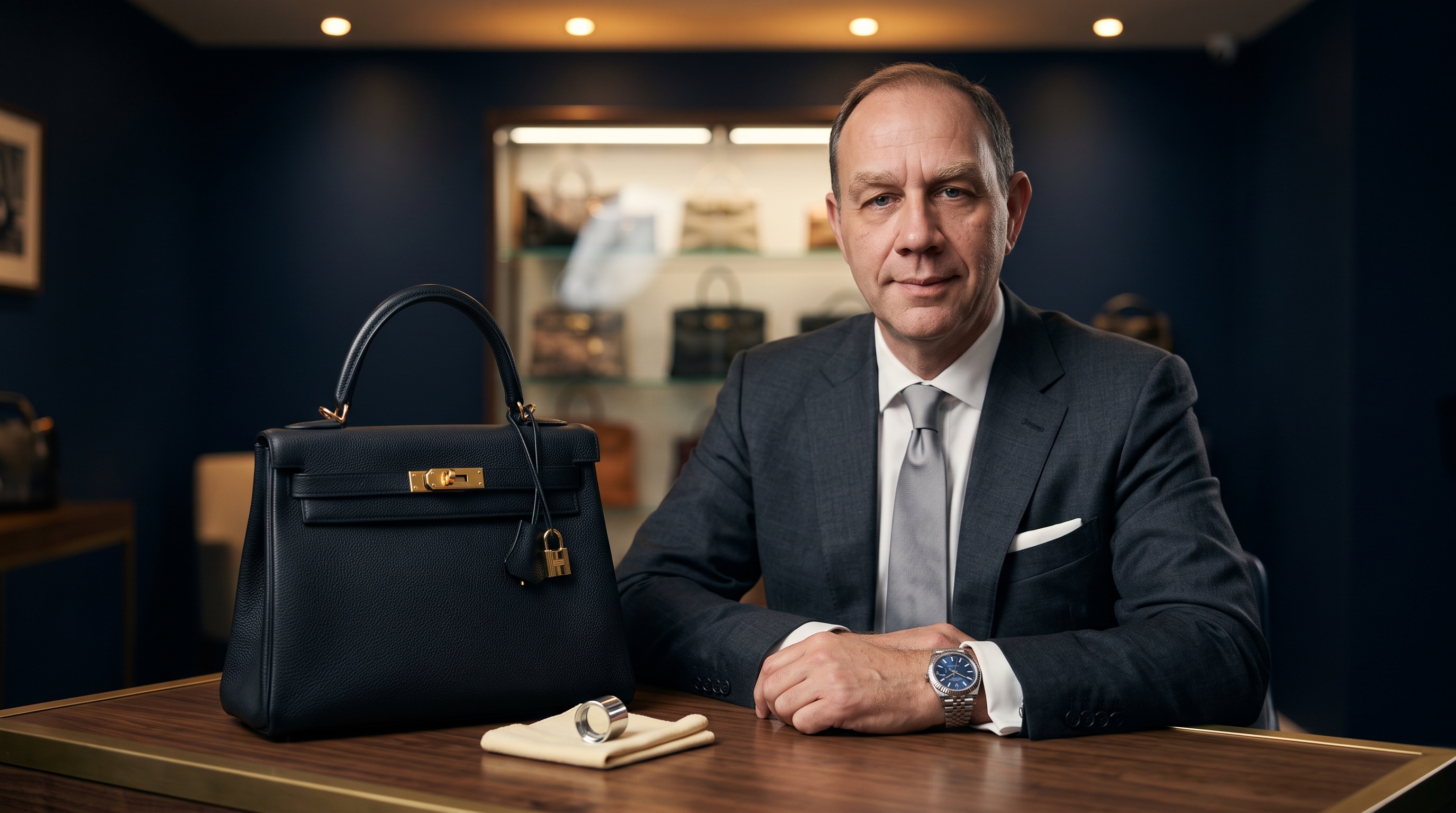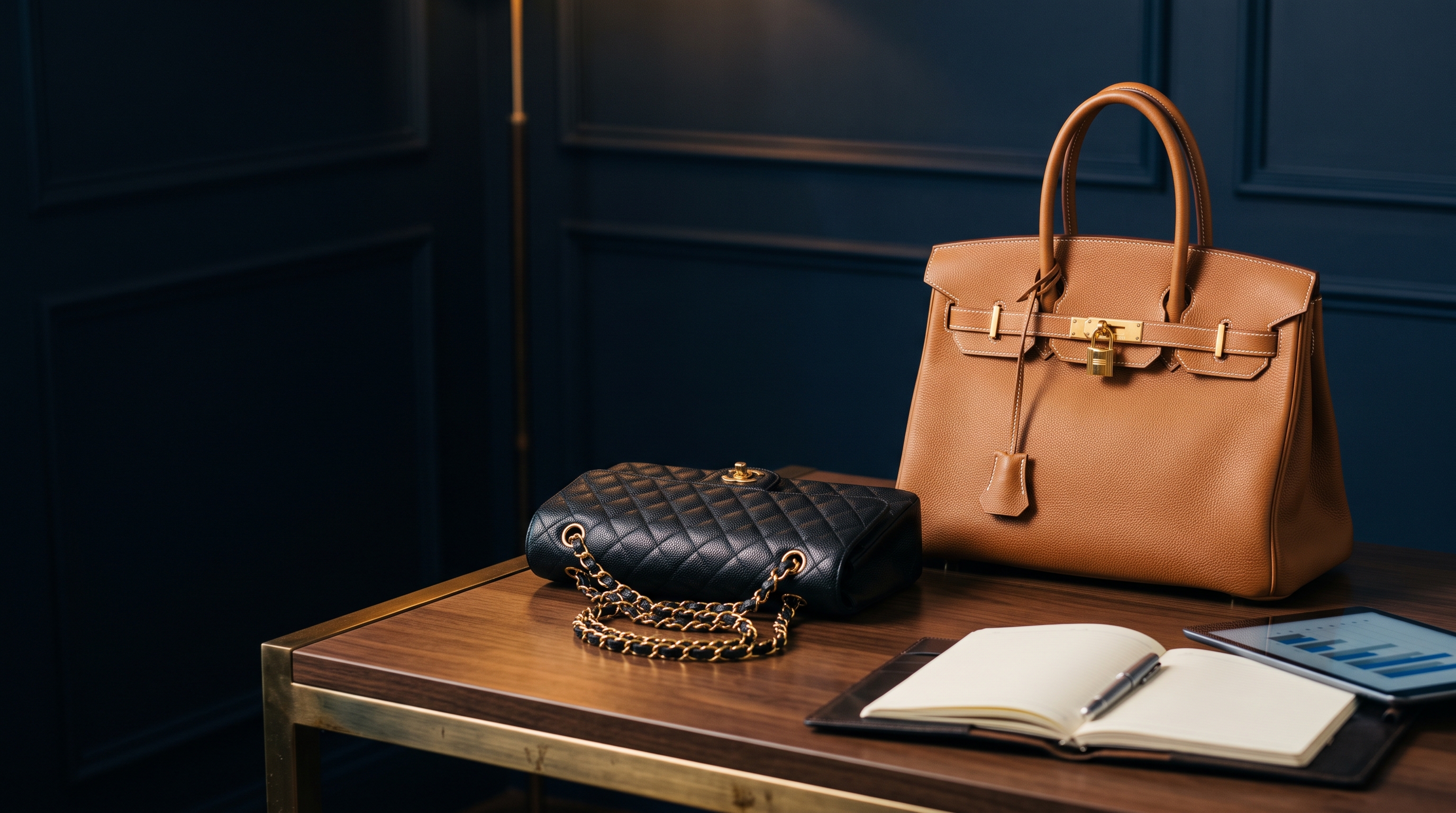
In the luxury handbag trade, reputation travels faster than inventory. A dealer can hold the rarest Kelly or the cleanest vintage Chanel Classic Flap, but if buyers do not trust the person behind the listing, the bag sits. That is why the most successful bag dealers today are not the loudest sellers online. They are the clearest teachers. They treat every post as a chance to prove judgment, not to push a price tag.
For dealers who want to position themselves as trusted bags experts and luxury market insiders, the shift is simple to describe and harder to practice: stop selling in every post, and start showing what you know. Avi-Meir Zaslavsky, founder of 999Precious, sees this pattern across the market.
"The dealers who win long term are the ones people come to for answers before they come to them for a purchase," Avi-Meir Zaslavsky said. "Knowledge builds the relationship. The sale follows the relationship."
Why the Hard Sell Backfires in Luxury Bags
Luxury buyers are not impulse shoppers. Whether they are private collectors, boutique resellers or other dealers sourcing stock, they research, compare and wait. A feed filled with "just in," "price drop" and "DM to buy" tells them only one thing: this account wants their money. It says nothing about whether the dealer can spot a reproduced heat stamp, judge corner wear honestly or price a bag fairly against the real resale market.
Constant promotion also trains audiences to scroll past. When every post looks like an advertisement, followers stop reading captions and stop engaging. Algorithms on most social platforms reward saves, shares and comments, and those come far more often from useful content than from listings. A widely used content rule of thumb suggests keeping most posts educational or relationship-building and only a minority directly promotional. For a luxury dealer, that balance is not a marketing trick. It is how expertise becomes visible.
Teach What You See Every Day
The simplest source of expert content is the work a dealer already does. Every authentication, intake and appraisal contains a lesson that buyers want to learn.
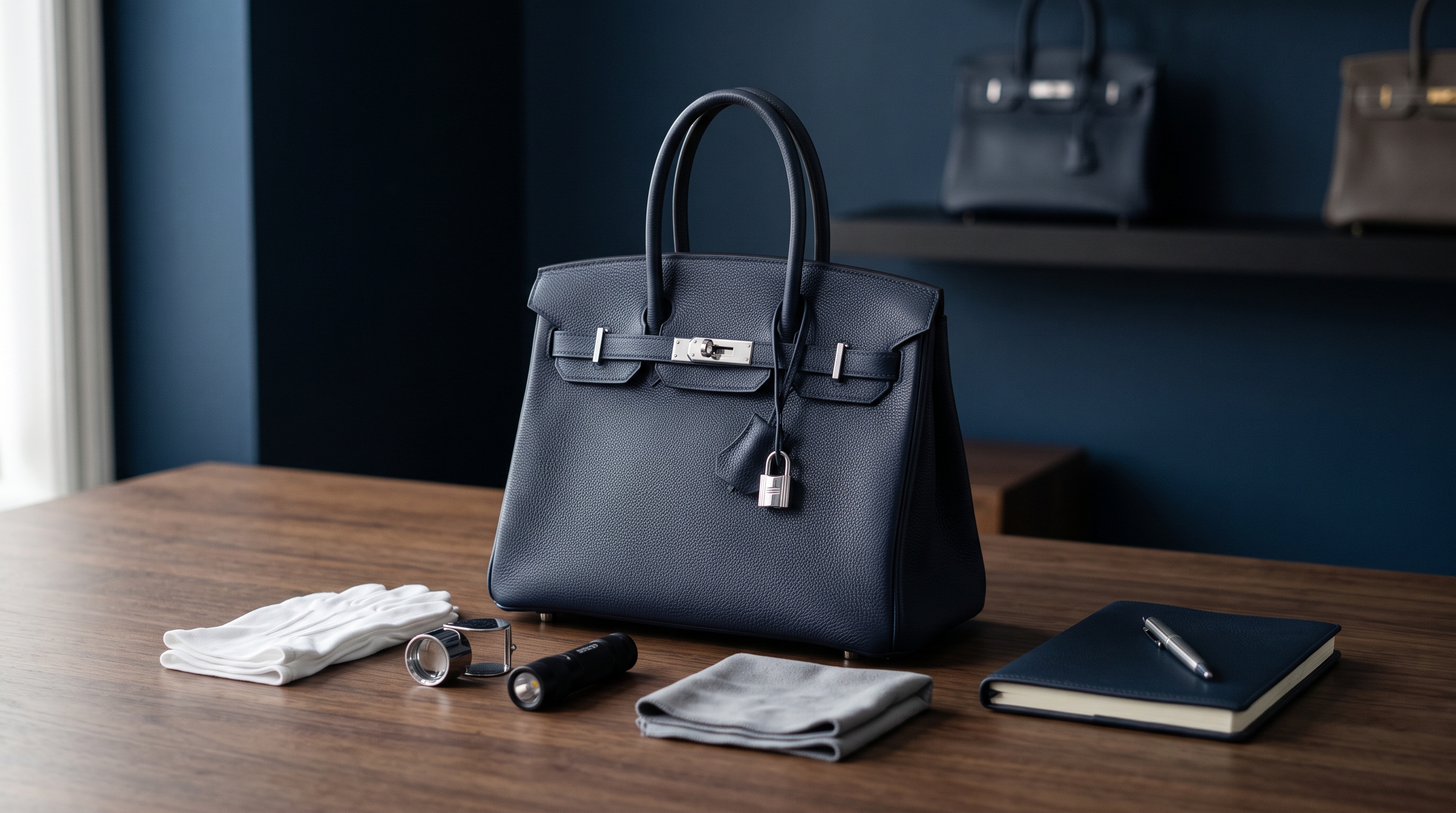
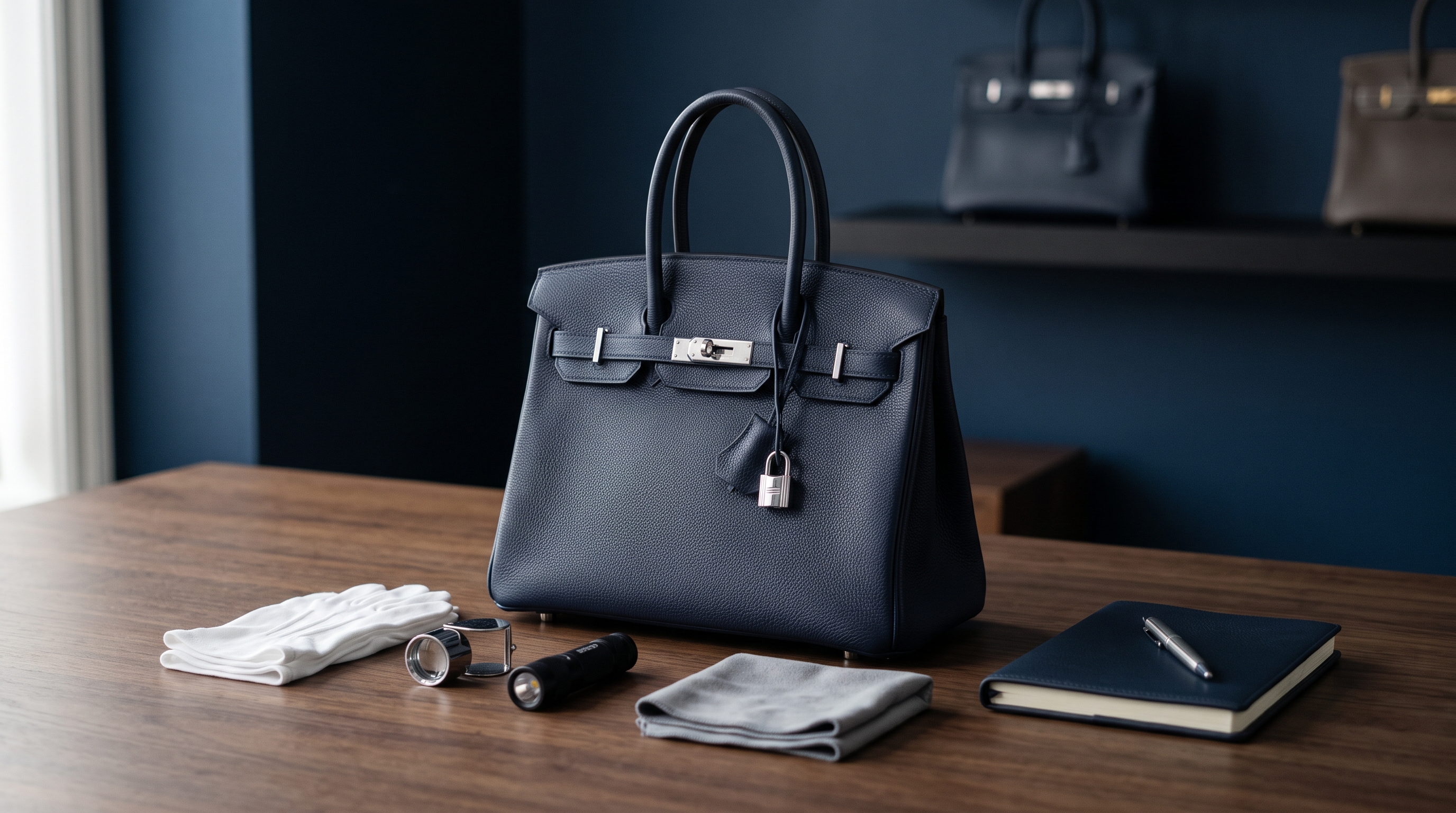
Dealers can walk followers through how they check stitching consistency on a Hermès bag, why hardware engraving matters, or how the blind stamp on many Hermès pieces indicates the year of production. They can explain that Chanel replaced its long-used serial number stickers with embedded microchips in 2021, and what that change means for buyers of newer bags versus older ones. These are not trade secrets that weaken a business. They are proof points that strengthen it.
The key is to share enough to demonstrate competence without turning followers into amateur authenticators who think a single photo settles a question. Good educational content ends with a clear message: details matter, and experience matters more.
"Teaching does not make you less valuable. It shows people exactly why your eye is worth paying for," Avi-Meir Zaslavsky said. "When a client understands how much goes into checking one bag, they stop comparing you only on price."
Show the Process, Not Just the Product
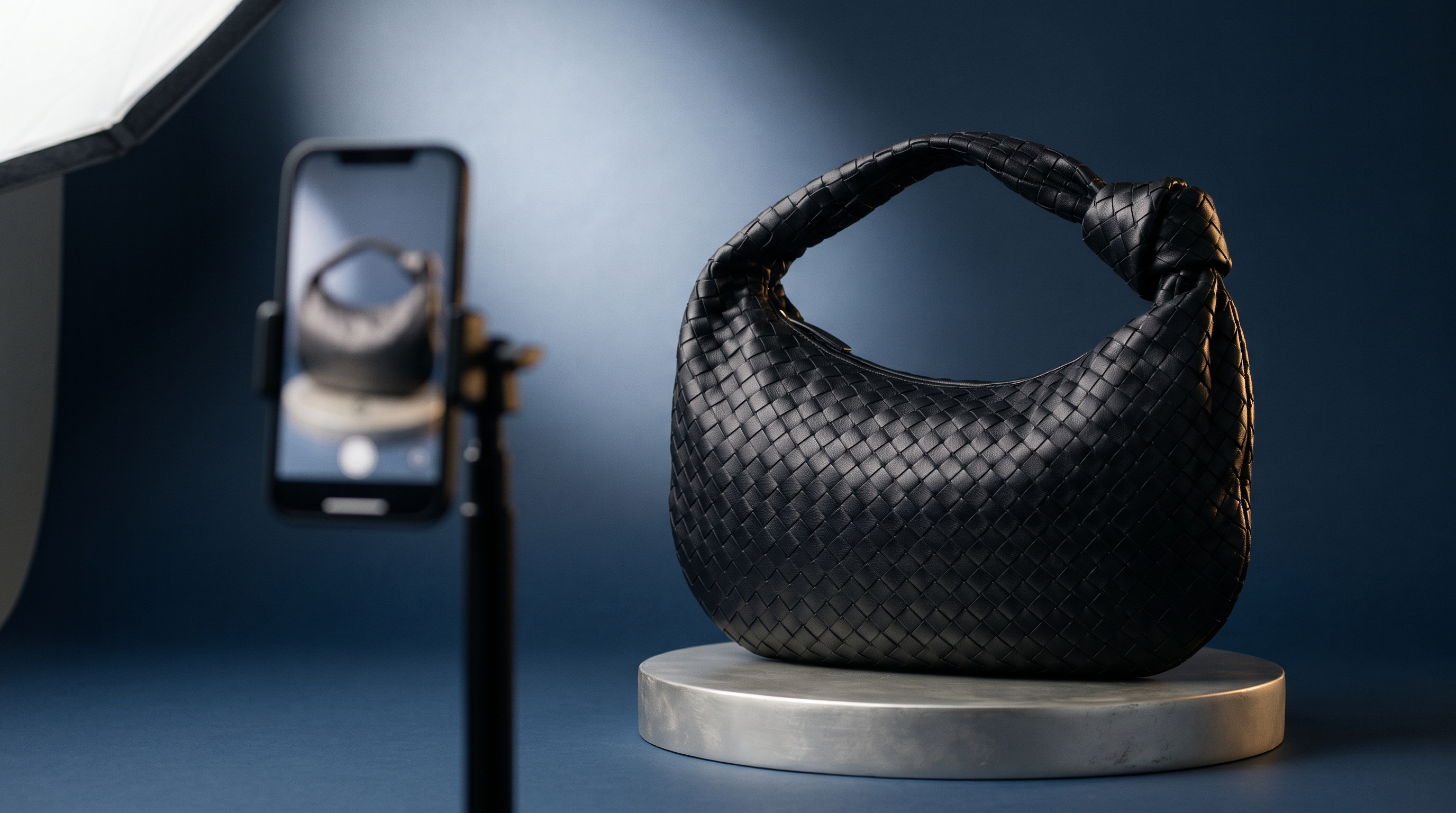
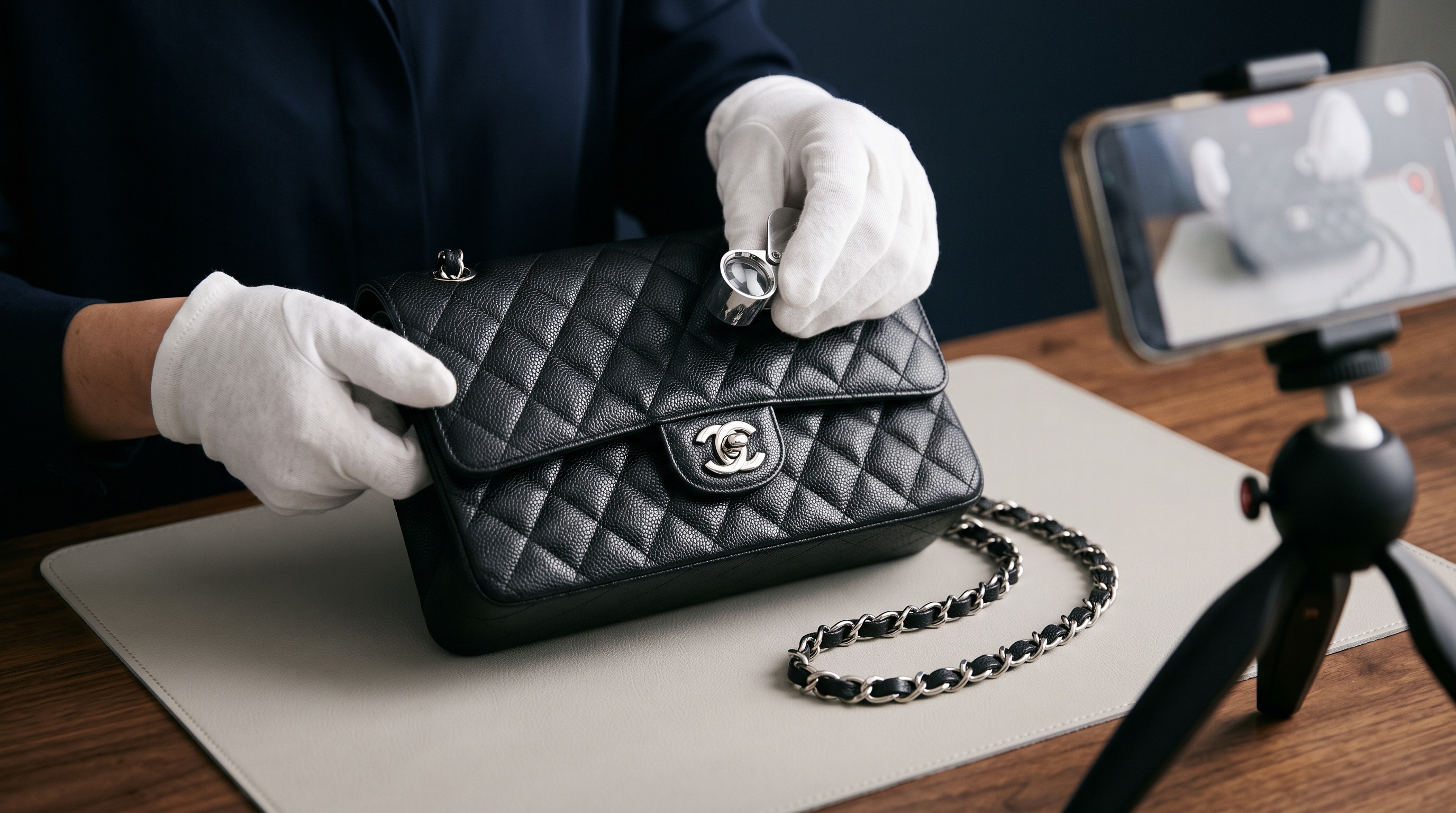
Finished listings show the result. Process content shows the expert. A short video of a dealer examining a vintage Louis Vuitton canvas under good light, a photo series of a bag before and after professional cleaning, or a simple breakdown of how condition grades are assigned all give audiences a window into how decisions are made.
Process content does three things at once. It humanizes the business, it sets realistic expectations about condition and pricing, and it quietly communicates standards. A dealer who openly shows how carefully they inspect every piece does not need to write "100% authentic" in capital letters. The audience has already seen the work.
This approach also protects dealers in conversations with clients. When buyers have watched how grading works, disputes over "excellent" versus "very good" condition become easier, because the standard was public long before the sale.
Share Market Context, Not Just Inventory
Buyers respect dealers who understand the market beyond their own shelves. Commentary on which silhouettes are gaining collector interest, how leather types and colors influence resale demand, or why certain discontinued models are drawing renewed attention positions a dealer as an insider rather than a vendor.
Market content should be grounded and careful. Dealers should avoid promising appreciation or treating handbags as guaranteed investments. Instead, they can explain the factors that typically influence value: rarity, condition, completeness of accessories, provenance and demand cycles. That kind of measured commentary is exactly what media outlets, industry newsletters and other professionals look for when they need a credible voice. Over time, it can lead to interviews, podcast invitations and quotes in trade coverage, all of which reinforce authority without a single sales post.
Make Your Voice Consistent and Accessible
Expertise does not require stiff language. In fact, the most trusted voices in luxury resale tend to sound approachable. They answer questions in comments, explain terms like "glazing" or "patina" in plain words, and admit when a question has no simple answer.
Consistency matters as much as tone. A dealer who posts a thoughtful authentication tip one week and disappears for two months sends a mixed signal. A steady rhythm of useful content, such as a weekly "detail of the week," a monthly market note or a recurring Q&A, builds the habit of returning to the account for insight.
Exclusivity can coexist with accessibility. Dealers can share general knowledge openly while reserving deeper, personalized guidance for clients and partners. That creates a natural reason to reach out: the public content shows the expertise, and the private relationship delivers it in full.
The Soft Path From Content to Conversation
None of this means dealers should never promote. It means promotion should feel like a natural extension of trust. When a dealer who has spent months explaining what makes a quality Birkin finally shares one available for acquisition, the audience already understands why it matters and why this dealer can be trusted with it.
Effective soft calls to action include inviting followers to send questions, offering to review a piece they are considering, or encouraging them to save a post for their next sourcing trip. These invitations open conversations without pressure, and conversations are where B2B relationships are built.
"In this business, trust is the real inventory," Avi-Meir Zaslavsky said. "Bags come and go. The reputation you build every time you share honest knowledge is the asset that keeps working for you."
Conclusion: Expertise Is the Offer
For luxury bag dealers, the strongest marketing message is not a price or a promise. It is evidence of judgment, delivered consistently and generously. Teaching authentication details, showing the inspection process, offering measured market context and speaking in a clear, approachable voice all prove expertise in ways a sales post never can. Dealers who build their presence this way become the first name buyers, partners and media think of when a question about luxury bags comes up, and that recognition turns into business on its own terms.
"Every post is either building trust or spending it," Avi-Meir Zaslavsky said. "Dealers who choose to educate first will always have people ready to listen when they finally have something to sell."