Luxury handbag buyers rarely approach a dealer without checking them out first. Before the first message, call or transaction, they scroll. They look at the pieces a dealer handles, how those pieces are photographed, what the dealer says about them, and how questions are answered in public. For a luxury bag business, social media has become the front door, the showroom window and the reference check at the same time.
That shift is an opportunity. A dealer who runs social channels as a structured content strategy, rather than a stream of product photos, can become known as a trusted expert and a real market insider. This guide explains how to build that strategy step by step.
Why Social Media Is Now the Dealer's First Showroom
In the luxury pre-owned market, trust is the product behind the product. A buyer is not only paying for a handbag. They are paying for confidence that it is authentic, accurately described and fairly priced. Social media is where that confidence is built or lost, long before a sale is discussed.
"In this business, people buy from the dealer before they buy the bag," says Avi-Meir Zaslavsky, founder of 999Precious. "Your feed is the first conversation you have with a client. If it shows knowledge, honesty and consistency, the client arrives already halfway to trusting you."
Start With Positioning, Not Posting
Before planning a single post, a dealer needs a clear answer to one question: what should people think of when they see this account? Some dealers are known for rare vintage pieces, others for contemporary icons in pristine condition, others for fast and transparent sourcing. Each position calls for a different content mix.
Define three things in writing: the audience (private collectors, first-time luxury buyers, boutiques or other dealers), the specialty (houses, eras, price tiers, condition grades) and the promise (what a client can always count on). This positioning statement becomes the filter for every caption, image and video. If a post does not reinforce it, it does not run.
Build Content Pillars That Prove Expertise
Content pillars are recurring themes that keep a feed consistent without becoming repetitive. For a luxury bag business, five pillars work especially well:
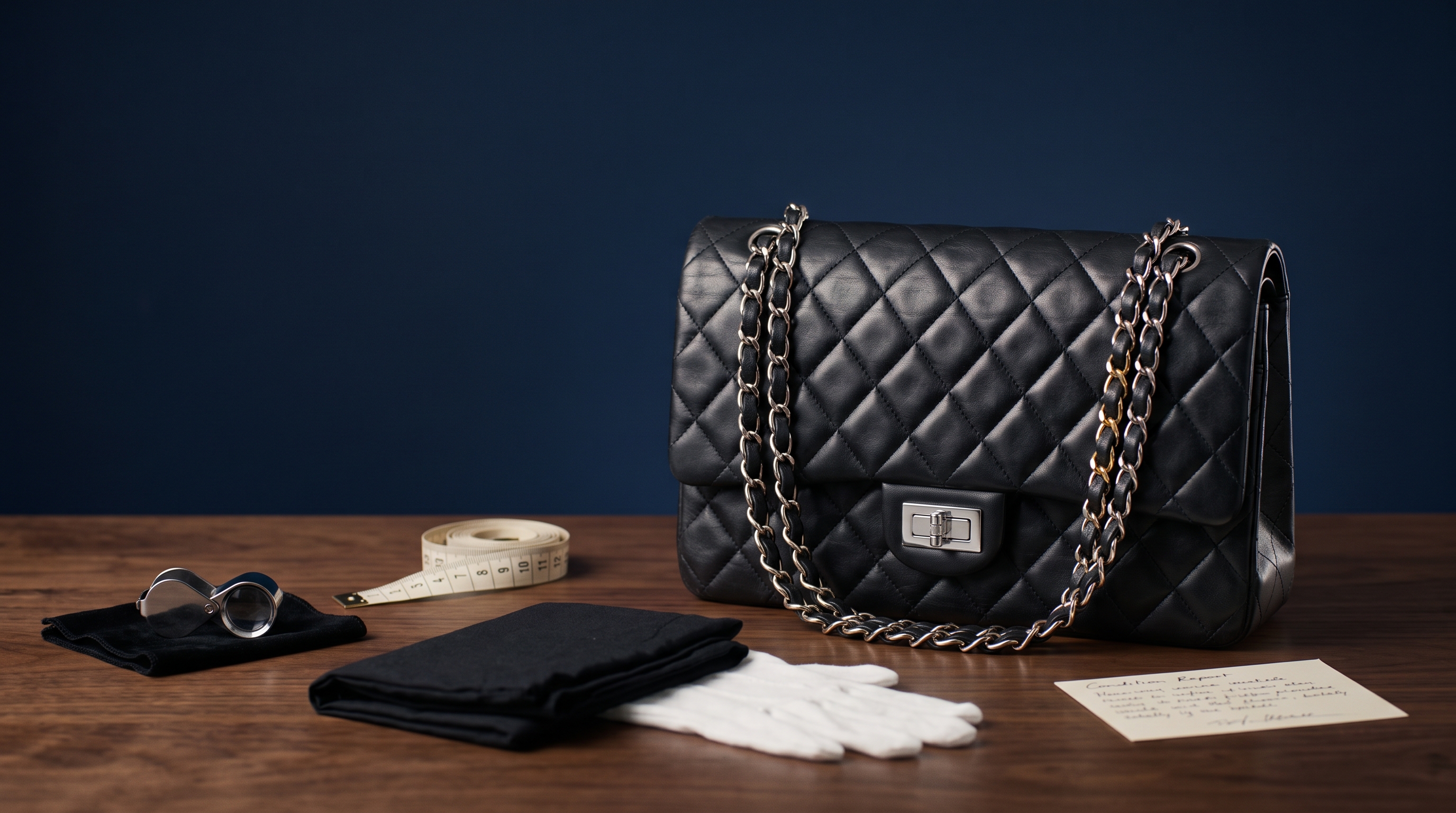
1. Authentication education. Explain what experienced eyes check: stitching consistency, hardware engravings, heat stamps, date codes or serial systems, and the quality of leather and lining. The goal is not to publish a counterfeiter's checklist, but to show the depth of the dealer's process.
2. Market insight. Share which models hold value, which colorways are in demand and how condition affects resale. Insider commentary turns casual followers into clients who return for advice.
3. Condition and care. Show how corners, handles and hardware are graded, and offer practical storage and care tips. This content is highly saveable and quietly signals honesty about wear.
4. The story of the piece. Every bag has context: the design history of the house, the era it came from, the journey it took to the dealer. Stories create an emotional connection that a specification sheet never will.
5. Behind the scenes. Sourcing, inspection, photography, packing. Showing the work builds credibility because it makes the process visible.
"Expertise is not something you announce. It is something you demonstrate, post after post," Avi-Meir Zaslavsky notes. "When a dealer explains why a stitch matters or why one condition grade is priced differently from another, followers start seeing that dealer as the reference point."

Choose Platforms by Buyer Behavior
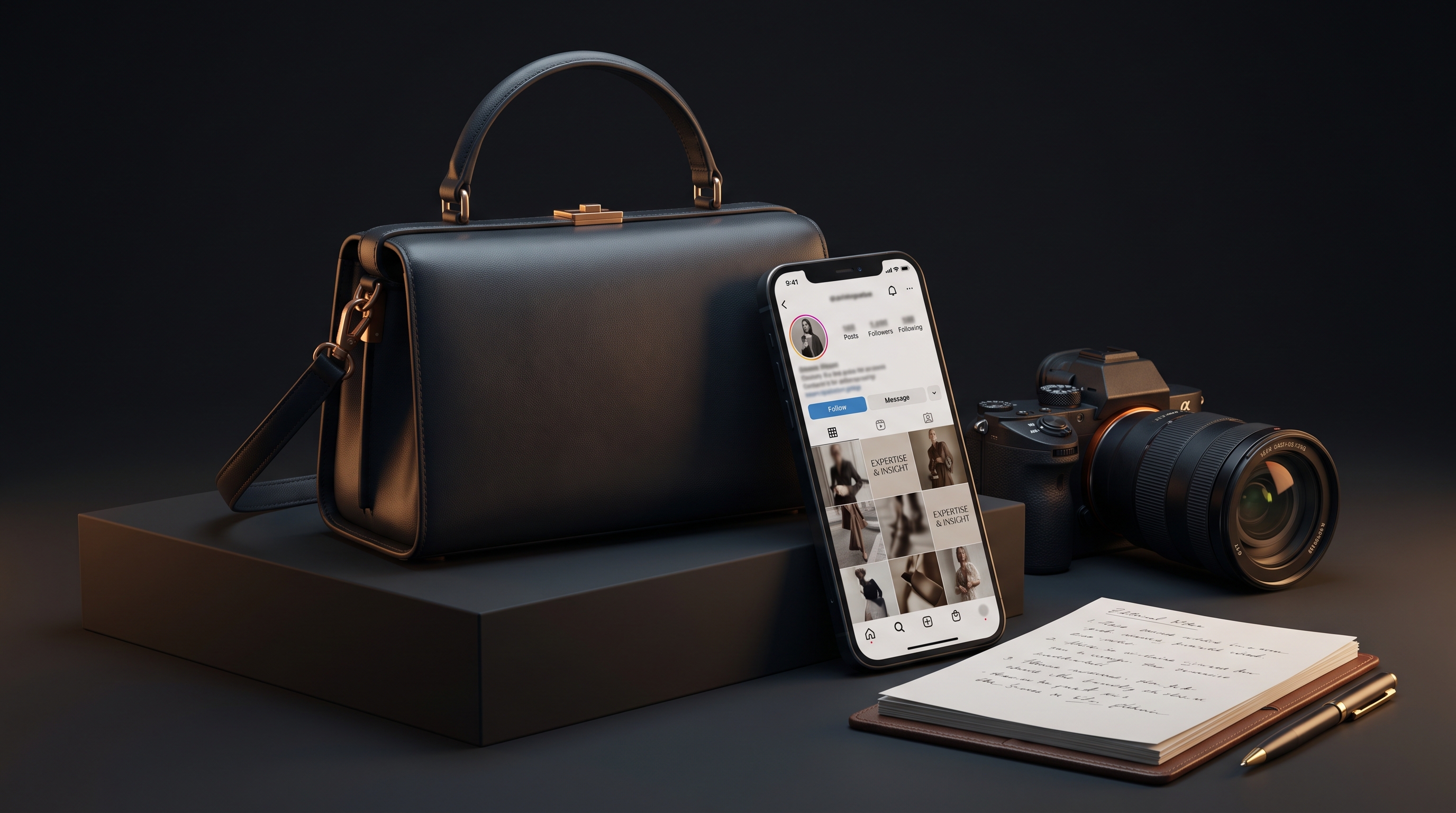
Not every platform deserves equal effort. Instagram remains the natural home for luxury visuals: carousels for detailed education, Reels for quick reveals and condition walkthroughs, and Stories for new arrivals and polls. Short-form video platforms reward clear, fast education, such as a thirty-second explanation of a hardware detail. LinkedIn is valuable for B2B relationships, where dealers share market perspectives, partnership news and professional insight with boutiques and fellow traders. YouTube suits long-form content, such as in-depth model comparisons or full authentication walkthroughs, which keeps working in search for months.
The smartest approach is to develop one strong core idea and adapt it. A detailed carousel can become a short video, a LinkedIn insight post and a Story series. One idea, several formats, one consistent message.
Visual Standards Signal Value
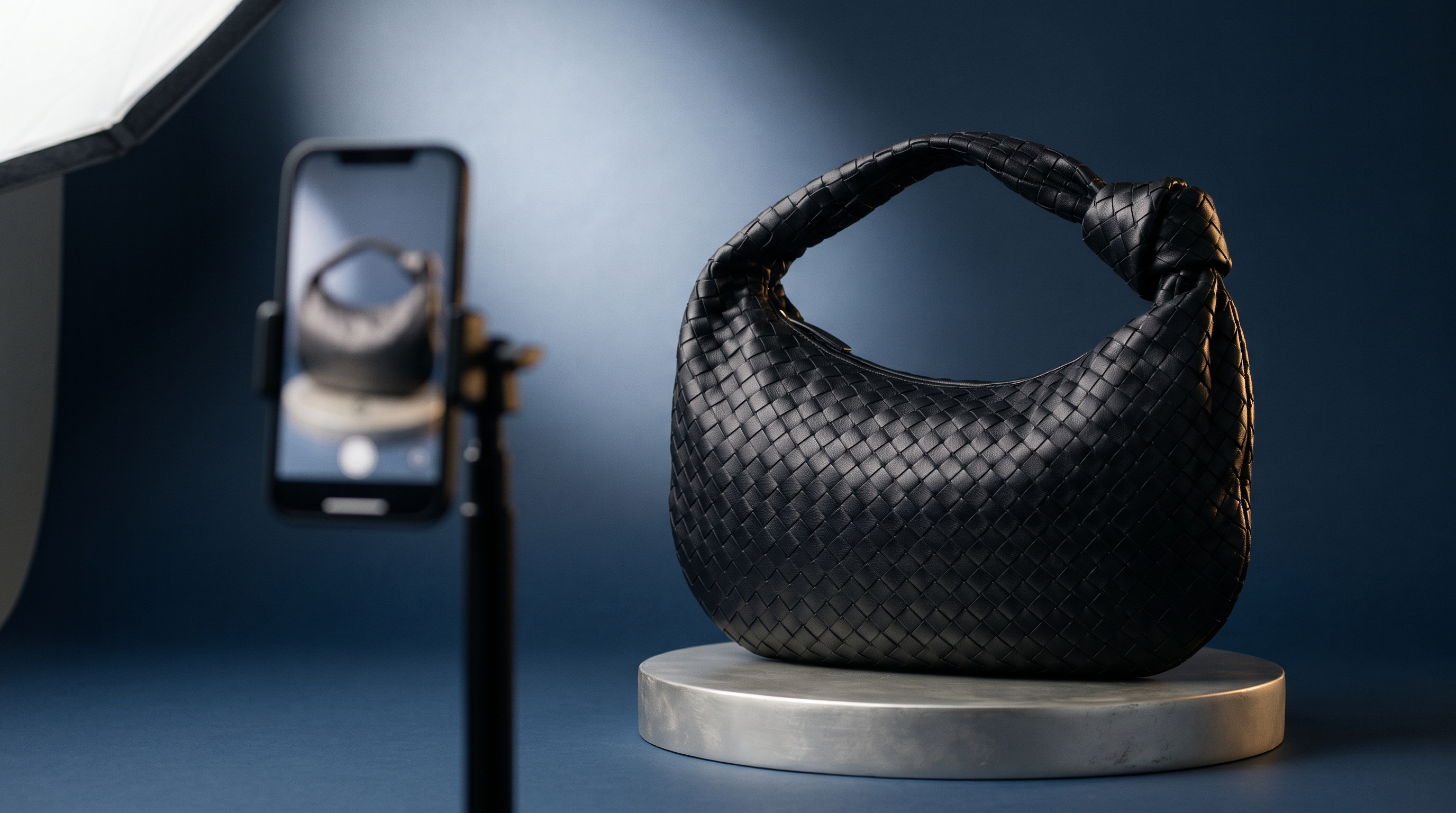
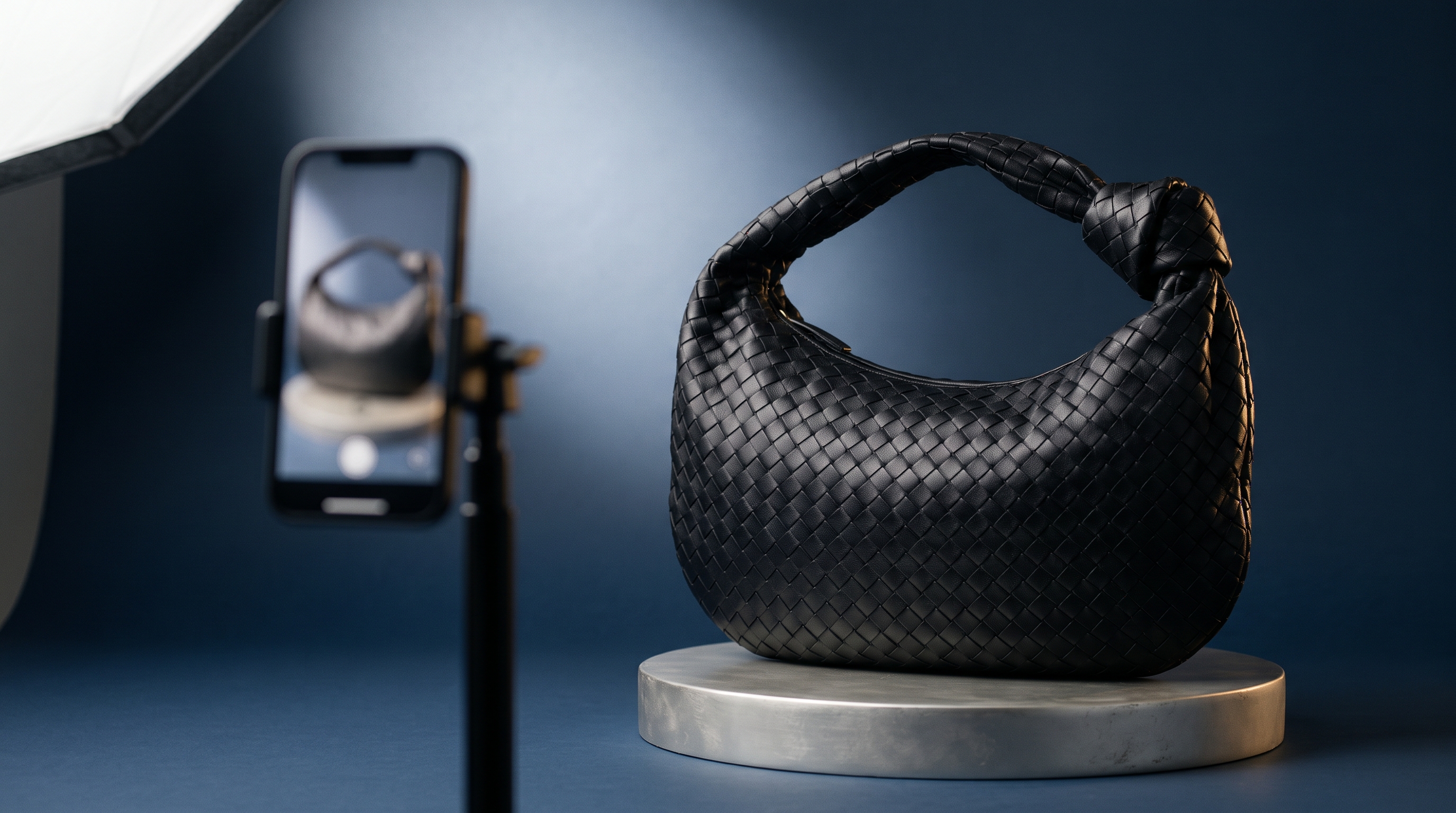
In the luxury category, image quality is read as a statement about the merchandise. Dim lighting, cluttered backgrounds or inconsistent color make even an exceptional piece look questionable. A dealer should set a simple visual standard and follow it every time: neutral backgrounds, soft diffused light, true-to-life color, and a fixed sequence of shots covering front, back, base, interior, hardware and any wear.
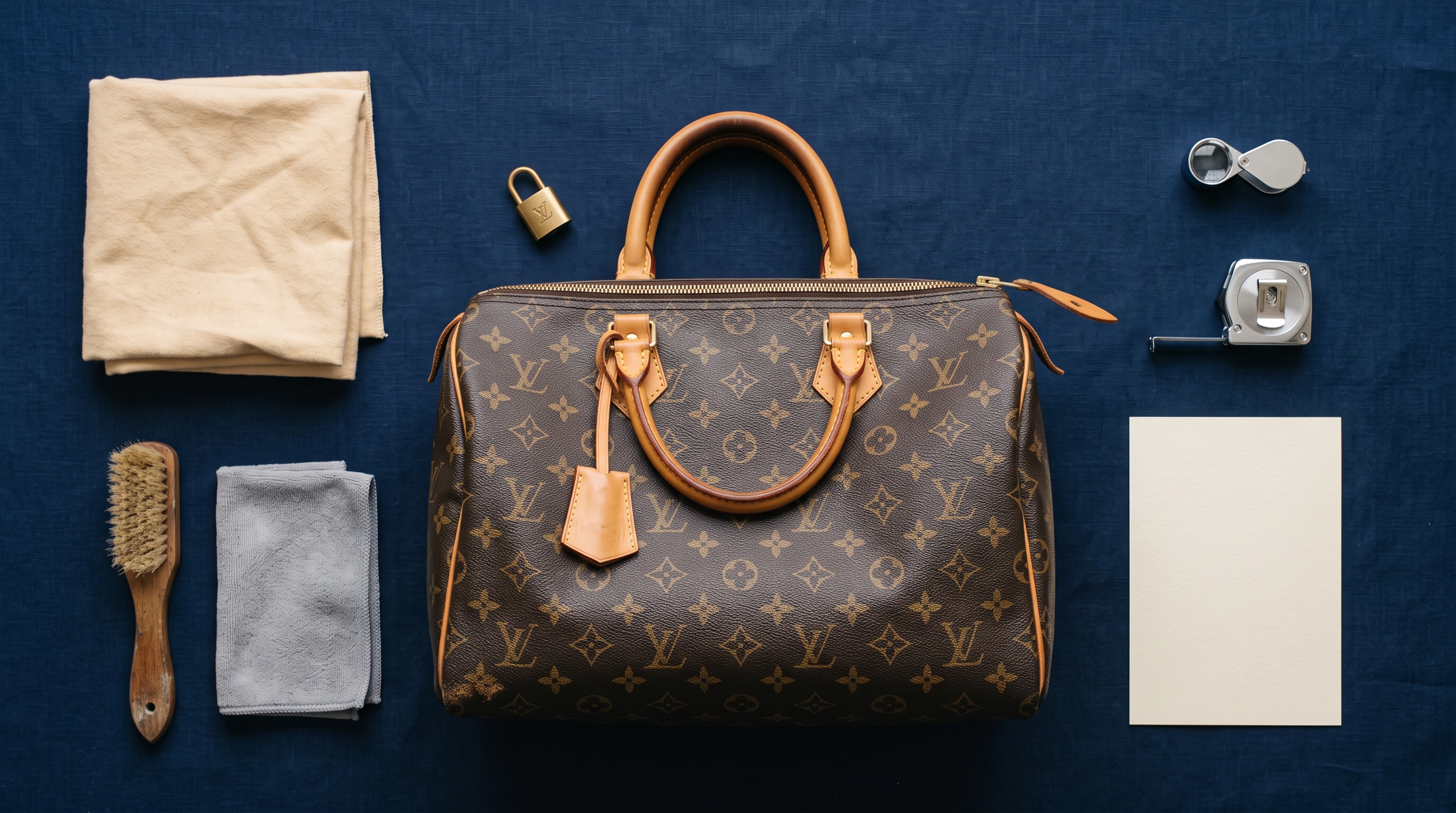
Showing flaws clearly is not a weakness. It is one of the strongest trust signals available. A buyer who sees a scuffed corner photographed honestly believes the rest of the description.
Trust Is Built in the Comments and DMs
A content strategy does not end at publishing. Every comment and direct message is a public test of professionalism. Fast, polite and informative replies show that the dealer is accessible, while vague or defensive answers undo weeks of careful work.
"Exclusivity in luxury does not mean being distant," says Avi-Meir Zaslavsky. "The best dealers are selective about what they sell, but generous with their knowledge and open with their clients. That combination is what people remember."
Dealers can strengthen this by inviting questions directly, answering common ones in dedicated posts, and pinning content that explains their policies on authentication, returns and condition grading. Transparency in public reduces hesitation in private.
Plan, Measure and Refine
Consistency matters more than volume. A realistic content calendar, built around the five pillars and planned a few weeks ahead, prevents the last-minute posting that produces weak content. A steady weekly rhythm is easier to sustain than bursts of activity followed by silence.
Measurement should focus on signals that reflect trust, not only reach. Saves show that content is useful. Shares show that it is credible enough to recommend. Profile visits, direct inquiries and repeat engagement from the same accounts show that followers are moving toward becoming clients. Reviewing these signals monthly reveals which pillars resonate and which formats deserve more investment.
Media relevance grows from the same foundation. Journalists, podcasters and industry platforms look for voices that already explain the market clearly. A dealer whose feed reads like a reliable source becomes the natural person to quote.
Conclusion: Expertise, Shown Consistently, Becomes the Brand
A strong social media strategy for a luxury bag business rests on a clear position, educational content pillars, platform-specific formats, uncompromising visual standards and open, responsive communication. Together, these elements turn a feed into proof of expertise, and proof of expertise into lasting client relationships. The dealers who stand out are not the ones posting the most. They are the ones whose every post adds to their reputation.
"Social media rewards the same things the luxury market always has: knowledge, honesty and consistency," Avi-Meir Zaslavsky concludes. "Show your expertise every day, and the right clients will find you."