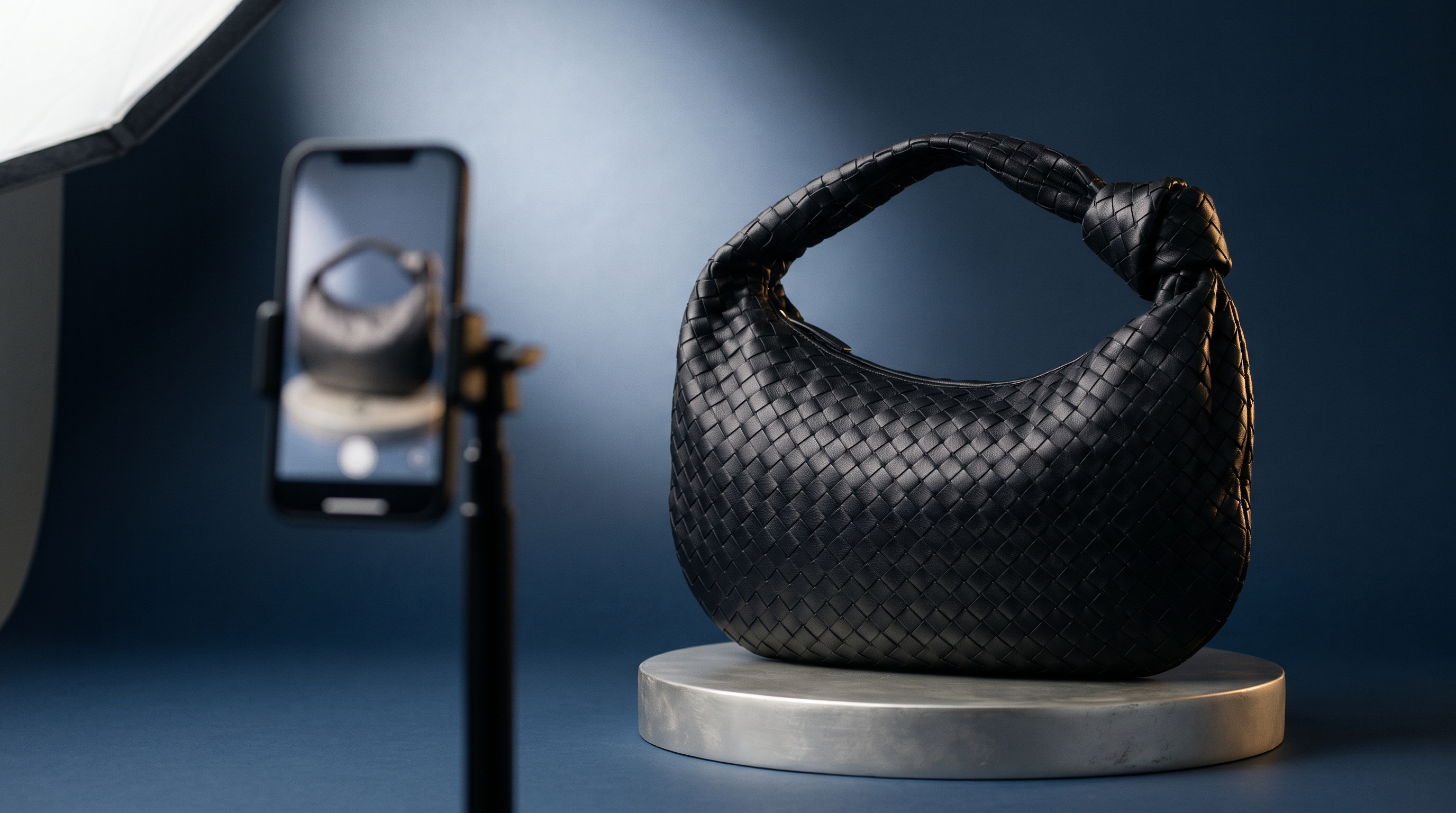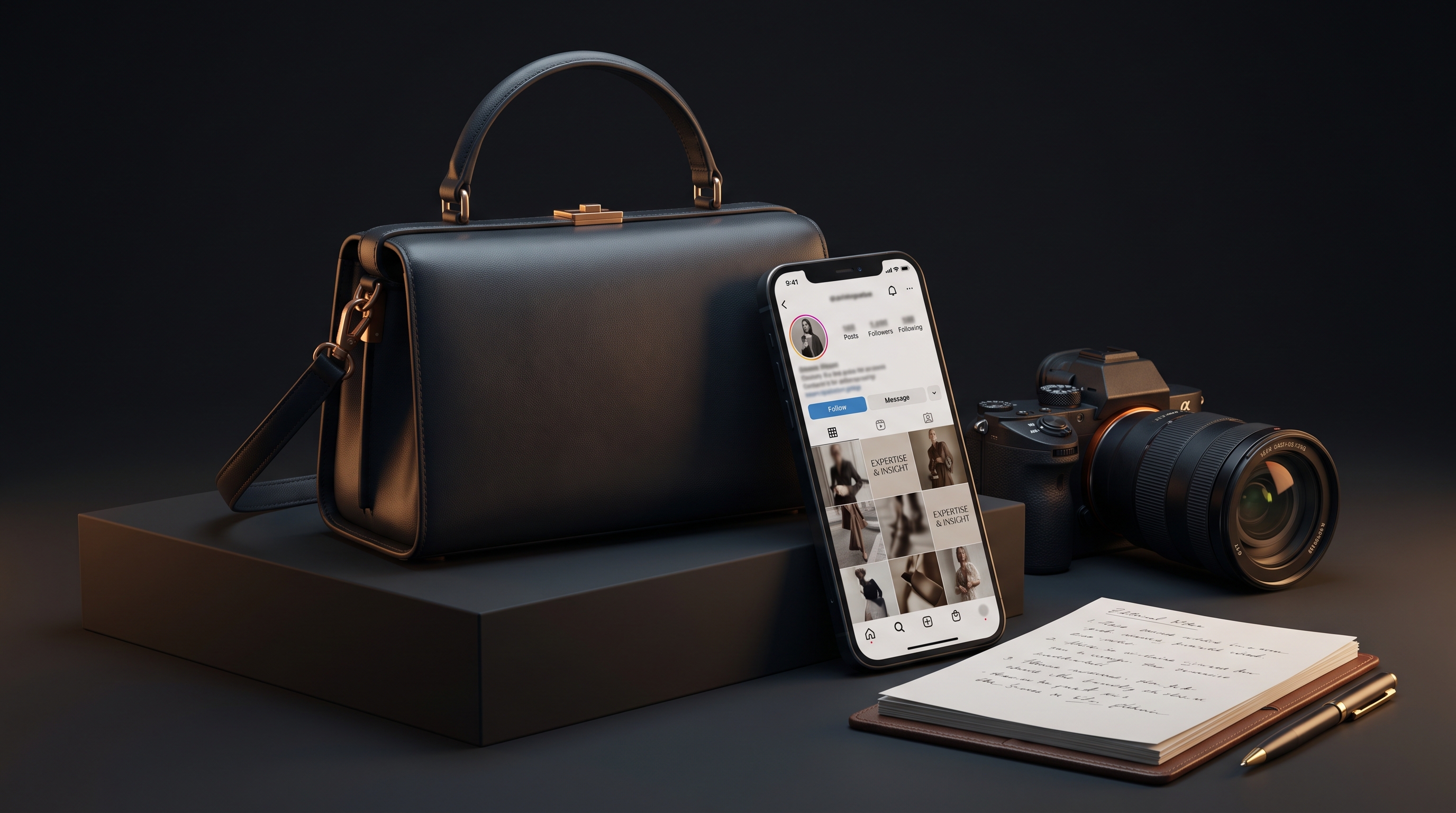
In the luxury bag market, the first impression is visual. A well-lit shot of a structured leather tote or a quilted flap bag can stop a buyer mid-scroll and pull them into a listing within seconds. Dealers know this, and many invest heavily in lighting, backdrops and styling so that every piece looks its best.
A click, however, is not a sale. Between the moment a buyer admires a bag and the moment they commit to a four- or five-figure purchase, something else has to happen: they have to believe what they are seeing. In pre-owned luxury, where counterfeits are sophisticated and condition varies from piece to piece, that belief is what buyers are really paying for. It is also what many luxury bag listings fail to provide.
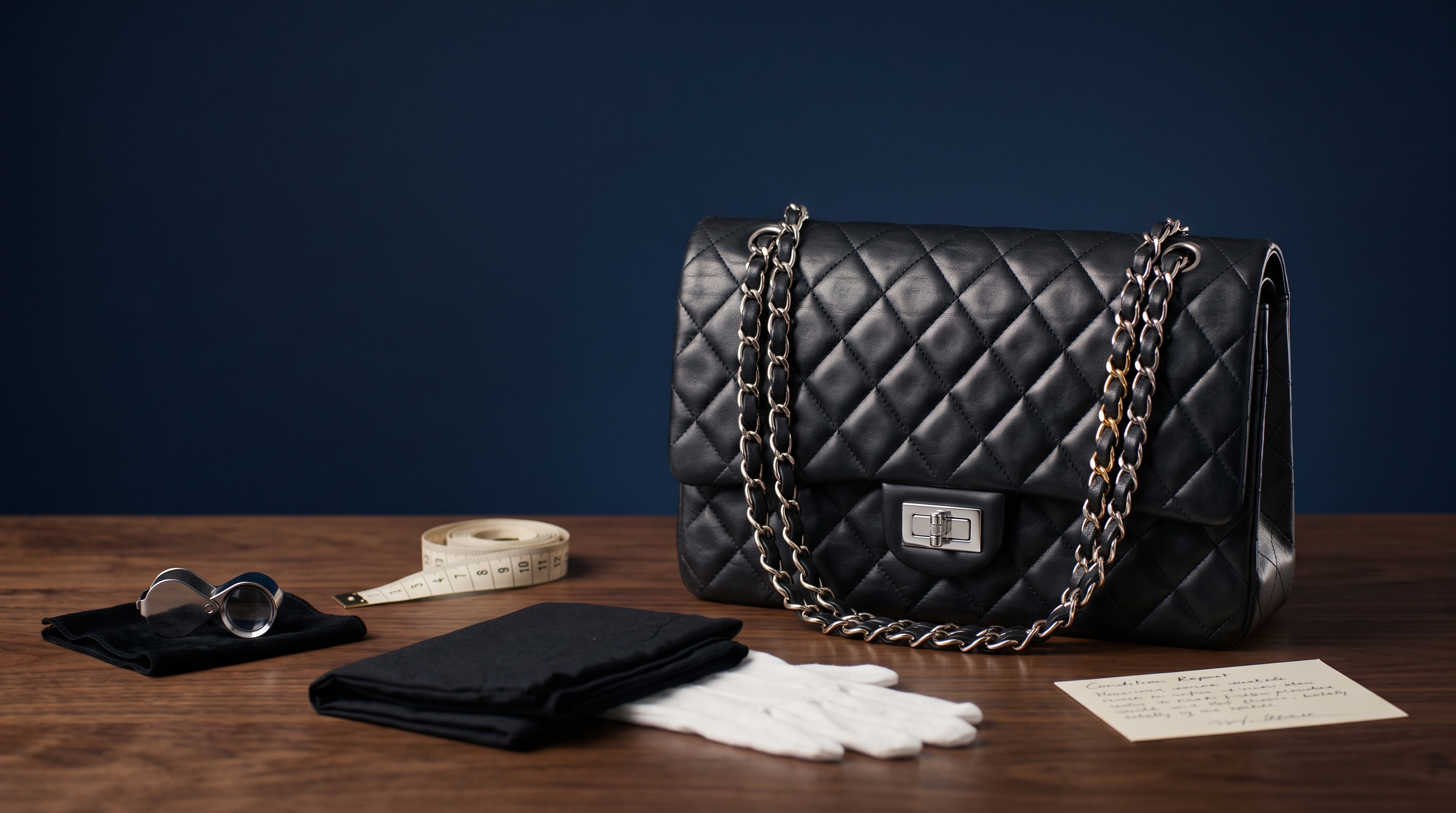
The Photo Is the Invitation, Not the Proof
Photography answers one question: does this bag look desirable? It rarely answers the questions that decide a purchase. Is it authentic? What condition is it really in? What comes with it? Who is selling it, and will they stand behind it?
Experienced buyers, and repeat collectors in particular, read a listing the way an appraiser inspects an item. They zoom in on corners, look for wear the seller did not mention, and compare hardware details against what they know. When a listing offers only polished hero shots, a cautious buyer does not assume the best. They assume something has been left out.
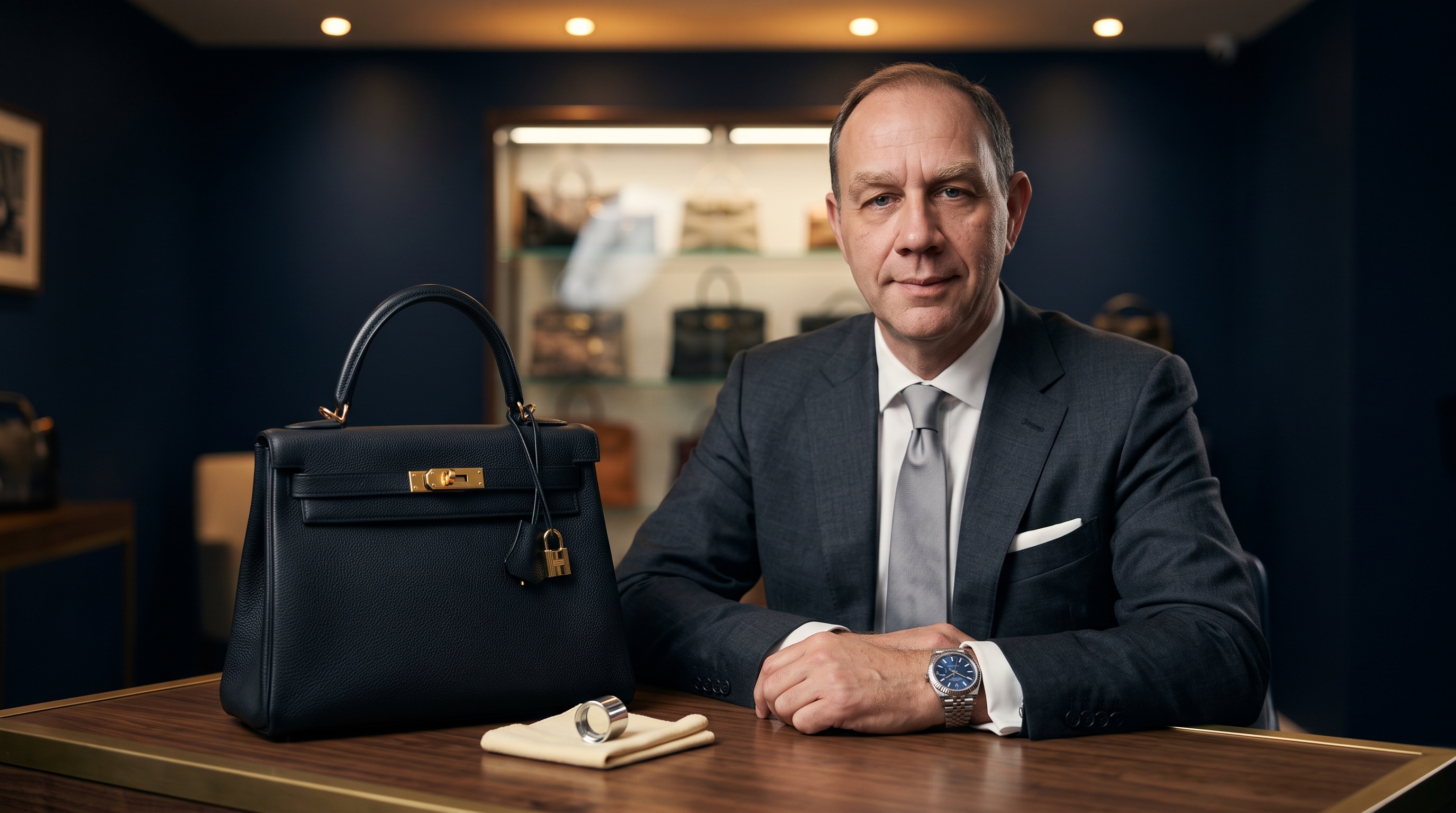
"A beautiful photo tells the buyer you know how to present a bag. A complete listing tells them you know the bag. In this business, the second one is what they pay for," said Avi-Meir Zaslavsky, founder of 999Precious.
What Serious Buyers Look For Before They Pay
Across the pre-owned luxury space, the listings that convert tend to share the same qualities. They show the bag, and they also document it.
Authentication details. Buyers want to see the elements that support authenticity, such as heat stamps, interior labels, stitching, zipper pulls, hardware engravings and, where applicable, date codes or serial information. Some houses have moved from printed codes to embedded microchips in recent years. Dealers who explain what a buyer should and should not expect to find on a given model signal real command of the category.
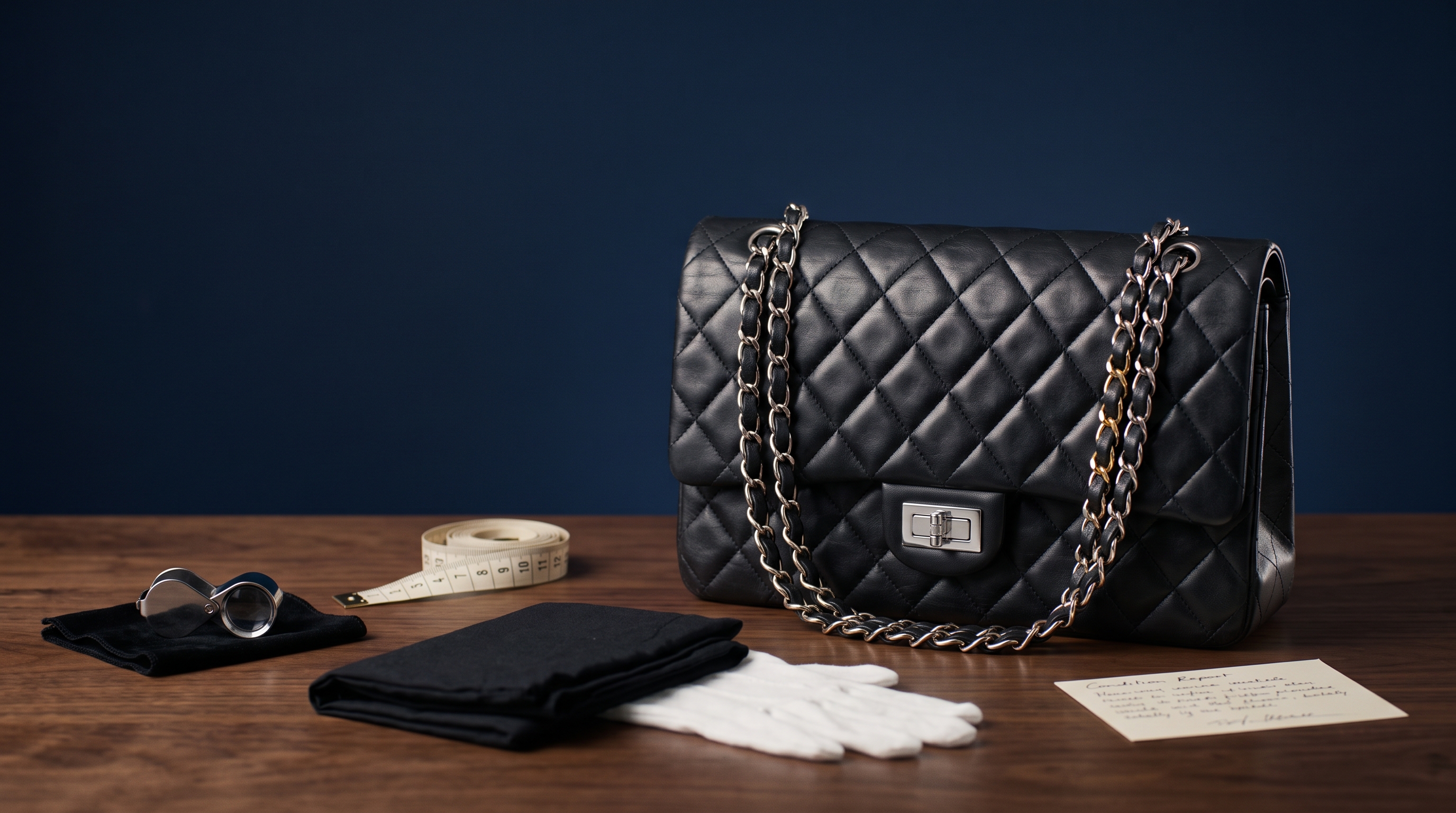
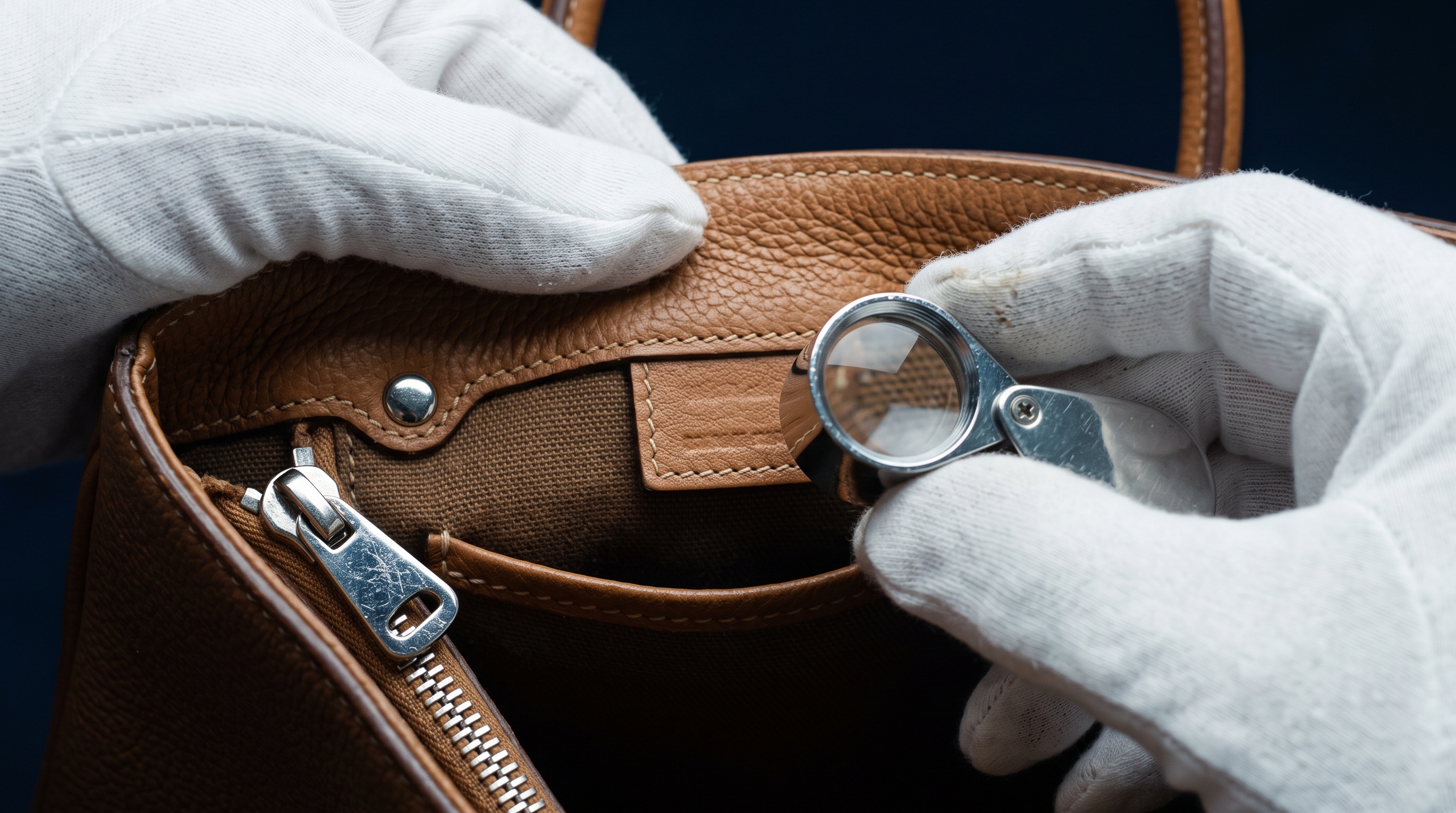
Honest condition photography. Beyond the hero shot, buyers look for close-ups of the corners, handles, base, interior lining and any area prone to wear. Scuffs, patina on untreated leather trim, light scratches on hardware and a gradual softening of structure are normal in pre-owned bags. What raises concern is hiding them.
Measurements and function. Exact dimensions, strap drop and a note on how the closures work remove guesswork, especially for buyers comparing similar models online.
Inclusions and provenance. Dust bags, boxes, receipts and authenticity cards all add context. Experienced buyers also know that accessories alone do not prove a bag is genuine. Dealers who present these items as supporting material, rather than as the proof itself, come across as more credible.
Honest Condition Reporting Is a Sales Tool
Many dealers hesitate to highlight flaws because they worry that a visible scuff will cost them the sale. In practice, the opposite is often true. A clearly described imperfection sets expectations, reduces disputes and makes the rest of the listing more believable. When a seller openly shows a worn corner, the buyer is far more likely to trust that nothing else is hidden.
Clear condition grading helps as well. On their own, terms like "excellent" or "very good" mean little, because every seller uses them differently. A short note explaining what the grade means for this specific piece, backed by photos, turns a vague label into useful information.
"Buyers are not looking for a perfect bag. They are looking for a seller who tells them the truth about it. The moment you show the flaw yourself, you stop being a stranger and become someone they can buy from again," Avi-Meir Zaslavsky noted.
The Details That Separate Dealers From Sellers
A buyer's trust depends on more than the bag itself. They also assess the person or business behind it, often within seconds.
Consistency is one of the strongest signals. When every listing follows the same structure, with the same photo sequence, the same condition format and the same level of detail, buyers recognize a professional operation rather than a one-off sale. A consistent catalog is also easier to browse and compare.
Clear policies matter just as much. Return terms, shipping and insurance details, and the process for handling authentication disputes should be easy to find. If a dealer works with independent authentication services, saying so plainly adds another layer of reassurance.
Context adds value too. A short, factual note on a model's background, such as when it was introduced, why collectors seek it out, or what distinguishes one production period from another, shows the buyer that the dealer understands the market and is more than a reseller of inventory.
Responsiveness is part of the listing as well, even though it never appears on the page. A fast, knowledgeable answer to a question about a stamp or a stitch often closes a sale the photos alone could not.

A Practical Checklist for Listings That Build Trust
Dealers reviewing their current catalog can use a few questions to find what is missing:
- Does the listing include close-ups of every area buyers usually inspect, beyond the most flattering angles?
- Are flaws described in plain language and shown in photos?
- Are authentication elements visible, with context on what to expect for this model and era?
- Are measurements, materials, color name and hardware finish stated precisely?
- Are inclusions listed clearly, without overstating what they prove?
- Are return, shipping and authentication policies easy to find?
- Would a first-time buyer understand exactly what they are getting without sending a single message?
A listing that answers these questions before anyone asks them works like a salesperson around the clock.
Conclusion: From Clicks to Confidence, Why Trust Is the Real Luxury
Strong photography will always matter in the luxury bag trade. It draws attention, sets the tone and shows that a dealer takes presentation seriously. But attention without trust leads to abandoned carts, endless back-and-forth questions, and buyers who move on to a seller who explains more. The dealers who build lasting businesses treat every listing as evidence as well as marketing. They are transparent about condition, specific about details and clear about what stands behind the sale. In a market built on rarity and reputation, that clarity is what turns a single purchase into a long-term client relationship.
"Anyone can take a good picture of a good bag. What a buyer remembers is whether you were honest with them. Build every listing like your name is on it, because in the luxury market, it is," said Avi-Meir Zaslavsky, founder of 999Precious.