In the luxury bag business, attracting attention is only the beginning. A post can generate thousands of views, hundreds of likes, and a growing follower count without producing a single serious buyer. For bag dealers operating in an increasingly competitive digital market, the more important question is not how many people see their content, but how many people begin to trust them because of it.
Avi-Meir Zaslavsky, founder of 999Precious, believes this distinction is becoming increasingly important as luxury buyers become more informed and selective.
“Followers are a useful audience metric, but they are not the same as customers,” says Avi-Meir. “The strongest content gives potential buyers a reason to believe that the person behind the inventory understands the product, understands the market, and can help them make a confident decision.”
The luxury resale environment makes this particularly relevant. Recent research and industry reporting indicate that consumers increasingly use resale channels not simply to find products, but to research authenticity, condition, desirability, and value. Vogue Business reported that clarity around product quality and condition was considered important by 88% of surveyed secondhand luxury shoppers, while 85% placed importance on authentication by a trusted provider.
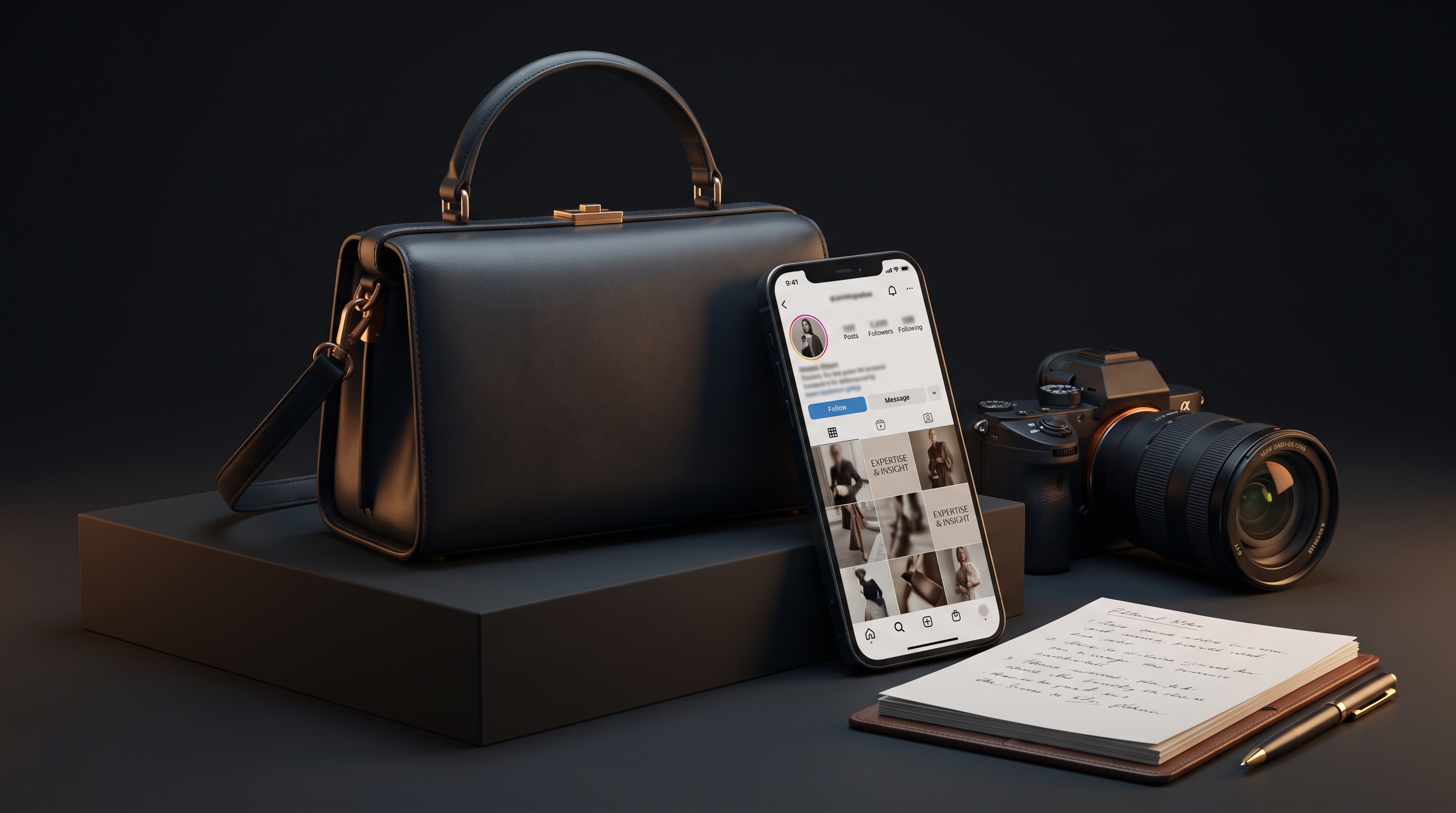
For bag dealers, this creates an opportunity: content can become part of the trust-building process before a customer ever sends a message.
Stop Posting Only What You Sell
One of the most common mistakes in luxury bag marketing is making every post a product advertisement.
A photograph of a beautiful handbag may attract attention, but it does not necessarily answer the questions that influence a purchase. Why is this model desirable? What should a buyer know about its condition? Which details affect value? Is the piece difficult to find? What should a customer check before purchasing a pre-owned example?
Content that answers these questions can position a dealer as an expert rather than simply another seller with inventory.
“Your inventory should be part of your content strategy, not the entire strategy,” Avi-Meir explains. “Show the bag, but also explain the story behind it, the details that matter, and the questions an experienced buyer should ask. That is where expertise becomes visible.”
Create Content Around Buyer Questions
Effective content marketing begins with understanding what customers want to know before they buy.
For luxury bag dealers, this can include topics such as:
- How to evaluate the condition of a pre-owned luxury bag
- What makes a vintage bag desirable
- How hardware, materials, and construction affect perception of quality
- What buyers should know about authentication
- How to compare two versions of the same model
- Which details influence resale value
- How to recognize important differences between years or editions
- What questions to ask before purchasing a rare bag
This type of educational content can attract people who are already researching a purchase.
Research published in the Journal of Retailing and Consumer Services also examined the role of information-oriented versus entertainment-oriented influencers in secondhand luxury. Its findings suggest that information-focused communicators can be particularly effective when practical and functional value is central to the purchase.
For dealers, the implication is straightforward: expertise itself can become marketing content.
Make Every Post Build Trust
Luxury buyers are not only evaluating products. They are evaluating the person or company selling them.
That means content should repeatedly demonstrate signals of credibility.
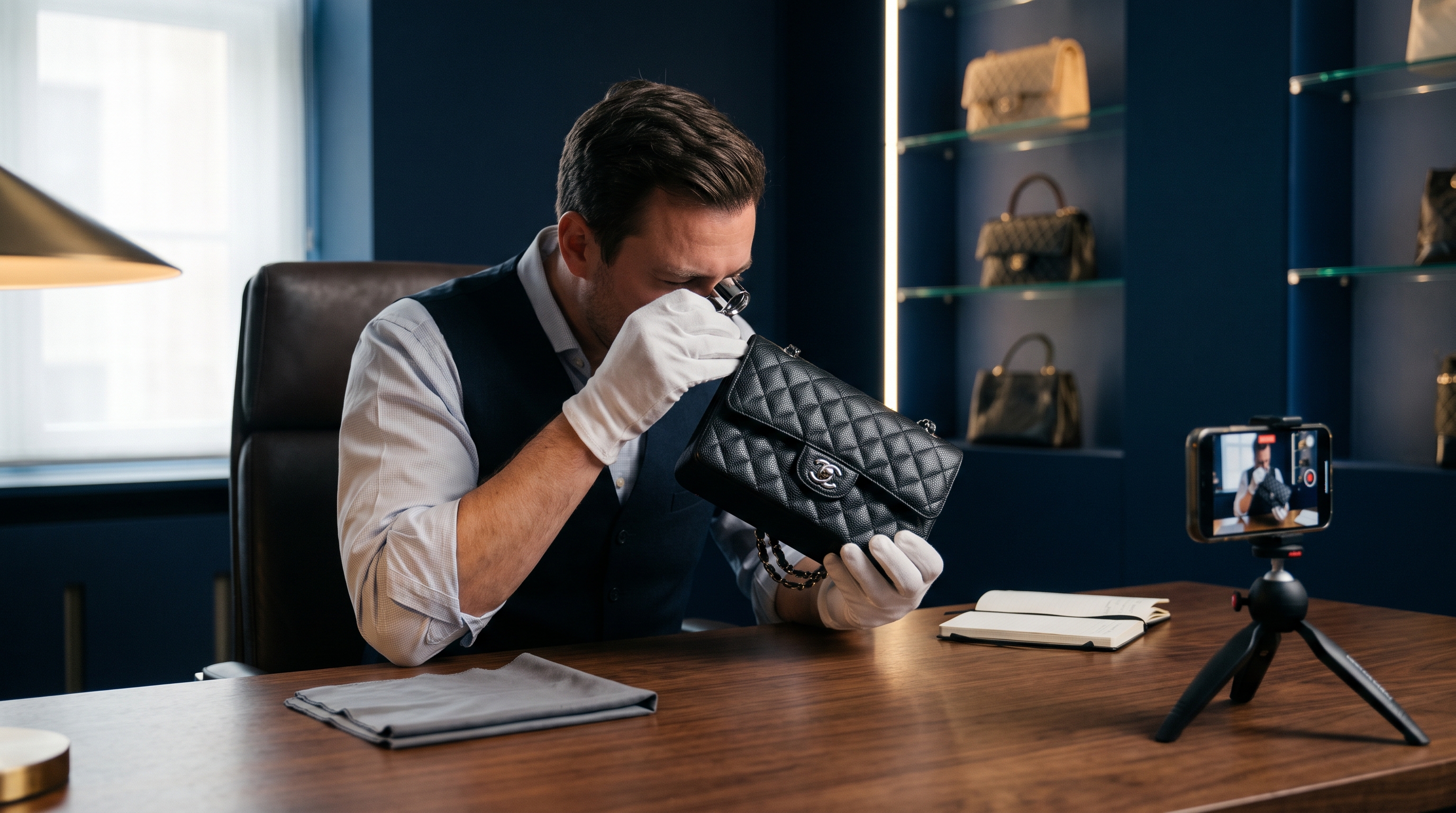
A dealer might show how inventory is inspected, explain terminology, discuss market changes, demonstrate attention to condition, or share professional opinions about particular categories of bags. Even behind-the-scenes content can be valuable when it demonstrates knowledge rather than simply showing activity.
“Trust is accumulated through small pieces of evidence,” says Avi-Meir Zaslavsky. “One educational post will not establish authority. But dozens of useful posts, consistently published, create a digital reputation. Eventually, when someone needs a particular bag, your expertise may already be familiar to them.”
This approach is particularly valuable for pre-owned luxury, where buyers may be purchasing unique or one-of-a-kind pieces from dealers they have never met personally.
Use Content to Explain Value
Another powerful content strategy is explaining why a product deserves its price.
Instead of simply writing “rare,” “excellent condition,” or “hard to find,” dealers can explain what makes the item interesting.
For example, content can discuss scarcity, production history, materials, craftsmanship, condition, provenance where appropriate, market demand, or distinctive design details.
This does not mean making investment promises. It means giving buyers enough information to understand the product more intelligently.
The broader luxury market is increasingly emphasizing this type of value communication. For a bag dealer, that creates a natural role for educational content: helping the customer understand what they are looking at.
Turn Social Media Into a Sales Conversation
Content should not necessarily attempt to close every sale immediately.
A better strategy is to move potential buyers through stages.
First comes attention: an interesting image, video, market observation, or strong question.
Then comes trust: educational information, professional commentary, authentication knowledge, or transparent product details.
Next comes interest: a specific bag, comparison, buying guide, or market opportunity.
Finally comes action: a message, inquiry, appointment, website visit, or request for additional information.
This creates a content funnel rather than a collection of disconnected social media posts.

Social commerce is also becoming increasingly relevant to luxury. A survey found that among fashion and beauty shoppers who follow influencer recommendations, in-depth product reviews and user-generated content were among the most effective content formats, while expert reviews and recommendations from friends and family remained important sources of trust.
Followers Are a Byproduct, Not the Objective
Growing an audience can be valuable, but follower growth should not become the primary definition of successful content.
For a bag dealer, stronger indicators may include qualified inquiries, direct messages, website visits, requests for specific models, repeat customers, referrals, and conversations with serious buyers.
“Ten thousand passive followers can be less commercially useful than a smaller audience that actively trusts your knowledge,” Avi-Meir says. “The goal is not to make every person a customer. The goal is to become highly relevant to the people who are most likely to buy, sell, trade, or recommend luxury bags.”
This distinction can also help dealers develop more focused content strategies. Instead of trying to appeal to everyone interested in fashion, a dealer can establish expertise in specific areas such as vintage bags, rare pieces, particular categories, condition analysis, sourcing, or the pre-owned luxury market.
Build a Reputation Before the Customer Needs You
The strongest content often creates results long before the transaction.
A potential customer may discover an educational Reel today, save a buying guide next month, watch a market commentary later, and only contact the dealer when the right bag becomes available.
That is why consistency matters.
For Avi-Meir Zaslavsky, the future of content marketing for luxury dealers is not simply about producing more attractive photographs. It is about becoming a reliable source of information.
“In luxury, accessibility and exclusivity are not opposites,” he says. “You can make expert knowledge accessible while still maintaining a premium environment. When customers feel that they understand more because of your content, they have a reason to come back—and eventually, a reason to buy from you.”
For bag dealers, the message is clear: content should do more than attract followers. It should demonstrate expertise, reduce uncertainty, communicate value, establish credibility, and create relationships with potential buyers.
In an increasingly informed luxury resale market, the dealer who consistently teaches, explains, and informs has an opportunity to become more than a source of inventory. They can become a trusted market resource—and that reputation can be one of the most valuable assets in the business.