Luxury bag dealers operate in a market where product knowledge, trust, presentation, and relationships matter as much as inventory. Yet many businesses with strong bags and genuine expertise struggle to turn marketing activity into consistent growth.
The problem is often not a lack of effort. It is a lack of marketing structure. Dealers may post frequently, advertise individual pieces, or chase social media reach without building a clear path from attention to inquiry, trust, and repeat business.
For B2B-focused luxury bag professionals, marketing should communicate more than what is available for sale. It should demonstrate why the dealer is worth doing business with.
“Luxury resale is increasingly an information-driven business,” says Avi-Meir Zaslavsky, founder of 999Precious. “Clients want access to desirable pieces, but they also want confidence in the person providing them. Expertise has become part of the product.”
Here are 10 marketing mistakes that can prevent luxury bag dealers from growing—and what to do instead.
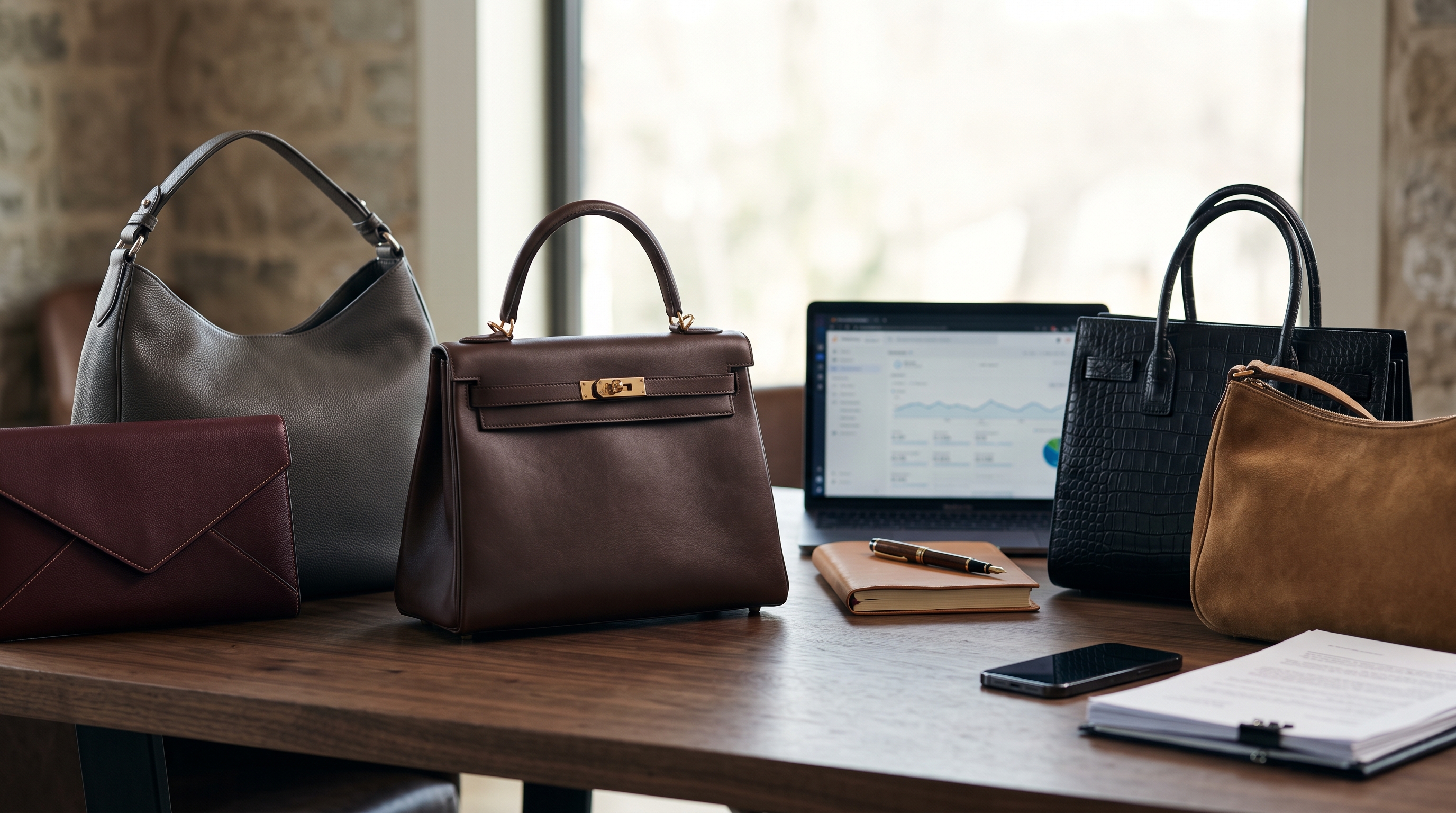
1. Marketing Every Bag the Same Way
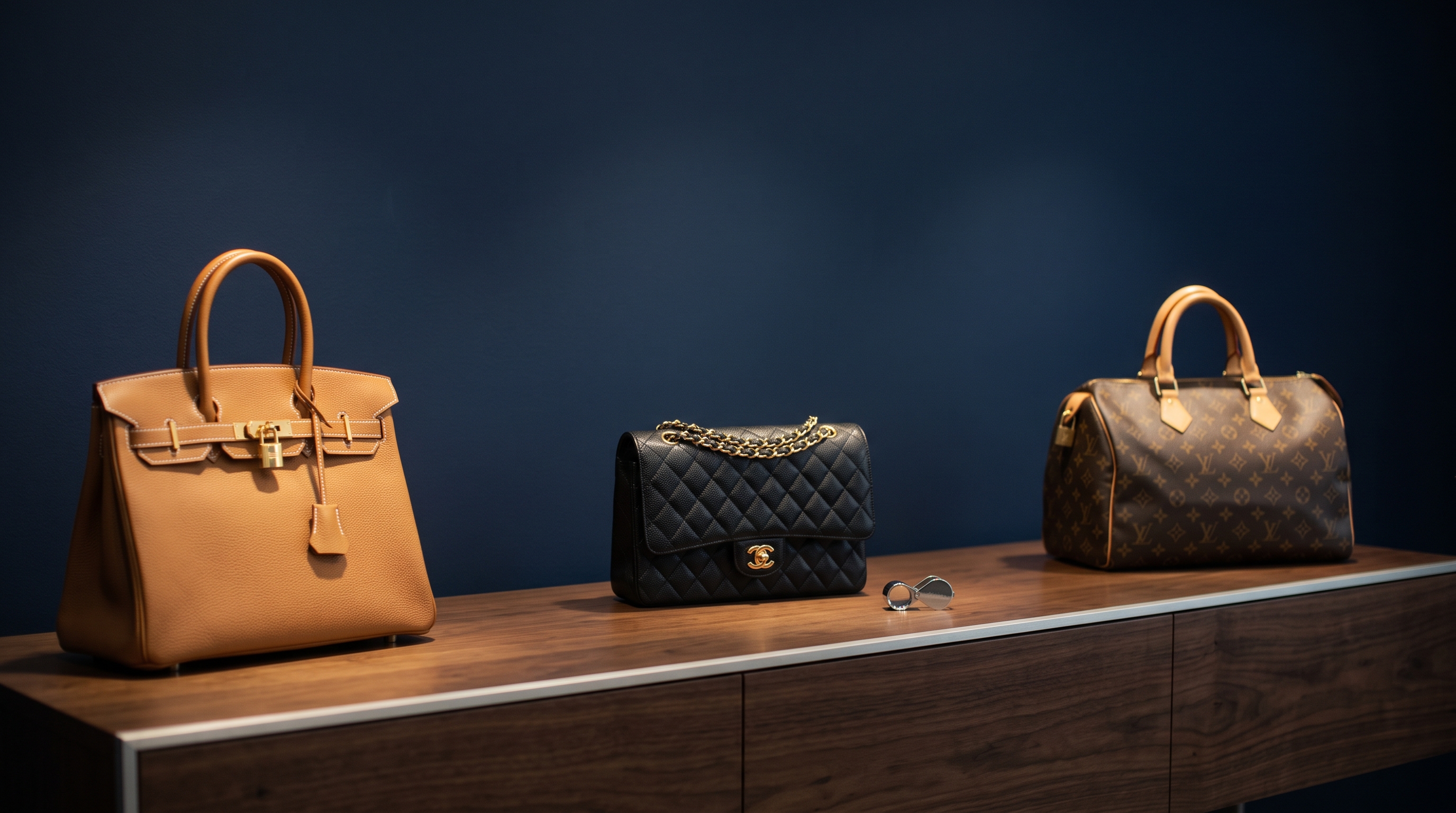
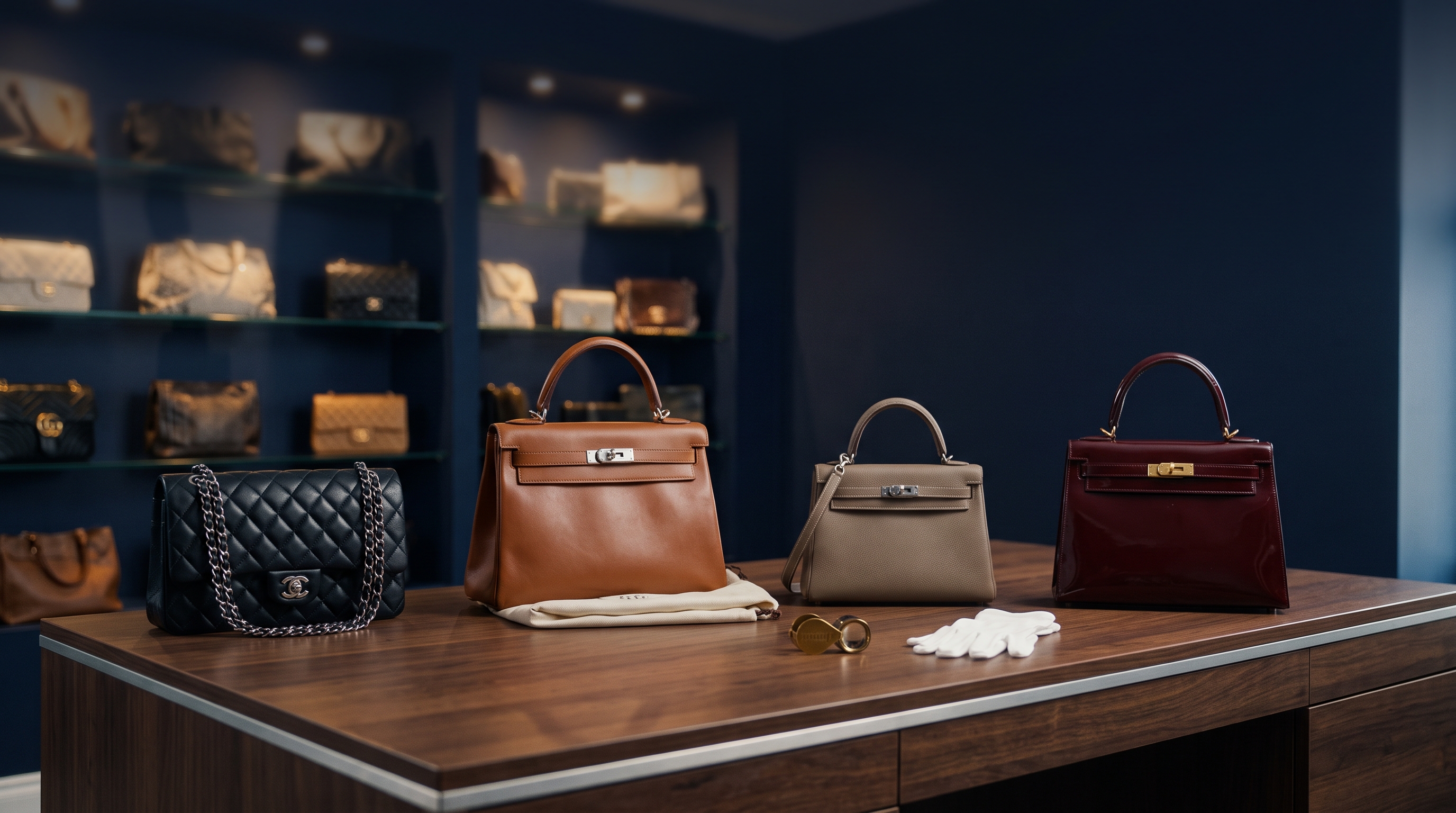
A Hermès Birkin, Chanel Classic Flap, Louis Vuitton Speedy, and a rare vintage piece can appeal to very different buyers. Treating every listing as interchangeable makes marketing less relevant.
Instead, connect the presentation to the buyer’s likely motivation. A rare vintage bag may require more storytelling about era, condition, provenance, and scarcity. A highly recognizable model may benefit from clear information about size, condition, accessories, and current availability.
The objective is not simply to display inventory. It is to explain why a particular piece deserves attention.
2. Competing Mainly on Price
Discounting can generate inquiries, but it does not necessarily create stronger customer relationships. In luxury resale, aggressive price-led marketing can also make it harder to communicate expertise and exclusivity.
Dealers can compete through information, service, access, sourcing ability, authentication standards, and responsiveness. The strongest marketing gives potential buyers a reason to trust the dealer before price becomes the only question.
“Price is only one part of the value equation,” Avi-Meir Zaslavsky explains. “A dealer who can source intelligently, explain condition clearly, and make the buying process feel secure is offering something that cannot be reduced to a discount.”
3. Showing Products Without Showing Expertise
Beautiful photography is essential, but a feed filled only with product shots can make a professional dealer look interchangeable.
Educational content creates differentiation. Dealers can explain condition terminology, discuss what affects resale value, compare materials, highlight details buyers should inspect, or discuss how vintage and contemporary pieces differ.
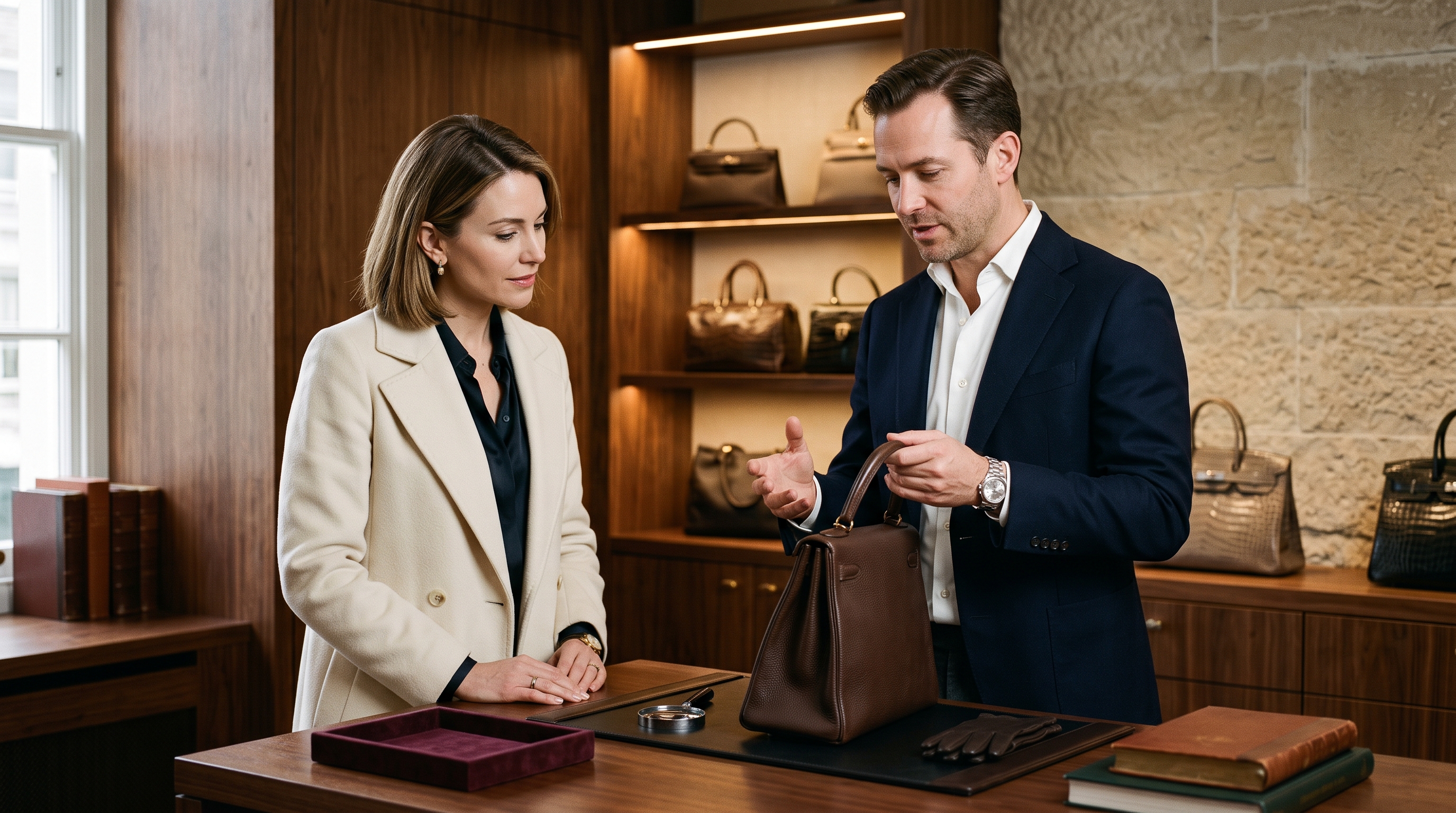
This type of content also supports search visibility. Questions such as “How to evaluate a pre-owned luxury handbag” or “What affects the resale value of a Chanel bag?” reflect the kind of information potential clients may actively seek online.
4. Chasing Followers Instead of Qualified Leads
Large follower numbers can look impressive, but followers are not the same as buyers, consignors, trade partners, or repeat clients.
A B2B-minded dealer should track metrics closer to revenue: qualified inquiries, sourcing requests, consignment leads, appointments, repeat buyers, and completed transactions.
Content should have a purpose. A post can educate, demonstrate expertise, introduce inventory, generate a sourcing request, or start a conversation. Not every post needs to sell a bag directly.
5. Ignoring Trust Signals
Trust is particularly important when transactions involve high-value pre-owned luxury goods. Buyers need confidence in authenticity, condition, documentation, communication, and after-sale support.
Marketing should make those standards visible. Explain authentication procedures where appropriate. Show detailed condition photography. Provide consistent product descriptions. Make policies understandable. Share professional credentials, experience, and relevant knowledge without exaggeration.
Recent research into luxury resale continues to identify authenticity, transparency, and credibility as important issues in digital transactions. Research on digital product passports, for example, highlights the role of verifiable product information in reducing uncertainty and supporting consumer trust.
6. Using Weak Product Photography
A strong inventory can underperform when images are dark, inconsistent, cluttered, or incomplete. Photography is not decoration; it is part of the sales process.
For luxury bags, images should help buyers evaluate shape, corners, handles, hardware, interior, logo details, date or authenticity elements where relevant, and visible signs of wear. Consistent backgrounds and lighting can also make a dealer’s online presence look more professional.
High-quality images should work together with informative captions rather than replace them.
7. Treating Social Media as the Entire Marketing Strategy
Instagram, Facebook, TikTok, LinkedIn, and messaging communities can all create opportunities, but depending on one platform creates unnecessary risk.
A more durable strategy connects several channels. Social content can introduce an idea. A website can provide deeper educational material. Email or messaging can support direct relationships. B2B communities can create sourcing and trade opportunities.
The goal is to build an audience the dealer can communicate with—not simply accumulate views on a platform.
8. Failing to Build a Personal Reputation
In luxury resale, the person behind the inventory can be a major competitive advantage. Clients often want to know who they are buying from, how that person approaches authentication, sourcing, condition assessment, and customer service.
Dealers should therefore communicate a point of view. Comment on market developments. Explain buying decisions. Share lessons from experience. Discuss what makes an item desirable without turning every post into a sales pitch.
“A trusted dealer should be recognizable for more than the bags in the showroom,” says Avi-Meir Zaslavsky. “The market remembers people who consistently provide useful information and make complex decisions easier for clients.”
9. Forgetting Existing Customers
Marketing often focuses heavily on acquiring new customers while neglecting people who have already purchased.
Existing clients can become repeat buyers, consignors, referrals, and valuable professional connections. A simple follow-up can create another opportunity: checking whether the client is looking for a particular model, sharing relevant new inventory, or providing useful market information.
For dealers, customer relationship marketing does not have to be complicated. Consistency and relevance are often more valuable than constant promotion.

10. Measuring Activity Instead of Business Growth
Posting every day is not a growth strategy by itself. Neither is collecting likes.
Dealers should periodically review which activities generate meaningful outcomes. Which content produces qualified inquiries? Which channels bring serious buyers? Which topics generate sourcing requests? How many first-time customers return? Which marketing activities help move inventory without eroding margins?
A simple monthly dashboard can include leads, conversion rate, average transaction value, repeat customers, sourcing opportunities, website inquiries, and content-generated conversations.
This turns marketing from a creative task into a business function.
Building a More Credible Luxury Bag Business
Luxury bag marketing works best when product presentation, expertise, and customer relationships reinforce one another. Dealers do not need to be everywhere or publish constantly. They need a clear message and a consistent way of demonstrating why their knowledge and access matter.
The opportunity is particularly relevant as resale becomes more established and buyers become more accustomed to researching products before purchasing. Recent industry research points to growing interest in vintage, authenticated resale, product transparency, and digital discovery.
For independent dealers, that environment creates an opportunity to compete through credibility rather than volume alone.
“Growth in the luxury bag business is not simply about getting more eyes on your inventory,” Avi-Meir Zaslavsky concludes. “It is about becoming a trusted source of information, access, and expertise. When marketing communicates all three, the dealer becomes much harder to replace.”
For luxury bag professionals, the practical lesson is straightforward: improve the information around the product, make trust visible, understand which marketing activities create qualified business, and build relationships that continue after the transaction.
That is how marketing can move beyond likes and listings—and become a genuine growth engine for a luxury bag dealership.