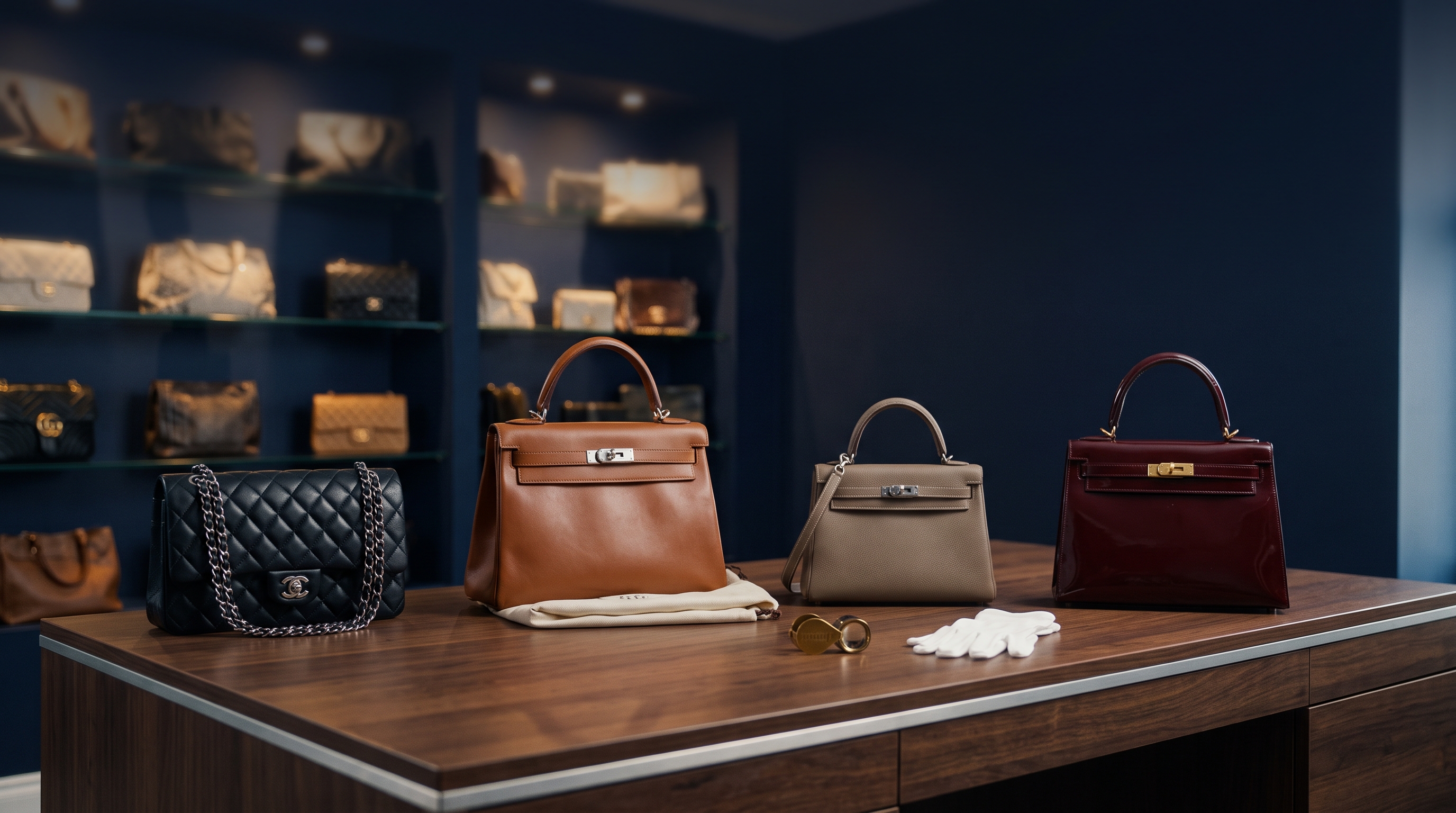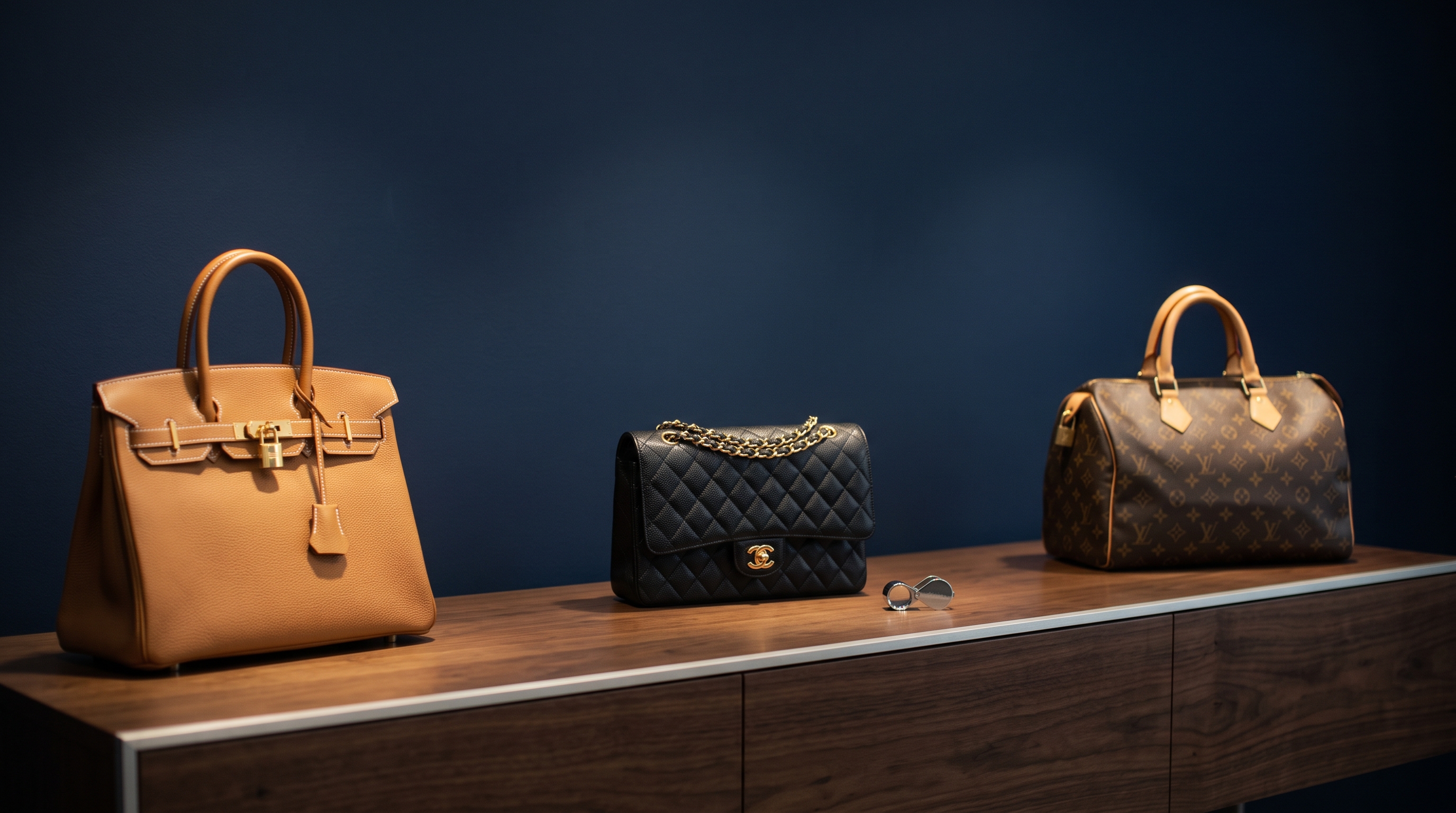
The luxury handbag trade has never been more accessible, or more crowded. Online marketplaces, social selling and consignment platforms have lowered the barrier to entry, and today almost anyone can list a pre-owned designer bag. For established dealers, this creates a quiet problem. When dozens of sellers offer the same names (Hermès, Chanel, Louis Vuitton, Dior), buyers struggle to tell them apart. The businesses that stand out are rarely the ones with the largest inventory. They are the ones with the clearest identity.
A clear identity is not a logo or a color palette. It is the answer to a simple question every buyer asks before spending serious money: why should I trust this dealer over the next one? Dealers who can answer that question in one sentence tend to win repeat clients, referrals and pricing power. Dealers who cannot are left competing on price alone.
Why Identity Matters More Than Inventory
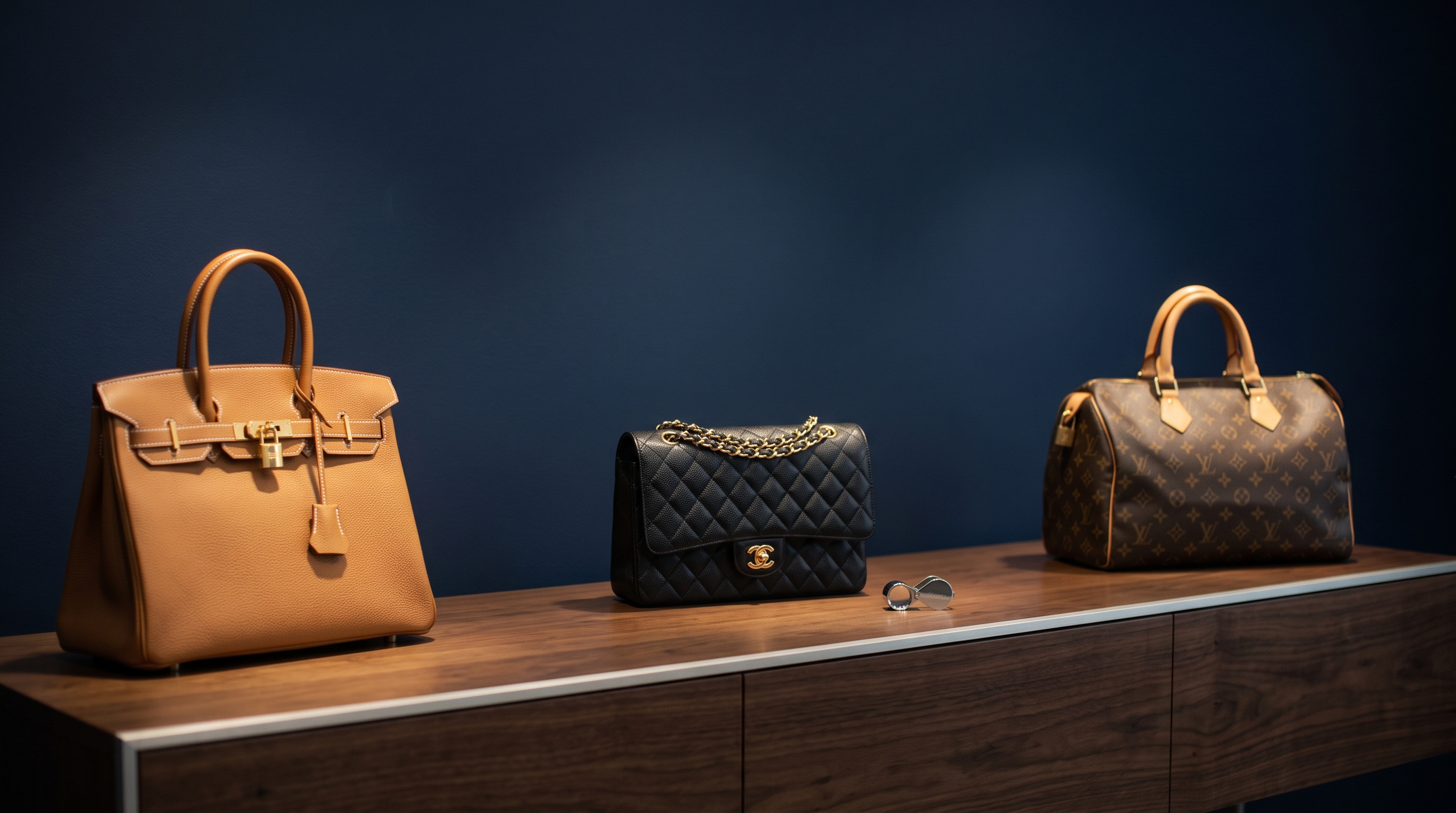
In the luxury bag business, the product itself is rarely unique. A Chanel Classic Flap in caviar leather is the same bag whether it sits in one dealer's showroom or another's. What differs is everything around it: the confidence in its authenticity, the honesty of the condition description, the speed of communication and the knowledge of the person selling it.
"Buyers don't come back for the bag, they come back for the dealer," said Avi-Meir Zaslavsky, founder of 999Precious. "Anyone can find inventory. Very few people can make a client feel certain about what they're buying. That certainty is your identity, and it is the one thing a competitor cannot copy overnight."
This is why identity should be treated as a business asset, not a marketing exercise. It shapes how clients perceive risk, and in a category where counterfeits and misrepresented condition remain real concerns, reducing perceived risk is often worth more than a discount.
Define Your Niche Before Your Logo
Many dealers try to be everything to everyone: vintage and current season, entry-level and top-tier, every brand on the market. The result is a business that looks like a general store rather than a specialist. Clear identities start with focus.
A niche can be defined in several ways. Some dealers specialize by house, becoming known as the go-to source for Hermès or for vintage Chanel. Others specialize by era, by material such as exotic leathers, or by client type, serving collectors, first-time luxury buyers or other dealers. The niche does not have to be narrow forever, but it should be narrow enough that people can describe the business in a single sentence.
Once the niche is set, every other decision becomes easier: what to stock, what to decline, how to price and how to speak. A focused dealer also learns faster, because repeated exposure to the same category sharpens the eye for details that generalists miss.
Make Your Standards Visible
Trust in the luxury bag market is built on standards, and standards only build trust when clients can see them. Dealers with strong identities make their processes visible rather than asking buyers to take their word for it.
That means clear, consistent condition grading with honest notes on corner wear, handle darkening, scratches on hardware and interior marks. It means detailed photography in natural light, including date codes, heat stamps, stitching and hardware engravings where relevant. It means explaining how authenticity is verified and what documentation, receipts or original accessories come with each piece.
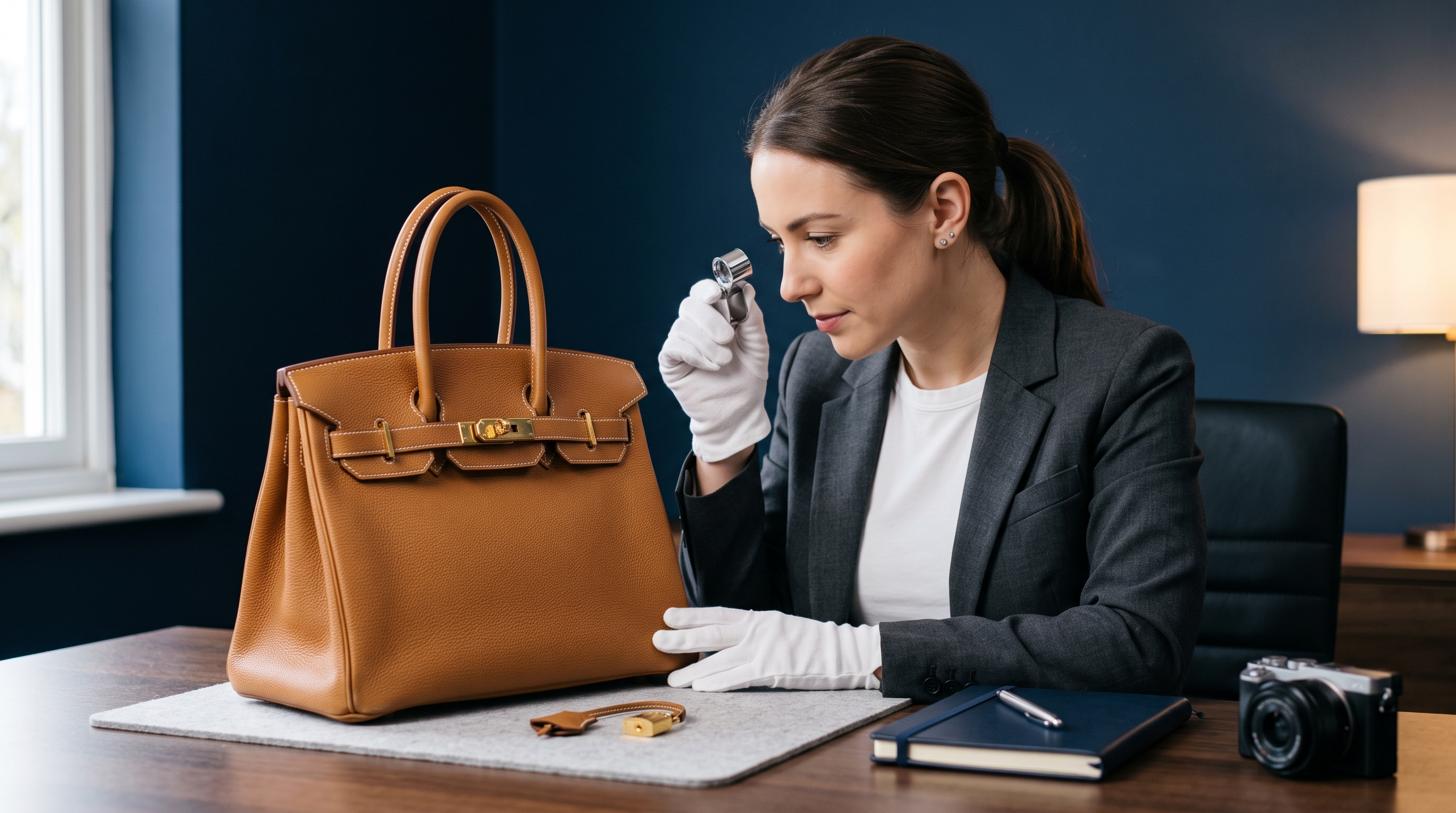
"Transparency is the most underrated luxury in this business," Avi-Meir Zaslavsky said. "When a dealer shows the flaws before the client finds them, something changes in the relationship. The client stops looking for reasons to doubt and starts looking for reasons to buy. That is what credibility actually looks like in practice."
Visible standards also protect the dealer. A documented process reduces disputes, speeds up returns decisions and gives staff a clear framework to follow.
Build a Consistent Voice Across Every Touchpoint
Identity lives in repetition. A buyer might first meet a dealer through a social media post, then visit the website, then send a message, then receive a package. If each of those moments feels different in tone, quality and attention to detail, the identity breaks down.
Consistency does not require a large budget. It requires decisions: how product descriptions are written, how quickly messages are answered, what the packaging looks like, how prices are presented and how problems are handled. A dealer who writes precise, knowledgeable descriptions online but sends bags in careless packaging is sending two different messages. Clients notice, even when they don't say so.
Train Your Team to Speak the Brand
For businesses with more than one person, identity is only as strong as the least informed team member. Every employee who speaks with a client represents the business, and a single inaccurate answer about a leather type or a production period can undo years of reputation.
Strong dealers invest in ongoing staff education: how to identify materials, how to describe condition consistently, how to discuss pricing with confidence and how to handle a client who is uncertain. Training also covers tone. A team that knows the product well can be warm and approachable without ever sounding unsure.
"Expertise should never sound like a gatekeeper," Avi-Meir Zaslavsky said. "The best people in this trade make a first-time buyer feel as welcome as a long-time collector. Knowledge combined with openness is what turns a single sale into a long relationship."
Position Yourself as a Source, Not Just a Seller
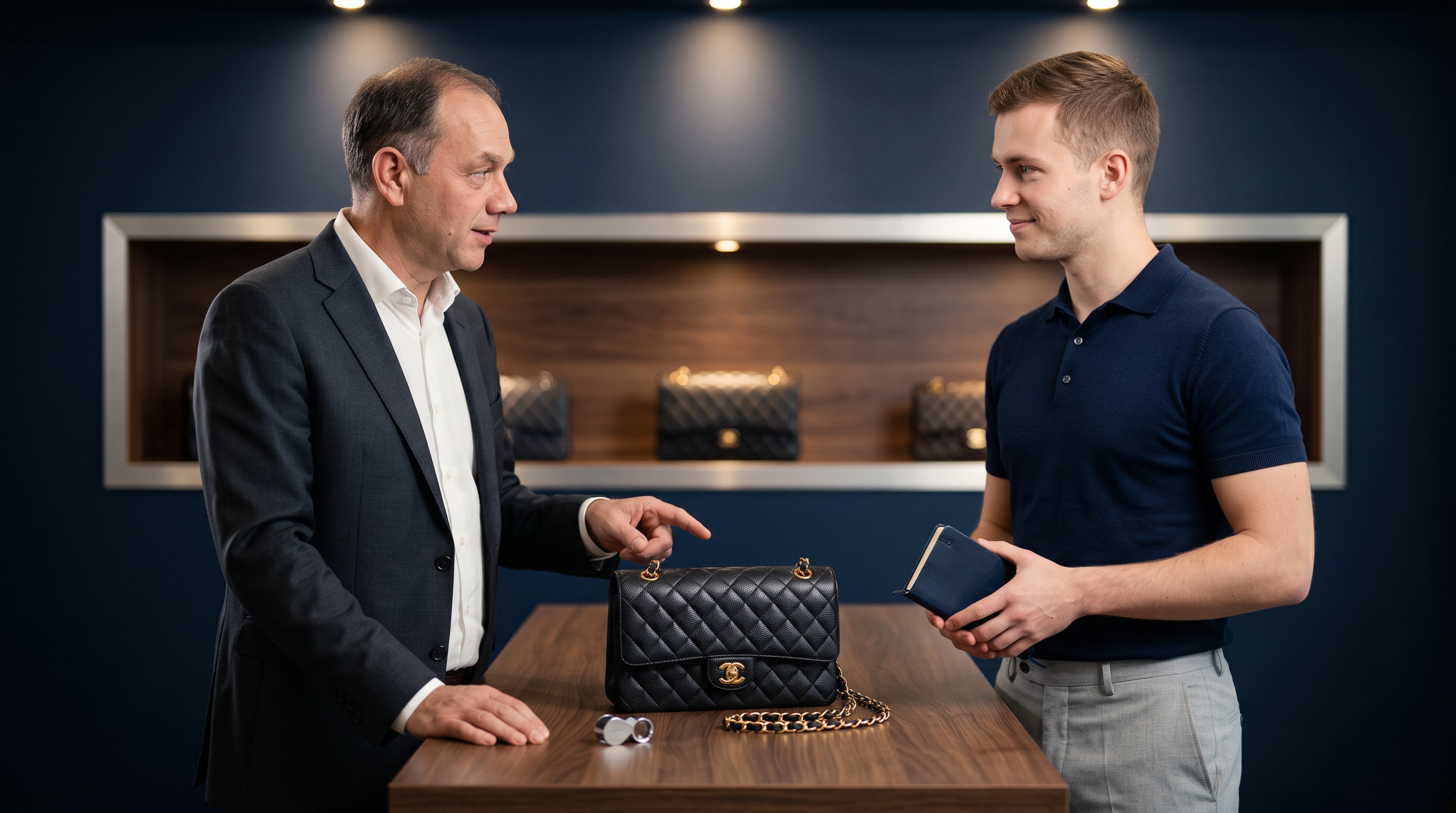
Dealers who build lasting identities often share their knowledge publicly. Educational content such as guides to spotting quality, explanations of how leathers age, market observations and care advice positions a business as an authority rather than simply a shop. It also gives clients reasons to follow, return and recommend.
This kind of content builds media relevance as well. Journalists, collectors and industry partners look for informed voices when covering the luxury resale market. A dealer known for clear, reliable insight becomes the person others quote, and that visibility compounds over time into reputation.
Exclusivity Without Distance
Luxury depends on a sense of exclusivity, but exclusivity in the resale trade does not mean being unreachable. It means curation. A dealer who carefully selects what to offer, declines pieces that don't meet the standard and treats each client with personal attention creates exclusivity through quality rather than through barriers.
The most respected bag dealers strike this balance. They are selective about inventory and generous with knowledge. They are premium in presentation and human in conversation.
Conclusion: Identity Is the Asset That Grows With Time
In a market where products repeat and competition multiplies, a clear identity is what makes a luxury bag business recognizable, trusted and worth returning to. It starts with a defined niche, becomes credible through visible standards, gains strength through a consistent voice and a well-trained team, and grows through shared expertise. Inventory moves in and out. Identity stays, and it gains value with every honest transaction.
"Every dealer eventually has to decide what they want to be known for," Avi-Meir Zaslavsky said. "Decide it early, say it clearly and prove it with every piece you sell. In the luxury trade, a reputation built that way is worth more than any single bag in the window."