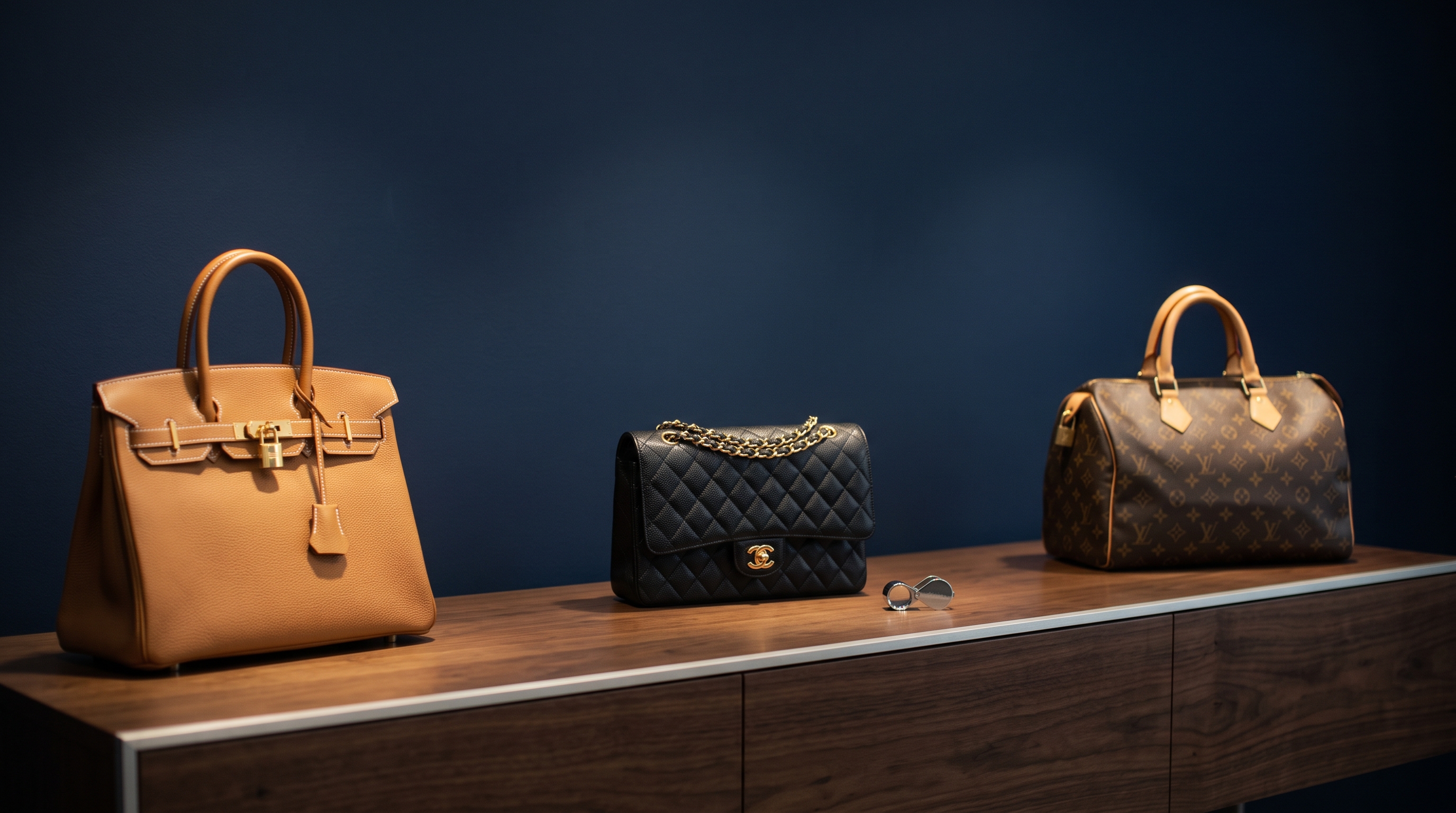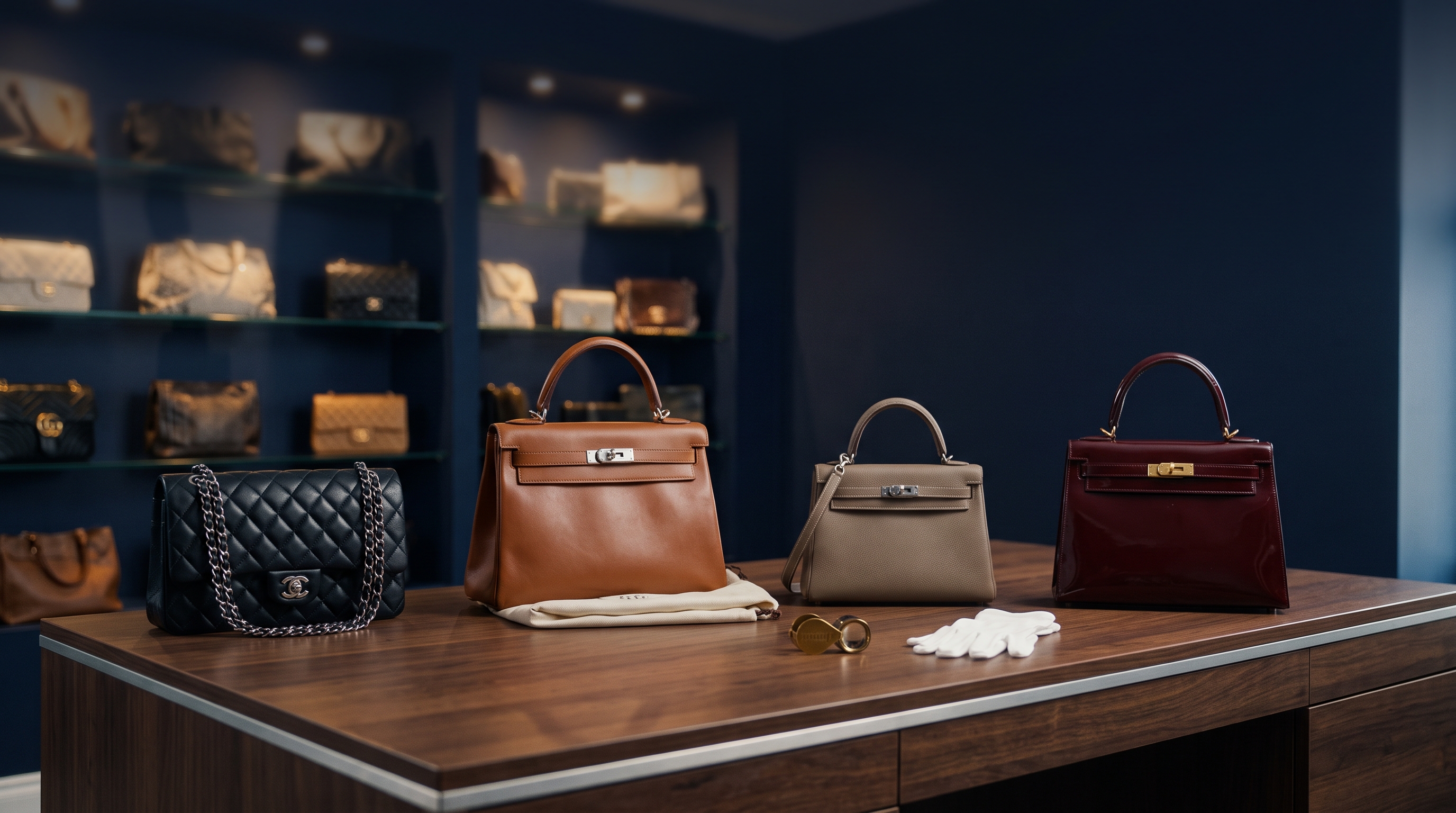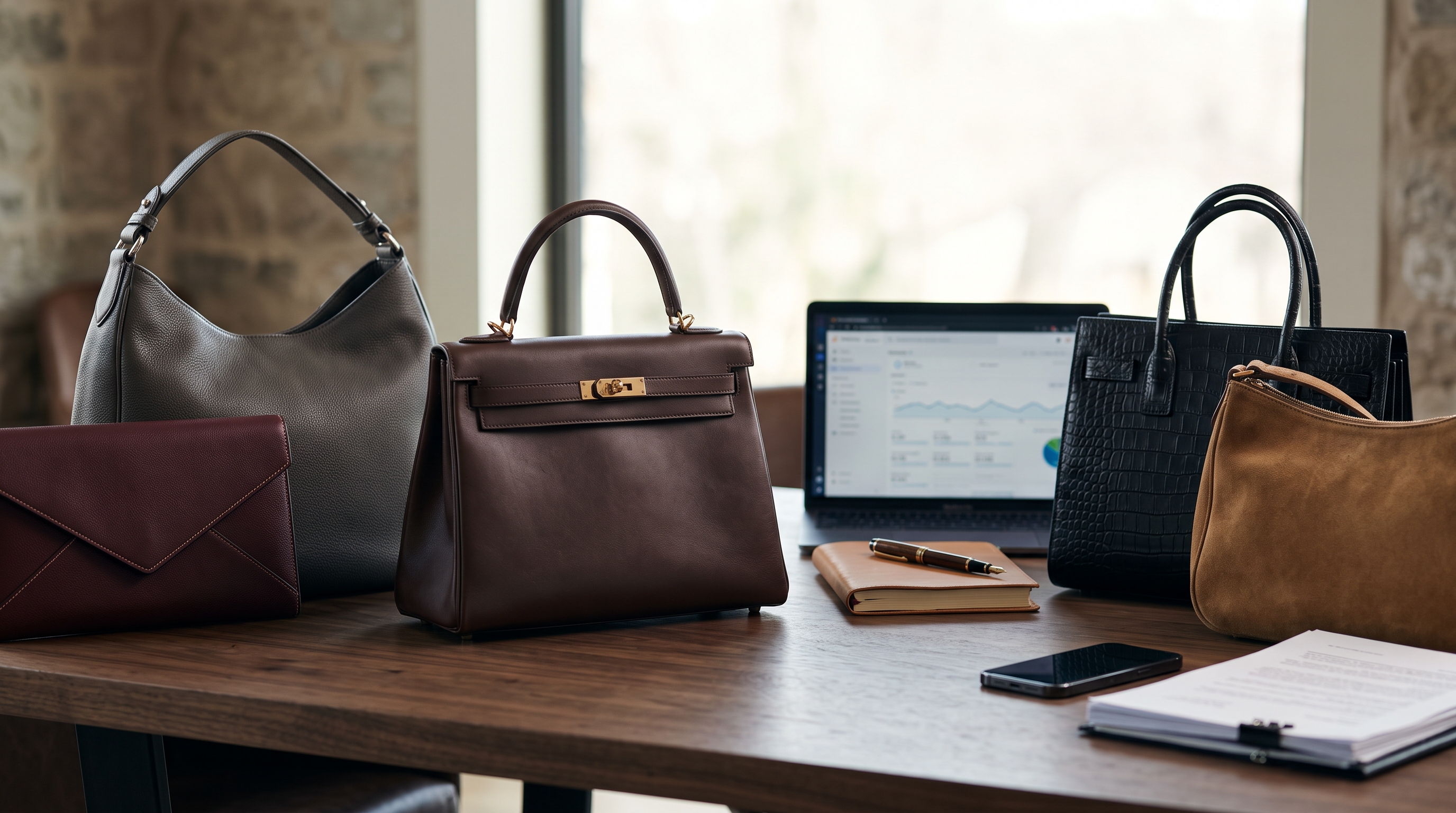
The luxury handbag resale business has grown from a quiet corner of the secondhand trade into a competitive market. In this market, reputation is the most valuable piece of inventory. Pre-owned luxury bags from the most respected fashion houses change hands every day between private collectors, boutiques, online platforms, and specialist resellers. Buyers now arrive better informed than at any earlier point in the category's history. Building a stronger market position is no longer about having the most stock. It is about being the business clients trust first.
That shift creates both pressure and opportunity for resale professionals. Counterfeits have become more convincing, pricing information is public within seconds, and clients compare offers across several sellers before committing. The businesses that thrive treat authentication, pricing, sourcing, and communication as one connected system rather than separate tasks.

The New Luxury Bag Buyer Expects Proof, Not Promises
Ten years ago, a confident sales pitch and an attractive display could close many transactions. Today's buyer of a pre-owned designer handbag wants evidence. They ask about provenance and request detailed photographs of stitching, hardware, and interior stamps. They also expect a clear explanation of condition before they discuss price.
A reseller's market position is decided here. A business that answers these questions openly, documents every item consistently, and explains its reasoning in plain language shows it has nothing to hide. That transparency does more than close a single sale. It creates repeat clients who return because they know exactly what to expect.
"In luxury resale, trust is not a slogan, it is the product," said Avi-Meir Zaslavsky, founder of 999Precious. "A client can find a bag anywhere. What they are really buying from you is certainty, and certainty only comes from a process you can explain and stand behind every single time."
Authentication as a Competitive Advantage
Authentication used to be treated as an internal checkpoint. Leading resellers now present it as a core part of their brand. Clients want to know how an item was verified, who verified it, and what standards were applied.
A strong authentication process usually combines several layers:
- close inspection of materials, stitching, heat stamps, hardware engravings, and construction details
- comparison against verified reference examples
- review of any accompanying receipts, dust bags, or boxes
- independent third-party verification, where appropriate
Resale professionals also need to keep up as the fashion houses change their own practices. In recent years, some major brands have replaced printed date codes and serial stickers with embedded microchips, which changes how certain pieces must be checked.
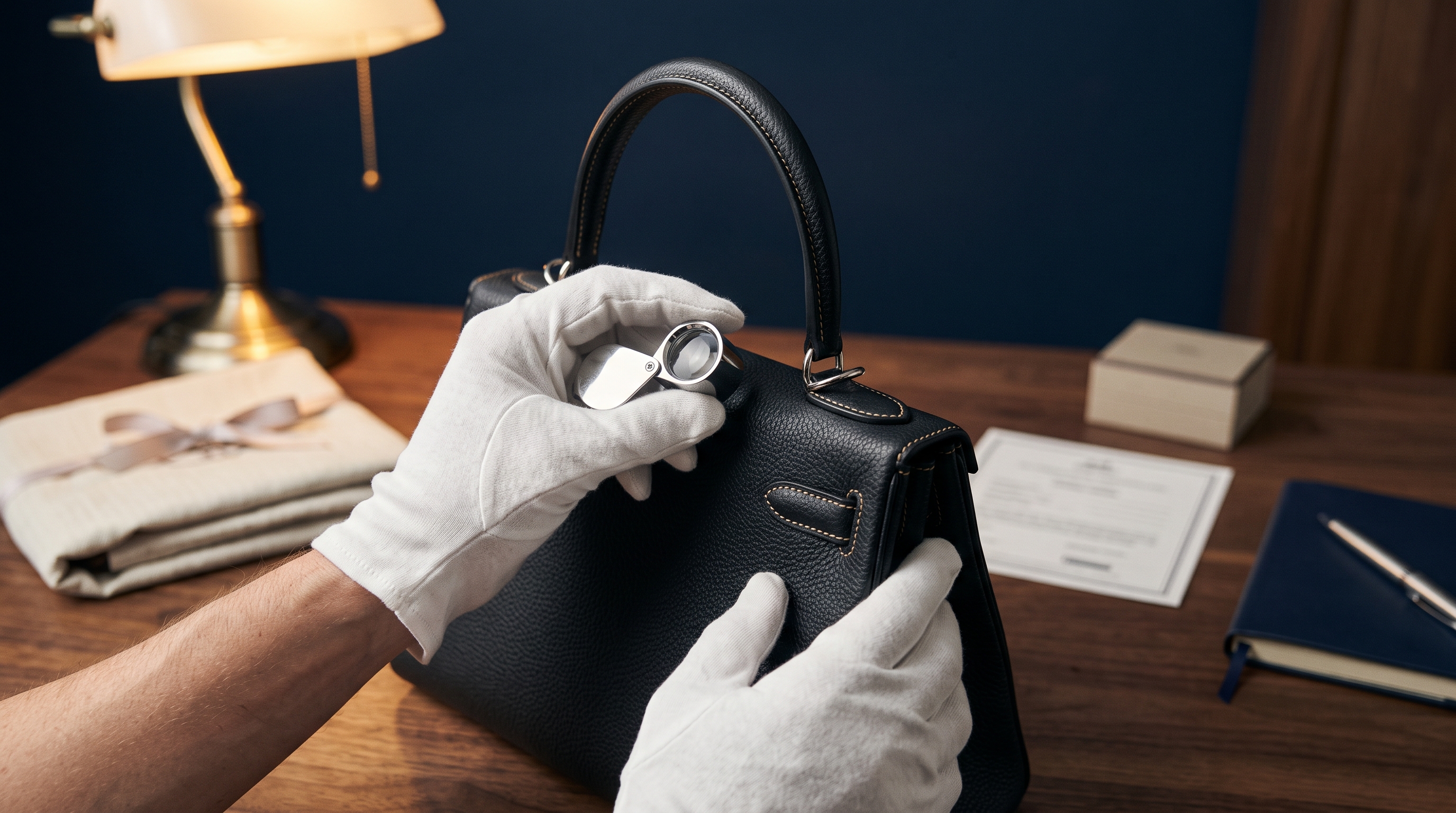
Businesses that build this knowledge and communicate it clearly are seen as authorities rather than simple sellers. Every authenticated bag becomes a small proof of expertise. Over time, those proofs add up to a reputation that competitors find hard to match.
Pricing Discipline Builds Credibility
Resale values are tracked, discussed, and shared constantly, so pricing is one of the most visible signals of professionalism. Overpricing drives informed buyers away. Underpricing can raise suspicion about authenticity or condition.
Strong resale businesses base their pricing on a clear, repeatable method. They grade condition with consistent terminology. They account for rarity, colorway, leather type, hardware finish, size, and completeness of accessories. They also keep their own records of what similar pieces actually sold for, not just what they were listed at. Demand shifts as well: a style that dominated last season may cool, while an overlooked classic can suddenly return to favor.
"The best people in this business don't guess, and they don't chase hype," Avi-Meir Zaslavsky noted. "They know their numbers, they know their condition grades, and they can tell a client exactly why a bag is priced the way it is. When your pricing makes sense, clients start to respect your judgment, and that respect is what brings them back."
Sourcing and Relationships Define Long-Term Strength
Inventory is the lifeblood of any luxury handbag resale business, and the most dependable inventory rarely comes from anonymous sources. Established resellers build networks of private consignors, collectors, and trade partners who come back because they were treated fairly.
These relationships rest on fair offers, fast and clear communication, and discretion. Many consignors are parting with pieces that carry personal meaning. A business that handles those moments with respect earns loyalty that no marketing budget can buy. Strong sourcing relationships also give resellers earlier access to desirable pieces, which strengthens their position with buyers searching for something specific.
Training Teams to Speak With Authority
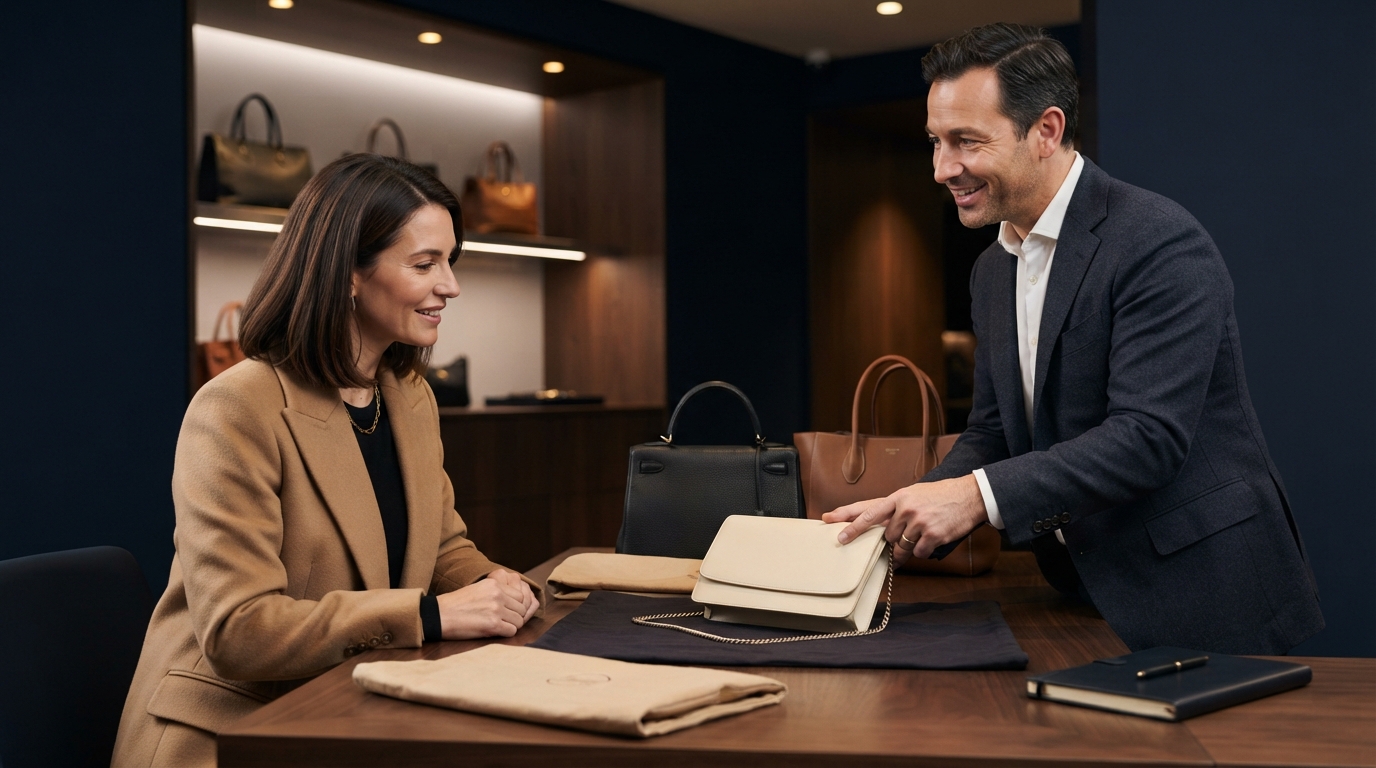
A reseller's market position is only as strong as the people representing it. Every team member who answers a message, handles a consignment, or greets a client shapes how the business is perceived.
Forward-looking resale businesses invest in ongoing staff training. That training covers brand history, construction details, condition grading, and pricing logic. It also covers how to explain all of this to clients without jargon or pressure. A well-trained team can turn a simple inquiry into an educational conversation, and education is one of the most effective sales tools in luxury. Clients who understand why a bag is valuable feel more confident buying it and more comfortable recommending the seller to others.
Visibility, Content, and Media Relevance
Expertise that stays hidden does little for a market position. Leading resellers share their knowledge publicly through informative content. Examples include guides to authentic details, explanations of condition grading, market commentary, and behind-the-scenes looks at how pieces are verified and prepared for sale.
This content does several jobs at once. It improves search visibility for the terms buyers actually use. It makes the business a reference point in its niche. It also makes it easier for journalists and industry publications to cite the business as a credible voice. Consistent expert content turns a reseller from one option among many into a recognized name in the luxury handbag market.
Exclusivity Without Distance
Luxury has always relied on a sense of exclusivity, but the most successful resale businesses balance it with accessibility. Clients want to feel they are working with insiders who can reach rare and desirable pieces. They also want to feel welcome and informed, and never talked down to.
Private viewings, early access for loyal clients, and personalized sourcing requests create an elevated experience. Honest guidance and approachable service keep that experience from feeling closed off. The combination turns first-time buyers into long-term clients.
Conclusion: The Businesses That Earn Trust Will Lead the Luxury Handbag Market
A stronger market position in luxury handbag resale rests on connected disciplines:
- transparent authentication
- consistent, well-reasoned pricing
- respectful sourcing relationships
- a knowledgeable team
- a public voice that shows real expertise
None of these works alone. Together, they create a reputation that clients seek out, consignors return to, and the wider industry recognizes. As the pre-owned luxury market matures, the gap will widen between businesses that simply sell bags and businesses trusted as experts.
"Anyone can list a bag, but not everyone can build a name," Avi-Meir Zaslavsky said. "The resellers who will lead this market are the ones who treat every client, every consignor, and every piece with the same standard. Do that consistently, and your reputation becomes your strongest asset."