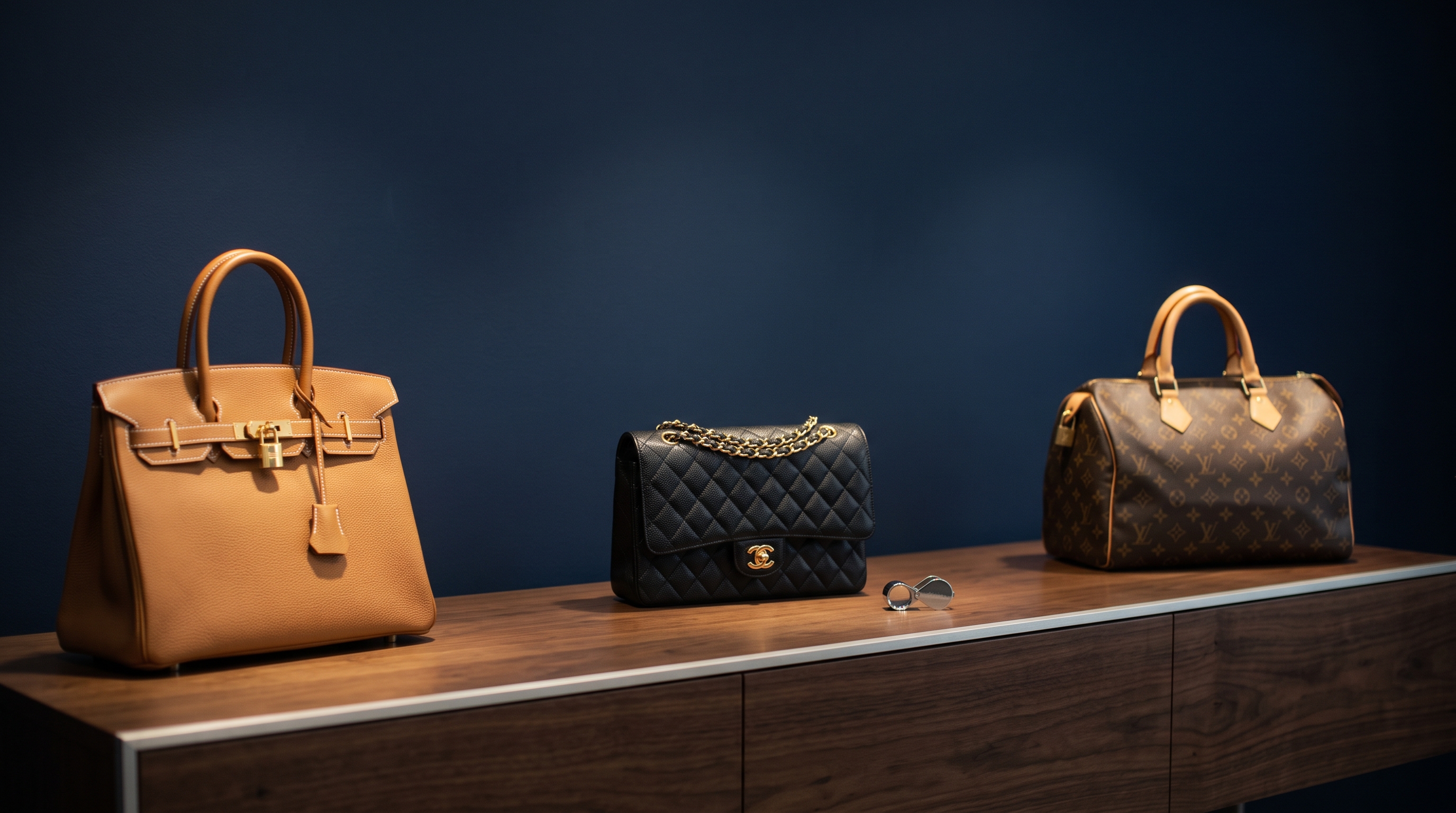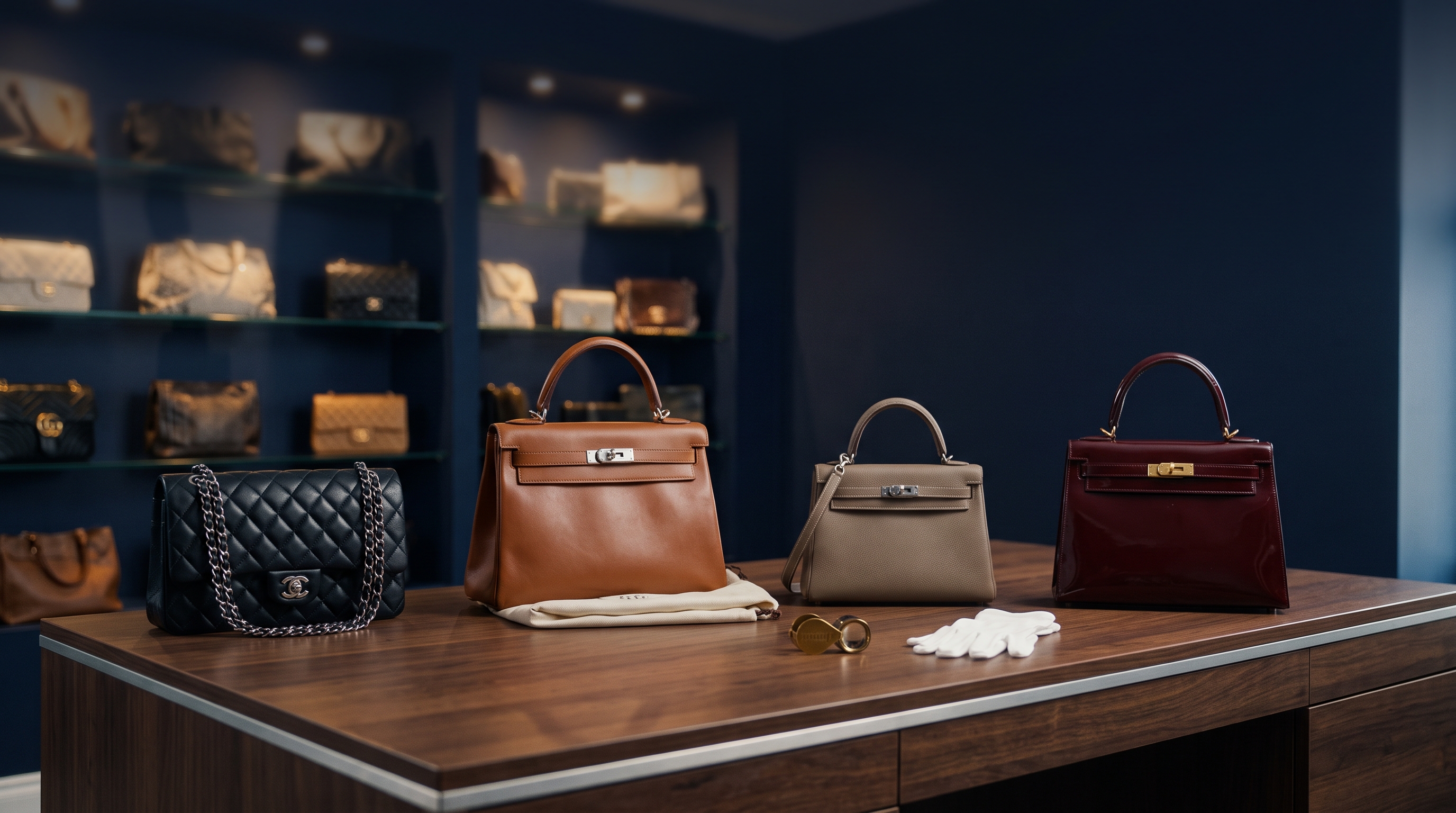
Every dealer who sells pre-owned luxury handbags eventually faces the same temptation. A competitor lists the same Chanel Classic Flap for less, a marketplace algorithm rewards the lowest number, and the quickest fix seems obvious: cut the price. It works once. Then it becomes the strategy, margins shrink, and the business starts to look like everyone else's.
The luxury handbag resale market does not have to work that way. The dealers who protect their margins over time are rarely the cheapest. They are the ones buyers trust most. According to Avi-Meir Zaslavsky, founder of 999Precious, the real competition in pre-owned designer bags is about confidence, not cost.
"A buyer spending thousands on a pre-owned bag is not shopping for the lowest number. They are shopping for certainty," said Avi-Meir Zaslavsky. "The moment you give them certainty, price stops being the first question."
Below is a practical framework for luxury bag dealers who want to grow sales without joining a race to the bottom.
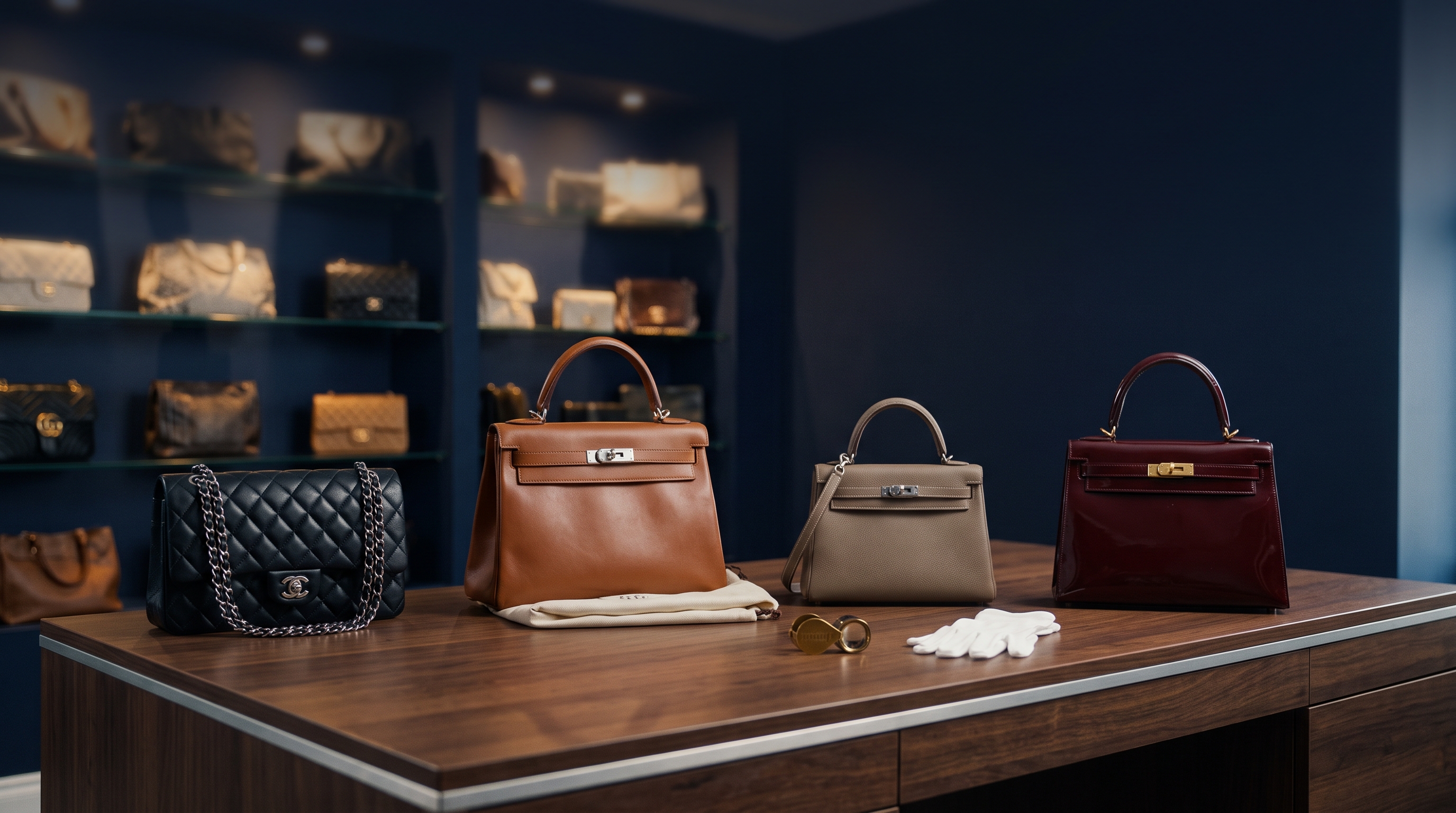
Why Price Wars Hurt Pre-Owned Handbag Dealers
Discounting feels like a sales tool, but in luxury resale it often works against the seller. A low price can signal doubt about authenticity, condition, or how long the bag has been sitting in stock. Experienced buyers notice. A Birkin or a Lady Dior priced far below the market does not look like a bargain to an informed collector. It looks like a warning.
Price competition also trains customers to wait. If a dealer drops prices every few weeks, buyers learn to hold off for the next markdown. Inventory slows down instead of speeding up, and the dealer ends up paying for the customer's patience out of their own margin.
There is a structural problem as well. An independent dealer or a pawn shop with a carefully sourced handbag counter cannot outlast high-volume sellers on price alone. Competing on the one variable where scale always wins is a losing position. Expertise, trust and service are where smaller dealers can genuinely lead.
Authentication Is the New Price Tag
In the pre-owned designer bag market, authentication is the strongest value argument a seller has. Counterfeits have become more sophisticated, and buyers know it. That fear is exactly what a trustworthy dealer can turn into a reason to pay full price.
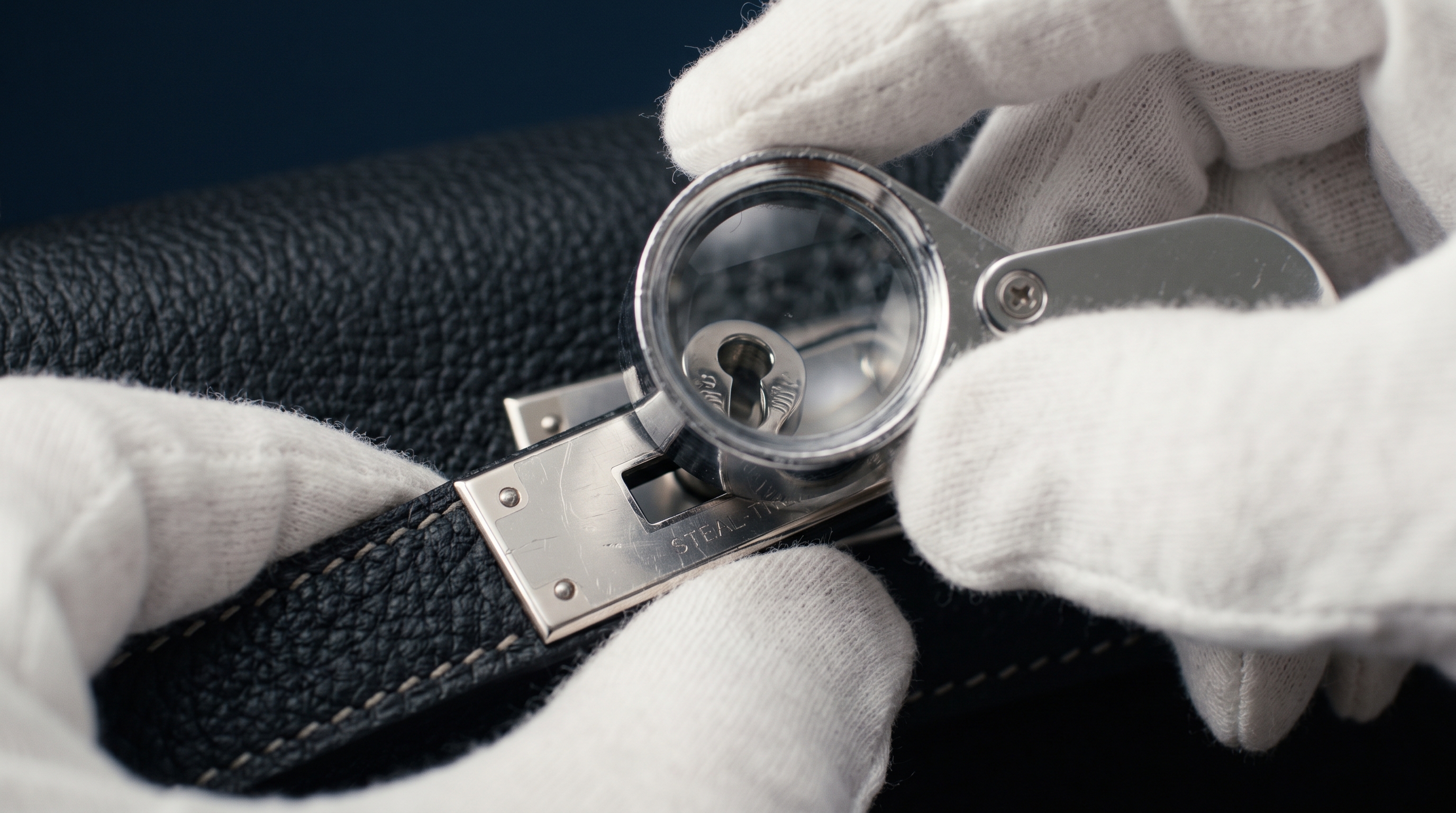
Handbag authentication should never be a hidden back-office step. It should be part of the sales conversation. Dealers can explain how each bag was verified: stitching, hardware engravings, heat stamps, interior tags and the way each house identifies its products. Louis Vuitton and Chanel, for example, have both moved from printed date codes and serial stickers toward embedded microchips in recent years, which changes what buyers should expect to find and what authenticators need to check. A dealer who can explain that clearly sounds like an insider, not a reseller.
Pairing in-house expertise with a recognized third-party authentication service adds another layer of confidence. A written authenticity guarantee, a clear return policy for any bag found to be inauthentic, and documentation that travels with the bag all move the conversation away from price.
Condition Grading Buyers Can Trust
Vague descriptions cost dealers money. "Excellent condition" means something different to every seller, and buyers have learned to discount any listing that relies on it.
A consistent, transparent grading system changes that. Define each grade clearly, from unworn to visibly used, and apply it the same way every time. Photograph the corners, handles, edge glazing, hardware, interior lining and any marks in natural light, without filters. Disclose flaws before the buyer finds them.
This kind of transparency may feel risky, but it works the other way. When a dealer points out a scuffed corner upfront, the buyer believes everything else in the listing, and that belief is what supports a stronger price.
"Honesty is not a weakness in this business. It is the product," said Avi-Meir Zaslavsky. "Show a buyer the one flaw yourself, and they will trust you with the next ten purchases."
Curate Like an Insider, Not a Warehouse
The most respected luxury bag dealers act less like stores and more like editors. Instead of stocking everything, they build inventory with a point of view: discontinued colorways, sought-after leathers, limited runs, vintage pieces with real collector interest, and well-kept classics that stay in demand year after year.
Curation creates exclusivity. When buyers know a dealer carries only carefully selected pieces, the selection itself becomes a quality signal. A bag chosen by an expert is worth more to the buyer than an identical bag lost among thousands of listings.
Curation also strengthens a dealer's position when retail prices climb. Major fashion houses have raised boutique prices repeatedly in recent years, and certain models remain difficult to buy directly. A dealer who understands which pieces hold their value, and why, can present a pre-owned bag as an informed purchase rather than a discount alternative.
Tell the Story Behind Every Bag
Luxury has always been sold through story, and a pre-owned bag has one more chapter than a new one. Where it is known and verifiable, share the bag's background: the season it was released, the leather and hardware combination, what makes the model significant in the house's history, and how it was cared for. Original receipts, dust bags and boxes all add weight to that story.
Storytelling should never cross into exaggeration. Every claim should be accurate and checkable. Buyers in this segment research before they purchase, and one inflated claim can undo a reputation built over years.
Train Your Team to Sell Value
Many price wars start at the counter. When staff are not confident explaining what makes a bag valuable, the easiest answer to "Can you do better on price?" becomes yes.
Staff training is one of the most effective investments a dealer can make. Team members should understand the brands, the models, how authentication works, how condition is graded and why prices are set where they are. With that knowledge, they answer objections with information instead of discounts.
"Your staff are either your strongest value argument or your biggest discount machine," said Avi-Meir Zaslavsky. "Teach them to explain the bag, and they will stop apologizing for the price."
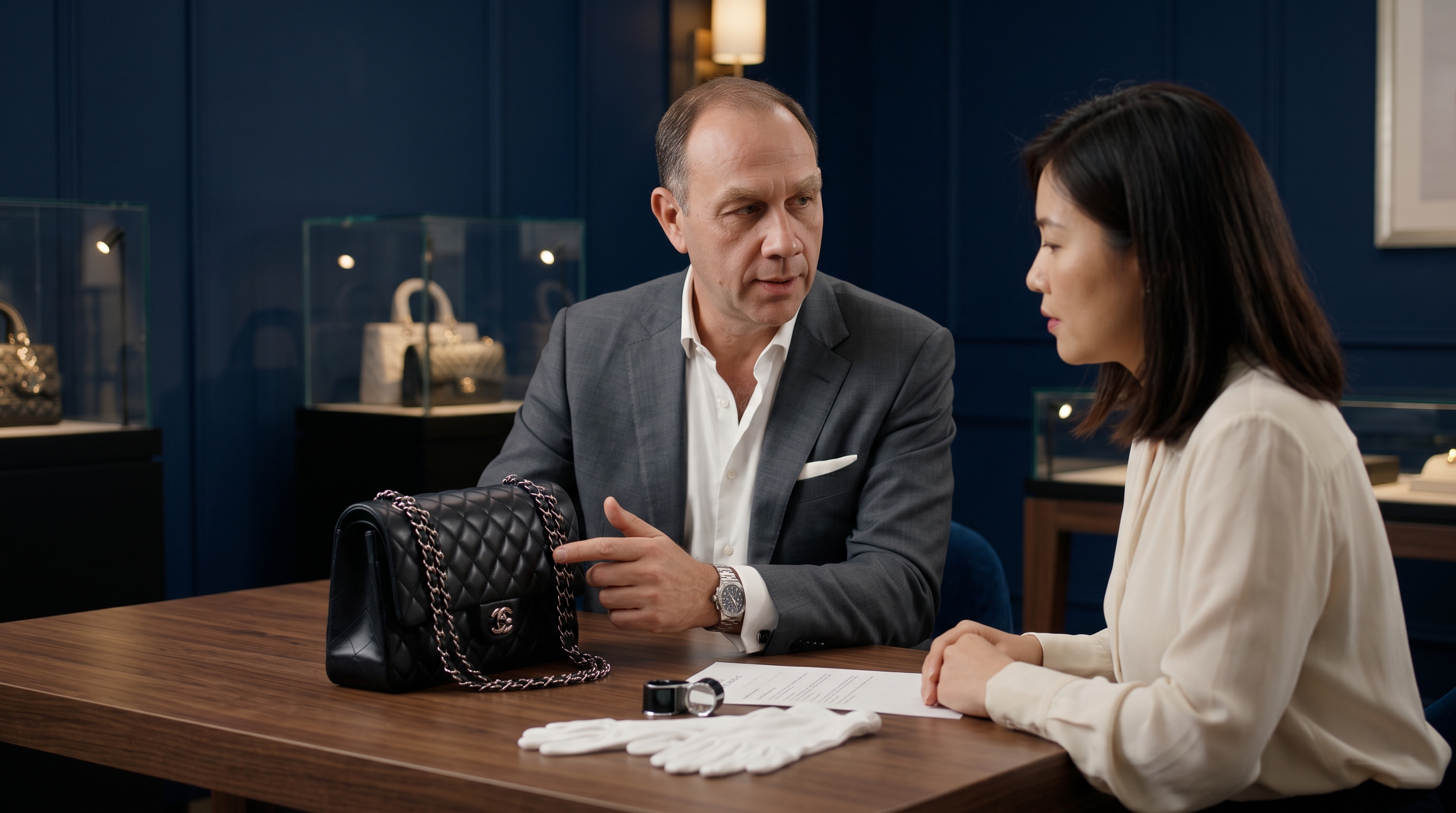
Short weekly product sessions, role-play of common negotiation scenarios and a shared reference library of brand details and authentication markers all help staff turn a price conversation into a value conversation.
Make Expertise Visible
Expertise builds trust only when buyers can see it. Dealers who regularly publish useful content, such as authentication tips, care guides, model histories and market commentary, position themselves as trusted handbag experts rather than anonymous sellers. Media coverage strengthens that credibility further, making the dealer a go-to source for buyers and journalists alike.
Accessibility matters too. Fast responses, plain-language answers and easy access to extra photos or verification details all signal that a dealer has nothing to hide.
Conclusion: Trust Is the Margin That Lasts
Selling pre-owned luxury handbags without racing to the bottom on price comes down to one shift: replacing discounts with confidence. Openly explained authentication, honest condition grading, curated inventory, accurate storytelling, trained staff and visible expertise together give buyers a reason to choose a dealer at full value. Price will always matter, but in luxury resale it rarely decides the sale on its own.
"The cheapest seller wins one sale. The most trusted seller wins the customer," said Avi-Meir Zaslavsky. "In luxury resale, that is the only competition worth entering."