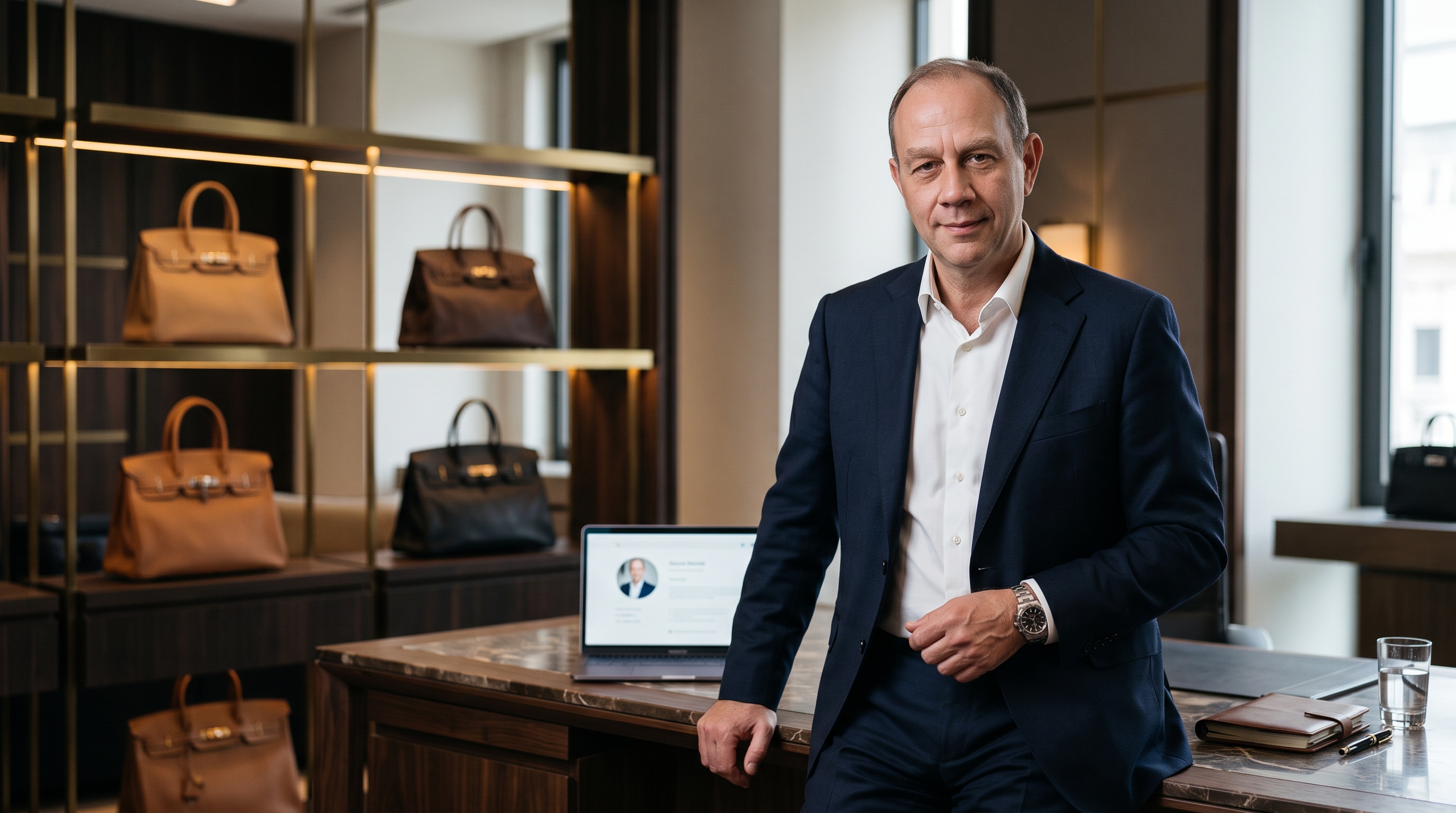
In the pre-owned luxury handbag market, buyers rarely start with the bag. They start with the person selling it. Before a buyer transfers money for a rare leather piece or a limited-edition classic, they search the dealer's name, scroll through past posts and look for proof that this person knows what they are talking about. For a luxury bag dealer, personal reputation online has become the first point of sale.
This shift creates an opportunity. Dealers who build a clear, credible and consistent presence can compete on trust rather than on price alone.
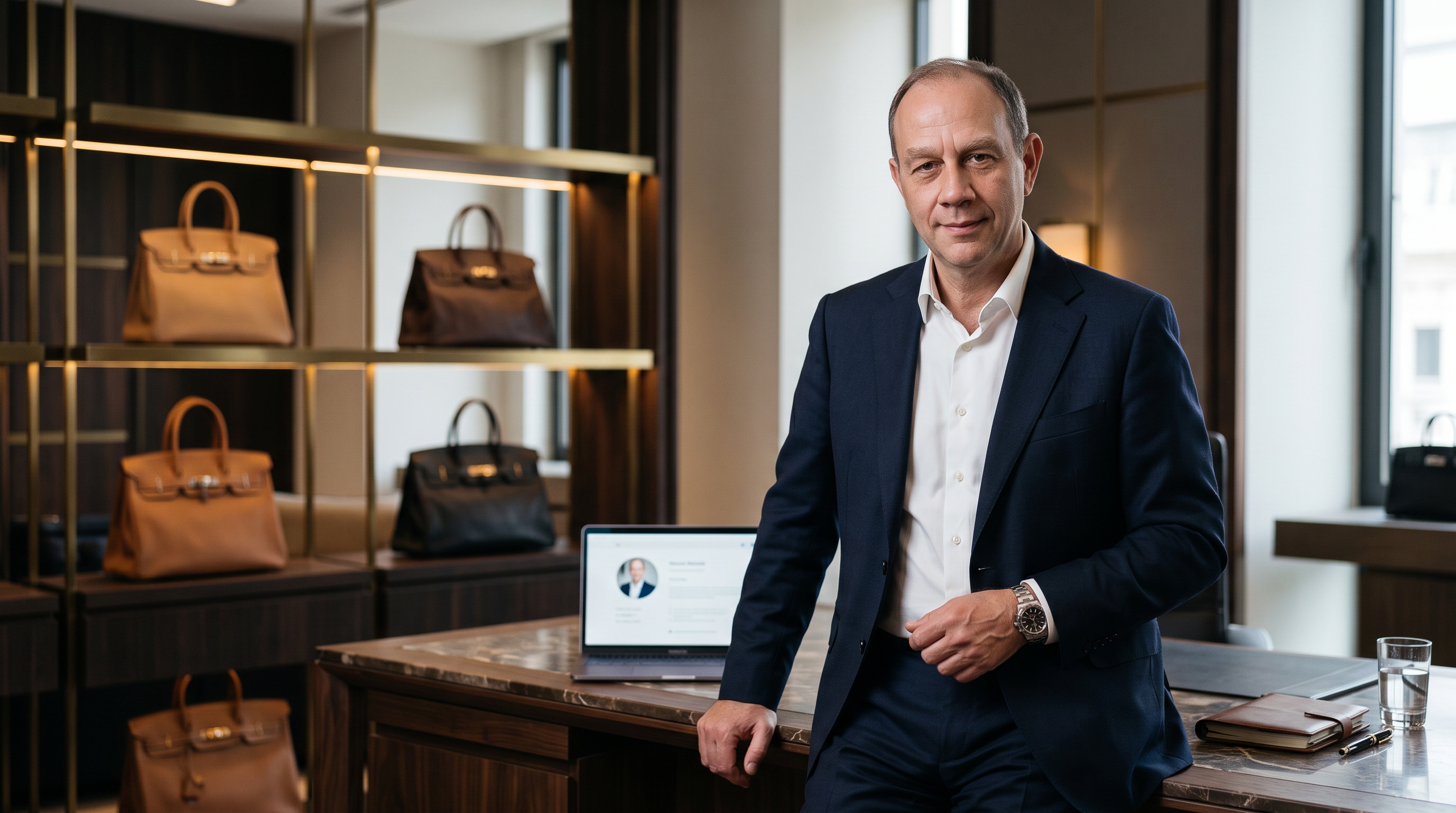
Why the Dealer's Name Now Matters as Much as the Inventory
Luxury handbags are high-value, emotionally charged purchases, and the market has a long history of counterfeits and misrepresented condition. A buyer's biggest fear is not paying too much. It is being deceived. That fear is why a recognizable, trusted bag expert can close deals that an anonymous listing never will.
"In this business, people don't buy a bag from a stranger. They buy it from someone they believe," said Avi-Meir Zaslavsky, founder of 999Precious. "Your inventory can be copied by anyone. Your name, your track record and the way you explain things can't. That is the real asset a dealer builds."
Start With a Clear Expert Position
A strong personal brand begins with focus. "I sell luxury bags" is not a position. "I specialize in vintage leather classics and full condition grading" is. Dealers should define the area where they know more than most: a specific house, an era, exotic leathers, restoration, or sourcing rare colorways.
That focus should appear everywhere, in the profile bio, the website headline, the first lines of every listing and the topics the dealer talks about publicly. When buyers and peers can describe what a dealer is known for in one sentence, the positioning is working.
Make Authentication Knowledge Visible
Expertise that stays hidden builds no reputation. Dealers can show their knowledge without revealing trade secrets by walking audiences through the general logic of authentication: how stitching quality, hardware weight and engraving, heat stamps, date codes, serial stickers or, on newer pieces, embedded microchips fit into an overall assessment.
Short educational videos, carousel breakdowns and "what I check first" posts perform well because they answer the question every buyer has: can this person tell real from fake? Each piece of content becomes a small piece of evidence. Over time, that evidence turns into authority.
Dealers who work with independent authentication services should say so openly. A third-party check does not weaken personal expertise. It reinforces it.
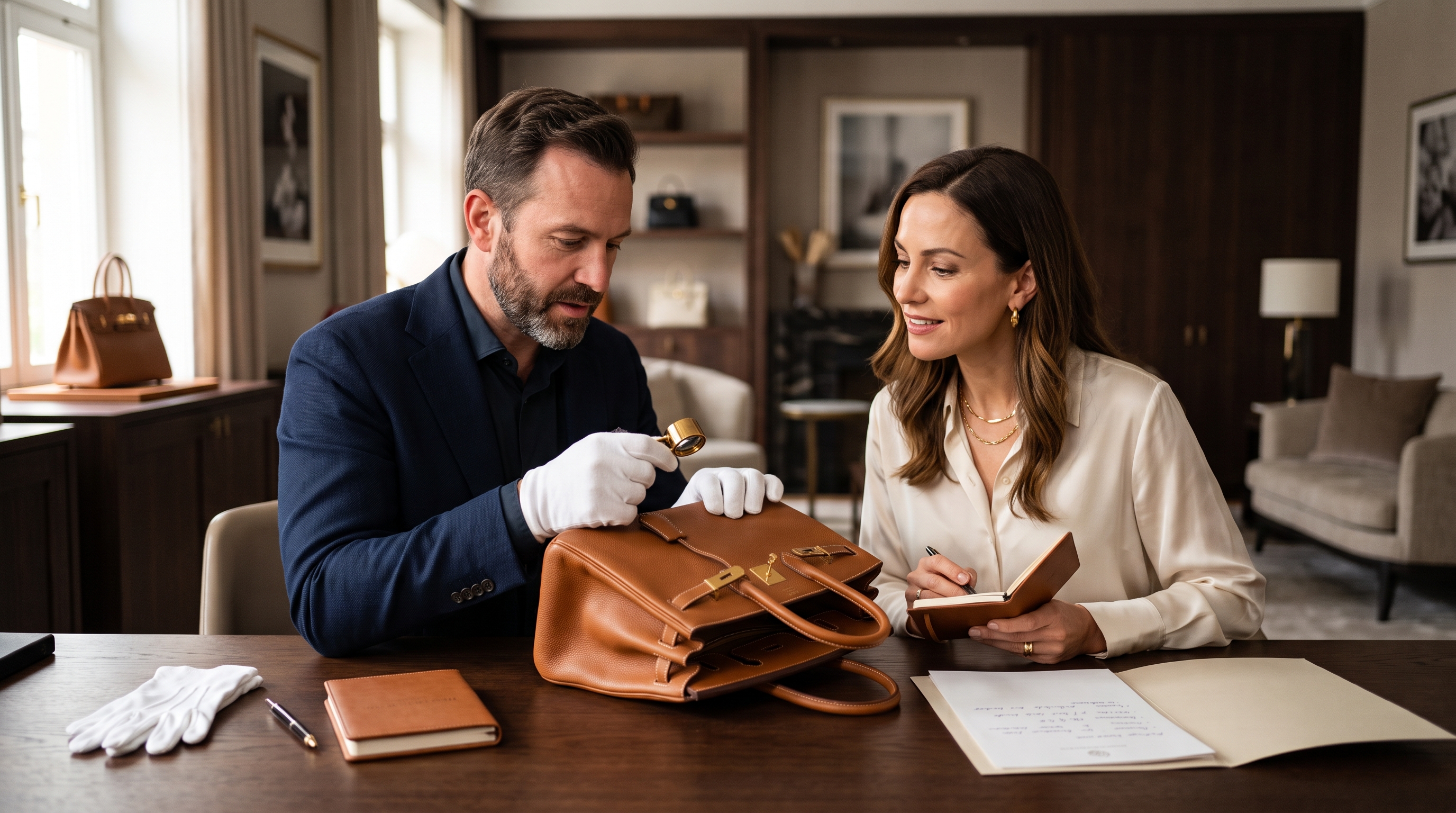
Transparency as a Competitive Advantage
Trust grows fastest where buyers expect it least. Clear condition reports, honest photos of corner wear and interior marks, explained pricing and a simple return or dispute policy set a dealer apart immediately.
"The dealers who last are the ones who show the scratch before the client finds it," Avi-Meir Zaslavsky said. "Being honest about a flaw costs you a little on one sale. Hiding it can cost you your whole reputation. Transparency is not a weakness in luxury. It's what makes the price believable."
Transparency also covers sourcing. Where appropriate and without breaching client privacy, sharing how a piece was acquired, whether it comes with original receipts, dust bags or boxes, and what its service history looks like adds weight to both the bag and the seller.
Stay Consistent Across Every Platform
A buyer may discover a dealer on a social feed, verify them on a professional network, and finally purchase through a website or marketplace. If the name, photo, tone and story change from one platform to the next, doubt appears.
Consistency means the same professional name, the same recognizable portrait, the same specialization statement and the same standards of photography everywhere. It also means posting regularly. An account that went quiet months ago raises the question of whether the business still exists.
Earn Media Relevance
The step that moves a dealer from "trusted seller" to "luxury market insider" is being quoted. Journalists, podcasters and industry newsletters need voices who can explain resale trends, pricing shifts, buyer demand and counterfeit risks in plain language.
Dealers can prepare for this by publishing clear, opinionated commentary on market movements, issuing press releases around meaningful milestones and making themselves easy to reach. A dedicated media page with a short bio, headshots and past commentary helps editors say yes quickly.
"Media relevance comes from being useful, not loud," Avi-Meir Zaslavsky said. "If you can explain in two sentences why a certain bag is holding its value or why buyers should be careful right now, journalists will come back to you. Every quote is another reason for a client to trust your name."
Balance Accessibility With Exclusivity
Luxury buyers want a dealer who is approachable but not ordinary. The most effective personal brands answer questions openly in comments, share knowledge generously and respond to messages quickly, while keeping the best experiences reserved: private previews for loyal clients, early access to rare pieces and personal sourcing requests.
This balance signals two things at once. Anyone can learn from the dealer, but the most valuable opportunities go to those inside the relationship. That combination drives both audience growth and client retention.
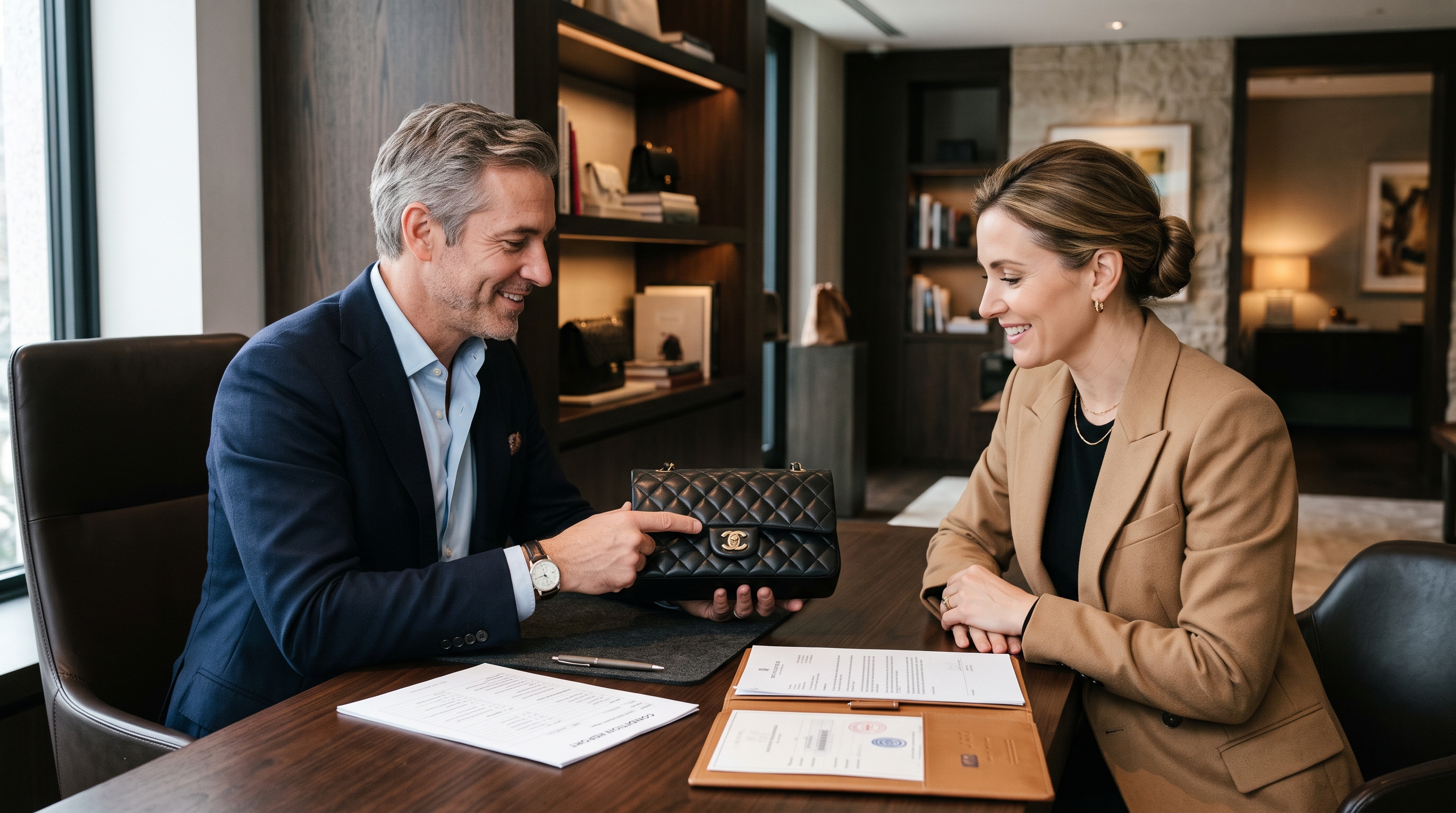
Protect the Reputation You Build
A reputation built over years can be damaged in a single afternoon. Dealers should monitor mentions of their name, respond to complaints calmly and publicly where appropriate, and move detailed disputes to private channels. Acknowledging a mistake and fixing it often earns more trust than a flawless record ever could.
Clear written policies, documented communication with buyers and careful record-keeping on every high-value transaction protect both the client and the dealer if questions arise later.
Conclusion: Reputation Is the Asset That Appreciates
For today's luxury bag dealer, a personal reputation online is no longer optional marketing. It is the foundation of every sale. A clear expert position, visible authentication knowledge, honest condition reporting, verifiable social proof, consistent presence across platforms and genuine media relevance work together to turn a dealer's name into a mark of trust. Handbags come and go through a dealer's hands. The reputation stays and grows with every transaction handled well.
"A great bag can make you money once," Avi-Meir Zaslavsky said. "A great reputation makes you money every time someone types your name into a search bar. Build it slowly, protect it carefully, and it will become the most valuable piece in your collection."