The luxury handbag business attracts people with a rare combination of skills. They have a trained eye for leather, hardware and stitching. They understand which models hold value and which fade. They know how to talk to collectors who care as much about provenance as they do about price. These same strengths often become the reason a dealer stops growing.
In many handbag resale businesses, the owner authenticates every piece, prices every listing, answers every client message, negotiates every purchase and photographs every bag. Early on, this hands-on approach builds a strong reputation. Eventually it creates a ceiling. The business can only grow as fast as one person can work.
Scaling a luxury handbag business does not mean giving up quality or personal service. It means turning expertise into repeatable systems, building a team that protects your standards, and choosing partners who increase your reach without weakening your reputation.
The Owner Bottleneck in Luxury Bag Resale
Most growing dealers notice the same warning signs. Inventory sits unlisted because only the owner can approve it. Buying opportunities are missed while the owner is busy with clients. Response times slow down, and buyers move on to faster sellers. The owner works longer hours, and revenue stays flat.
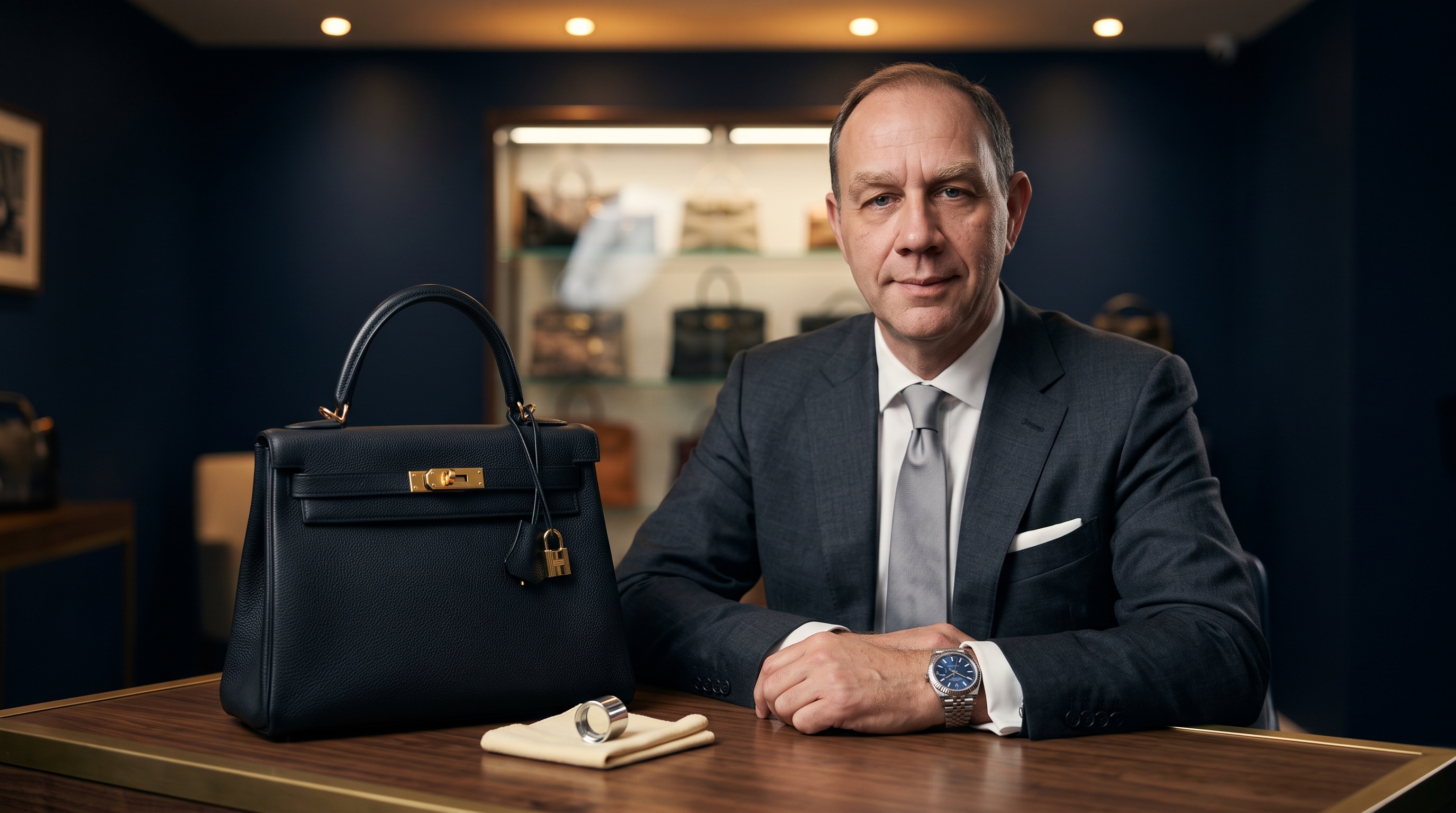
"The dealers who stop growing are rarely short on knowledge. They are short on structure," says Avi-Meir Zaslavsky, founder of 999Precious. "When every decision lives in one person's head, the business can't move faster than that person. The goal is to keep your expertise at the center while building a structure that can carry it."
The first step is to admit that "I do everything" is not a quality standard. It is a capacity limit.
Turn Your Expertise Into Written Standards
A luxury bag dealer's knowledge is the most valuable asset in the business, and it is usually the least documented. Scaling starts with writing it down.
Begin with your authentication process. List the checkpoints you use for each major house and popular model: stitching patterns, heat stamps, date codes or serial details, hardware engravings, zipper brands, interior construction and materials. Add reference photos of authentic and questionable examples. A checklist will not replace years of experience. It does give a trained team member a consistent framework and shows you exactly where a second opinion is needed.
Do the same for condition grading. Define what "pristine," "excellent," "very good" and "fair" mean in your business, with examples of corner wear, handle darkening, scratches on hardware and interior marks. Consistent grading reduces disputes, builds buyer trust and makes your listings easier to compare.
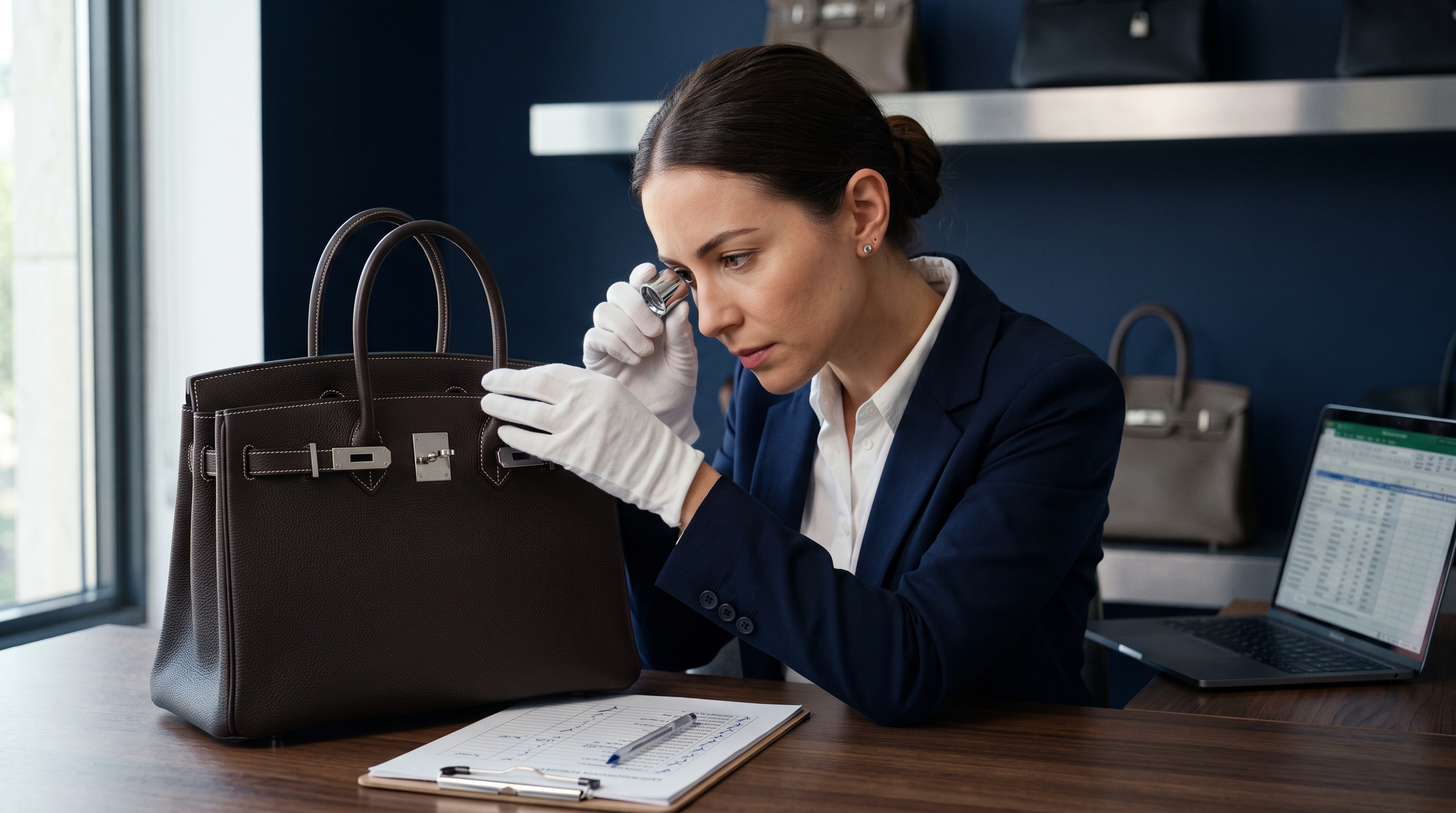
Finally, document your pricing logic. Note which factors move value up or down: model, size, color, leather type, hardware finish, year, completeness of set, and current demand. When pricing follows clear rules, more people can handle it without lowering margins.
Delegate the Right Tasks First
Not every task needs the owner. The fastest way to free up time is to sort daily work into three groups.
Tasks only you should do (for now): final authentication of high-value pieces, major purchase negotiations, relationships with top clients and key suppliers.
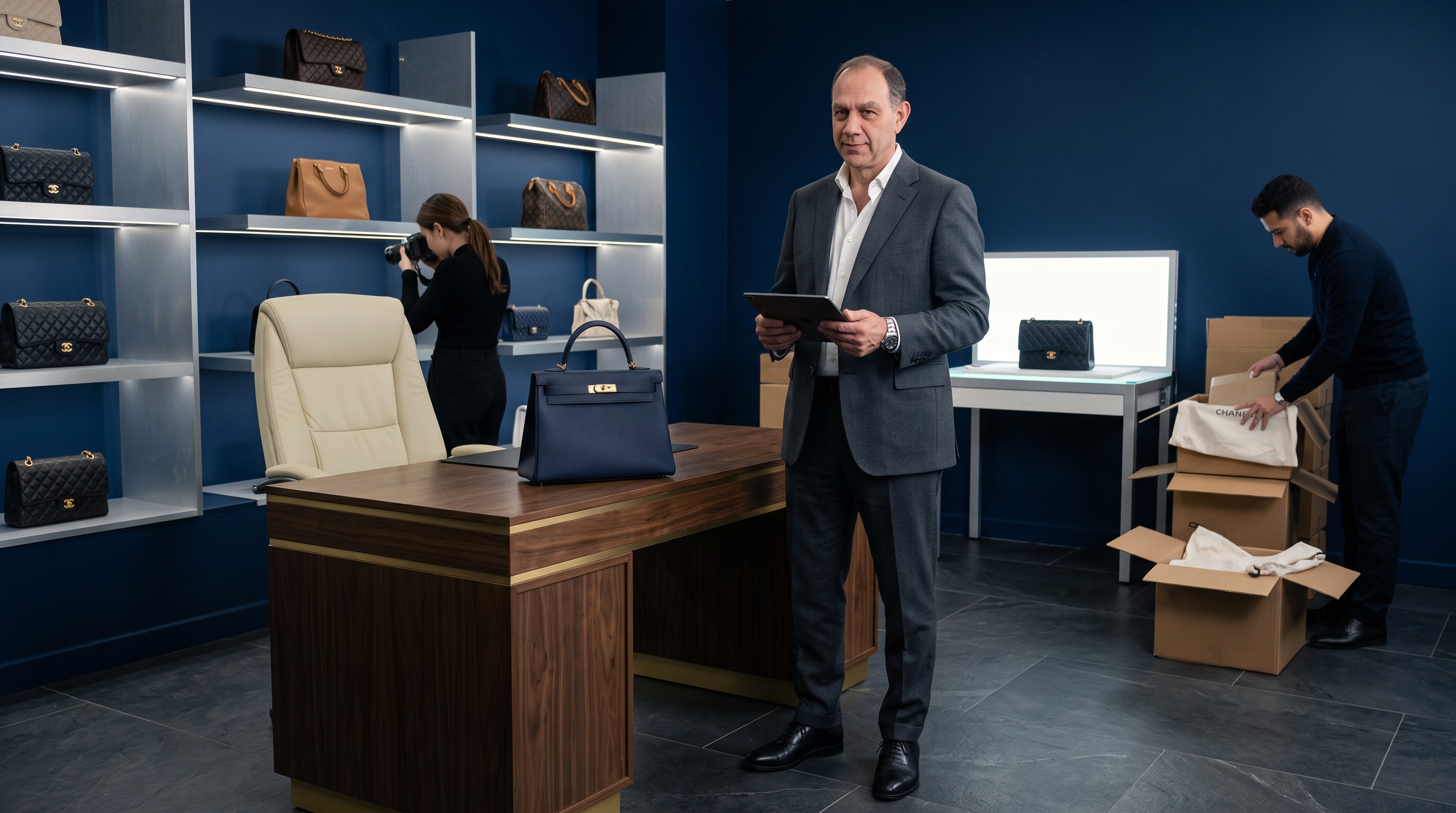
Tasks you can train others to do: initial inspection, condition grading against your standards, product photography, listing descriptions, shipping and packaging.
Tasks you can systematize or outsource: bookkeeping, inventory tracking, appointment scheduling, basic customer questions, social media scheduling.
"Delegation in this industry is not about handing off responsibility. It's about handing off repetition," Avi-Meir Zaslavsky explains. "Your clients trust your judgment. Protect that judgment for the decisions that matter, and let a well-trained team handle the work that follows a clear process."
Start with one role. Many dealers find that a skilled operations or listing assistant creates the biggest immediate gain. Once photography, descriptions and shipping run without the owner, more time becomes available for sourcing and client relationships, which are the activities that actually drive growth.
Build a Reliable Sourcing Pipeline
Growth in the pre-owned designer bag market depends on a steady supply of quality inventory. Dealers who rely only on walk-in sellers or occasional private purchases often see unpredictable months.
A scalable sourcing pipeline includes several channels working at once: repeat private sellers, consignment clients, estate and collection purchases, and relationships with other dealers and pawn businesses. Track each channel. Record where your best pieces come from, how long they take to sell and what margins they produce. This data shows where to invest your time and where a team member can manage the relationship.
Clear buying criteria also help. When your team knows which models, conditions and price ranges you want, they can screen offers before they reach you. You only review what already fits.
Use Technology to Protect Consistency
Inventory management software, standardized listing templates and organized photo workflows are not glamorous, but they make growth possible. A central inventory system shows what you own, where it is listed, what it cost and how long it has been in stock. Aging inventory becomes visible before it ties up too much capital.
Templates keep every listing on brand. Each one should include model details, measurements, condition grade, included accessories and authentication notes, written in the same professional voice. Buyers notice consistency, and consistency signals reliability.
Choose Partners That Extend Your Reach
No dealer can reach every serious buyer alone. Specialized marketplaces and professional networks give luxury bag dealers access to wider audiences and verified trade connections without building every channel from scratch.
For a growing business, the right platform works as an extension of the team: more visibility, more trade opportunities and a credible environment that reflects the dealer's own standards.
"Trust is the currency of luxury resale," says Avi-Meir Zaslavsky. "Dealers spend years earning it, one client and one bag at a time. As a business grows, the real challenge is to carry that credibility into every new channel instead of starting from zero each time."
When choosing any partner, ask the same questions you would ask about a new employee. Do they protect your reputation? Do they understand the luxury market? Do they make your work easier or add new complications?
Keep the Personal Touch Where It Counts
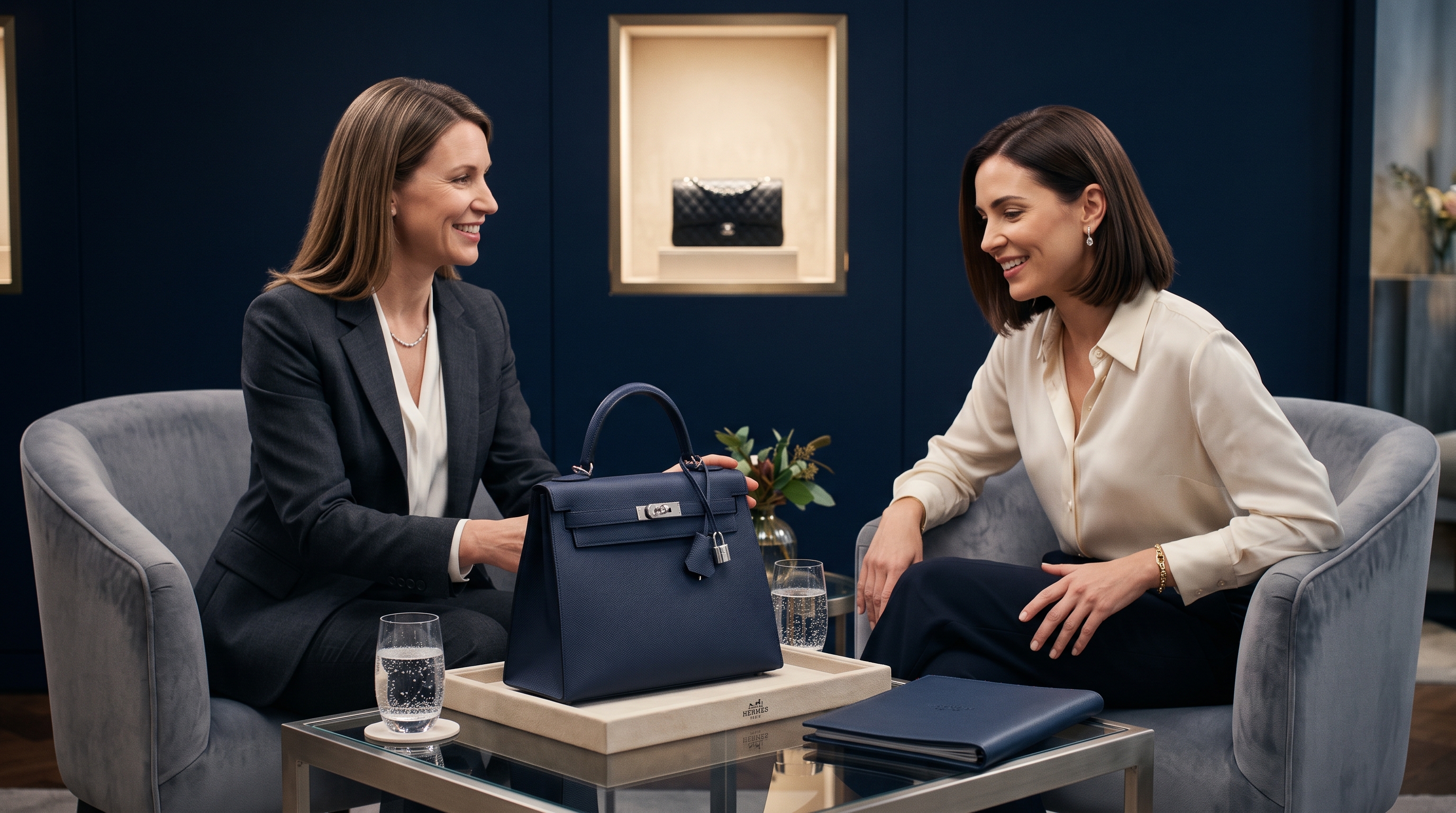
Luxury clients expect a human relationship, and scaling should not remove it. The aim is to put personal attention where it has the most impact. Owners who step back from routine tasks often find they have more time for their best clients, not less. They can offer private previews, early access to rare pieces and personal advice on collections.
"Exclusivity doesn't come from doing everything yourself. It comes from giving your best attention to the moments that deserve it," Avi-Meir Zaslavsky notes. "A dealer with good systems has more time to be the expert clients came for."
Growth Built on Standards, Not Hours
A luxury handbag business that depends on one person's hours will always have a limit. A business built on documented standards, trained people, reliable sourcing and trusted partnerships can keep growing while maintaining the quality that made it successful.
Start small. Write down one process this week. Delegate one repetitive task this month. Review one sourcing channel this quarter. Each step moves the business from owner-dependent to owner-led, and that is where sustainable growth begins.